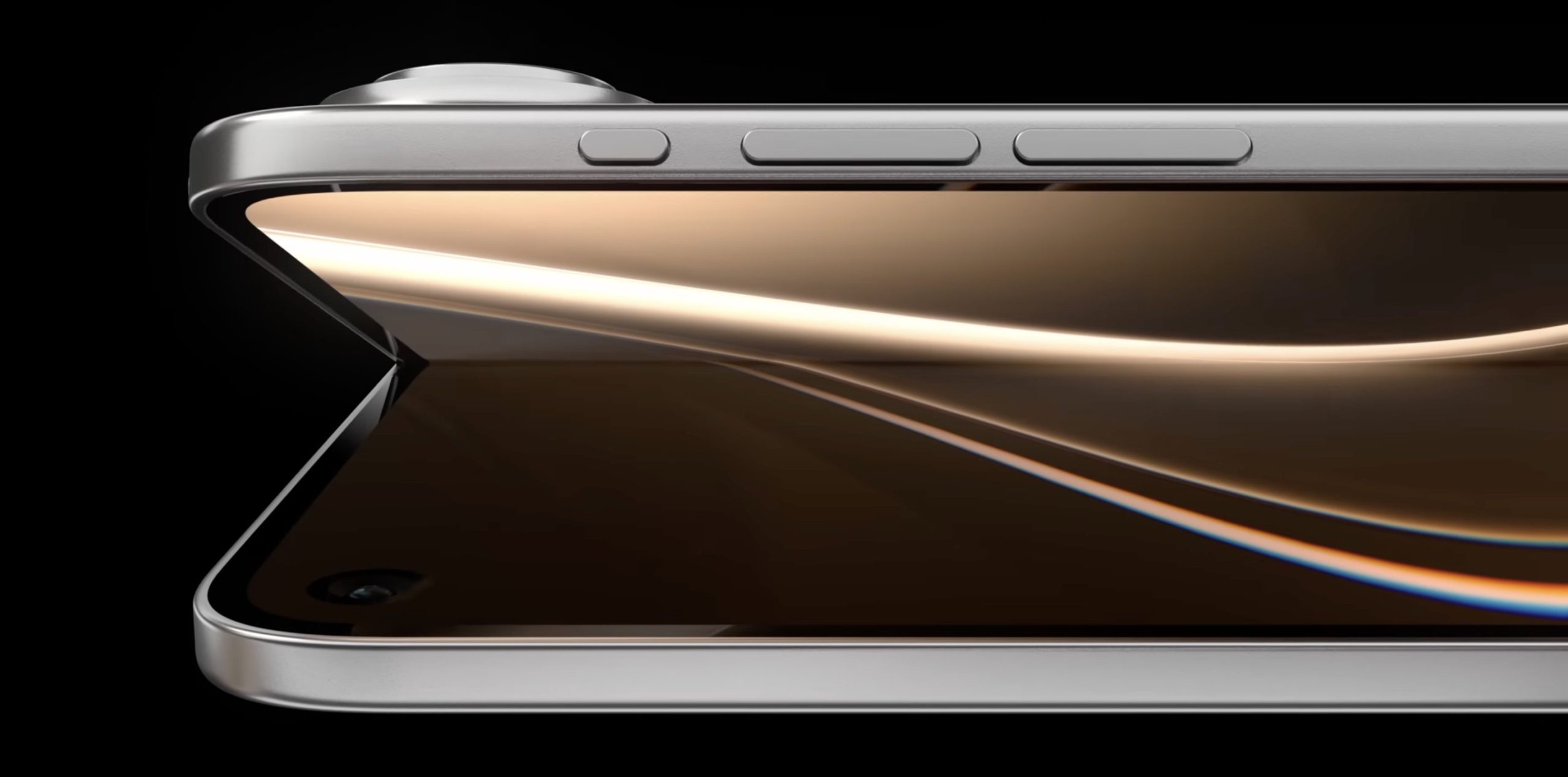
Apple’s first foldable iPhone is shaping up to be a major engineering challenge, and the biggest hurdle may be the part users will interact with the most: the inner foldable display. Reports suggest Apple has been working through technical issues tied to foldable screen durability and the ever-present “crease” that tends to appear where the display bends. While the crease problem was previously believed to be improving, a new detail points to Apple exploring additional layers of protection to make the screen tougher for real-world use.
The latest report says Apple is evaluating Ultra-Thin Glass (UTG) panels in different thicknesses, and it may add a protective film on top of the glass to improve scratch resistance. Specifically, Apple is reportedly considering polyimide (PI) film, a material known for better durability in demanding applications. If Apple goes with a PI layer over UTG, it could deliver a more resilient inner screen than what many current foldable phones offer.
That potential change matters because the biggest day-to-day weakness of foldable phones is often the inner display’s vulnerability. Even with UTG, the foldable screen area can be prone to scratches, dents, and pressure marks from normal handling over time. A tougher top layer could improve long-term usability and help the device age better—especially important for a premium foldable expected to cost significantly more than a standard smartphone.
Samsung’s foldables have used polyethylene terephthalate (PET) film as part of their display protection approach, and Apple is reportedly considering PET as well. PET has a major advantage: it’s cheaper and generally easier to mass produce, which can simplify scaling production for a high-demand device. However, PET is typically not as scratch-resistant as PI, making it less ideal for customers who expect a “buy it once, keep it for years” flagship experience.
According to sources cited in the report, Apple has not finalized its decision yet, but it’s increasingly leaning toward PI film despite the higher manufacturing cost. That higher cost could be easier to justify if Apple positions the iPhone Fold as a top-tier product focused on premium materials, better durability, and longer lifespan.
The report also mentions that Kolon Industries is a potential supplier for the PI solution, as the company has previously developed polyimide-related components for foldable smartphones. Supplier choices like this are often a key step in moving from experimentation to mass production readiness, especially when the part in question directly affects durability and user satisfaction.
Timing is also becoming a factor. The iPhone Fold is rumored to arrive alongside the iPhone 18 Pro lineup, meaning Apple has a narrowing window to lock in its display stack, materials, and manufacturing partners. Foldable displays are among the most complex smartphone components to build at scale, and even small material decisions—like whether to use PI or PET film—can impact yield rates, durability testing, and final device pricing.
Speaking of price, the iPhone Fold is expected to be expensive. One forecast puts the potential starting price around $2,399. At that level, buyers won’t just be paying for a folding design—they’ll be expecting a foldable iPhone that feels premium, holds up to daily wear, and doesn’t become fragile after a year of use. Choosing PI film over PET could be one way Apple tries to deliver that “best possible” durability story.
For now, the iPhone Fold remains in the decision-making phase on this specific display protection layer, but the direction is becoming clearer: Apple appears willing to pay more for stronger materials if it helps deliver better scratch resistance and improved longevity—two areas that matter most to foldable phone buyers.