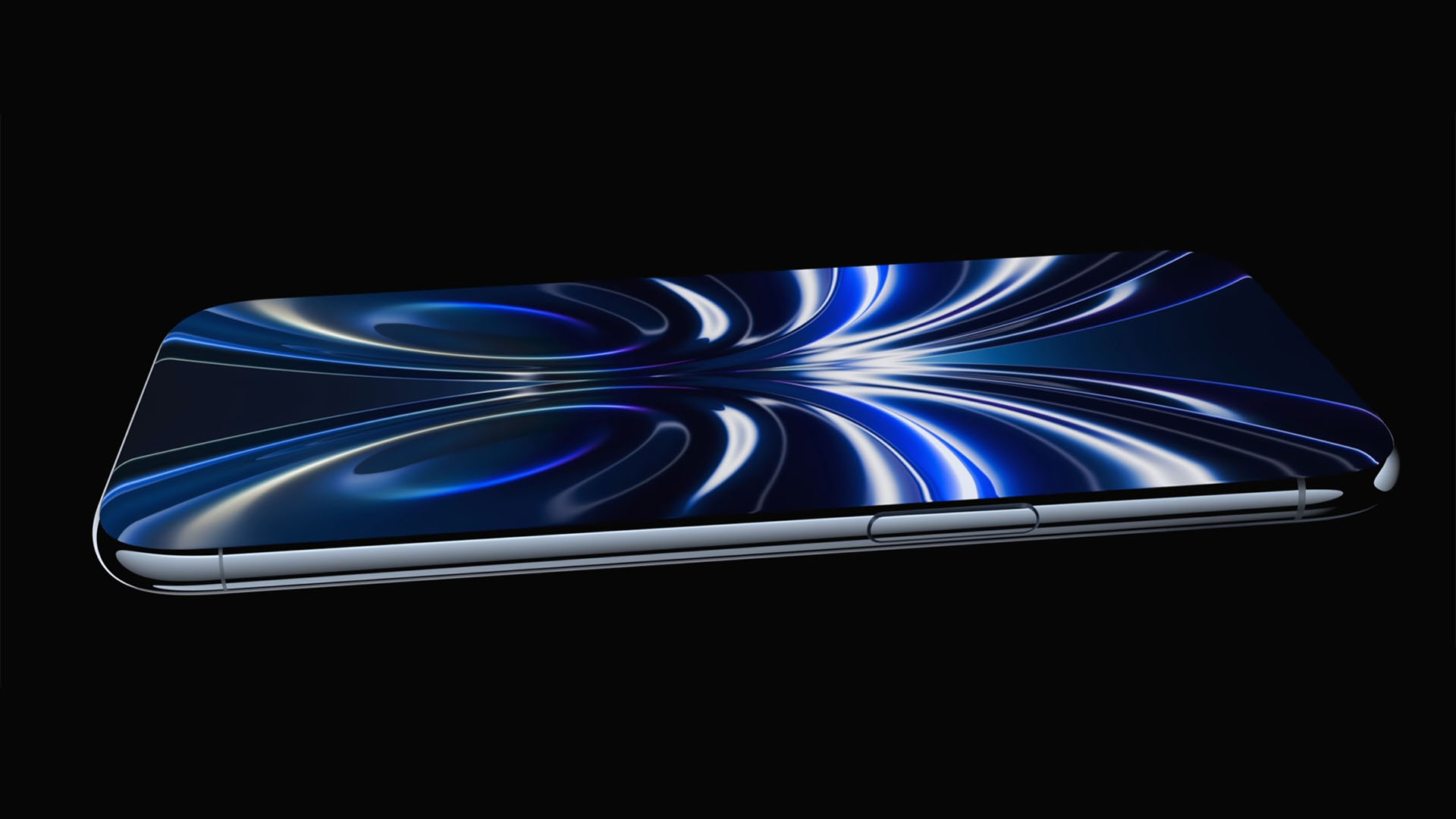
Apple’s 20th-anniversary iPhone is already shaping up to be one of the most talked-about future smartphones, with early rumors pointing to a dramatic redesign. The so-called iPhone 20 is expected to feature a quad-curved display that stretches smoothly toward the edges, giving the device a sleek, almost bezel-free look.
That design could make the iPhone 20 feel more futuristic than anything Apple has released so far. However, it may also raise one major question for buyers: how durable will it be?
According to information shared by Weibo tipster Fixed-focus digital cameras, Apple may continue using aluminum for the iPhone 20 frame instead of switching back to titanium alloy. That could surprise some users, especially since titanium has been associated with premium durability in recent iPhone Pro models.
The reason may come down to performance and heat management. Aluminum is generally better at dissipating heat than titanium, which could become increasingly important as future iPhones become more powerful and more focused on artificial intelligence features. If the iPhone 20 brings a major leap in chipset performance, it may also demand more power and generate more heat. In that case, Apple may prioritize thermal efficiency over the added toughness of titanium.
The report suggests Apple is not expected to move to titanium alloy this early, even though the company has reportedly explored the idea. As smartphones evolve into more advanced AI-powered devices, internal components such as processors, memory, camera systems, and neural engines may require better heat control to maintain peak performance.
That makes aluminum a practical choice, even if it is sometimes criticized for being easier to dent. Still, titanium is not indestructible either. A smartphone with a titanium frame can still suffer damage from drops, especially when it lands at the wrong angle.
Drop durability often depends less on the metal alone and more on the point of impact. A phone may survive one fall with minor marks but crack or dent badly in another fall from a similar height. Corner drops, flat impacts, and uneven surfaces can all produce very different results.
In other words, whether the iPhone 20 uses aluminum or titanium, it will not be immune to damage. Expensive flagship phones still need protection, especially if they feature large curved displays and thin premium frames. Screen protectors and rugged cases will remain important accessories for users who want to keep their devices safe.
The rumored quad-curved display could make the iPhone 20 visually stunning, but curved edges are often more exposed during accidental drops. That may make protective cases even more necessary for anyone planning to use the phone daily without worrying about scratches, dents, or cracked glass.
The same source also claims that major Android smartphone makers are unlikely to rush from aluminum to titanium alloy for similar reasons. As AI features become a bigger part of mobile devices, thermal performance may become just as important as durability. Manufacturers may prefer materials that help keep powerful chips cooler during demanding tasks.
For Apple, the iPhone 20 could represent a major design milestone. A 20th-anniversary model with a seamless curved screen would likely attract huge attention from long-time iPhone fans. But if the latest rumor is accurate, the device may focus more on balancing design, heat management, and performance rather than simply chasing a tougher frame material.
At this stage, the iPhone 20 remains a future product, and Apple has not confirmed any official details. Still, the latest rumor gives an early look at the company’s possible priorities: a bold new design, stronger AI capabilities, major performance improvements, and an aluminum frame that helps manage heat more effectively.
If true, the iPhone 20 may not be the most drop-resistant iPhone ever made, but it could be one of the most advanced and visually impressive models in Apple’s history.