Apple’s iPhone 17 Pro and iPhone 17 Pro Max are expected to take a noticeable step forward in sustained performance thanks to a vapor chamber cooling system, helping the phones stay faster for longer under heavy workloads like gaming, video editing, and extended camera use. But if the latest supply-chain chatter is accurate, Apple’s performance and efficiency push won’t stop at better cooling. The iPhone 18 series could bring an even more meaningful change under the hood, focusing on how the next-generation chip is built and packaged.
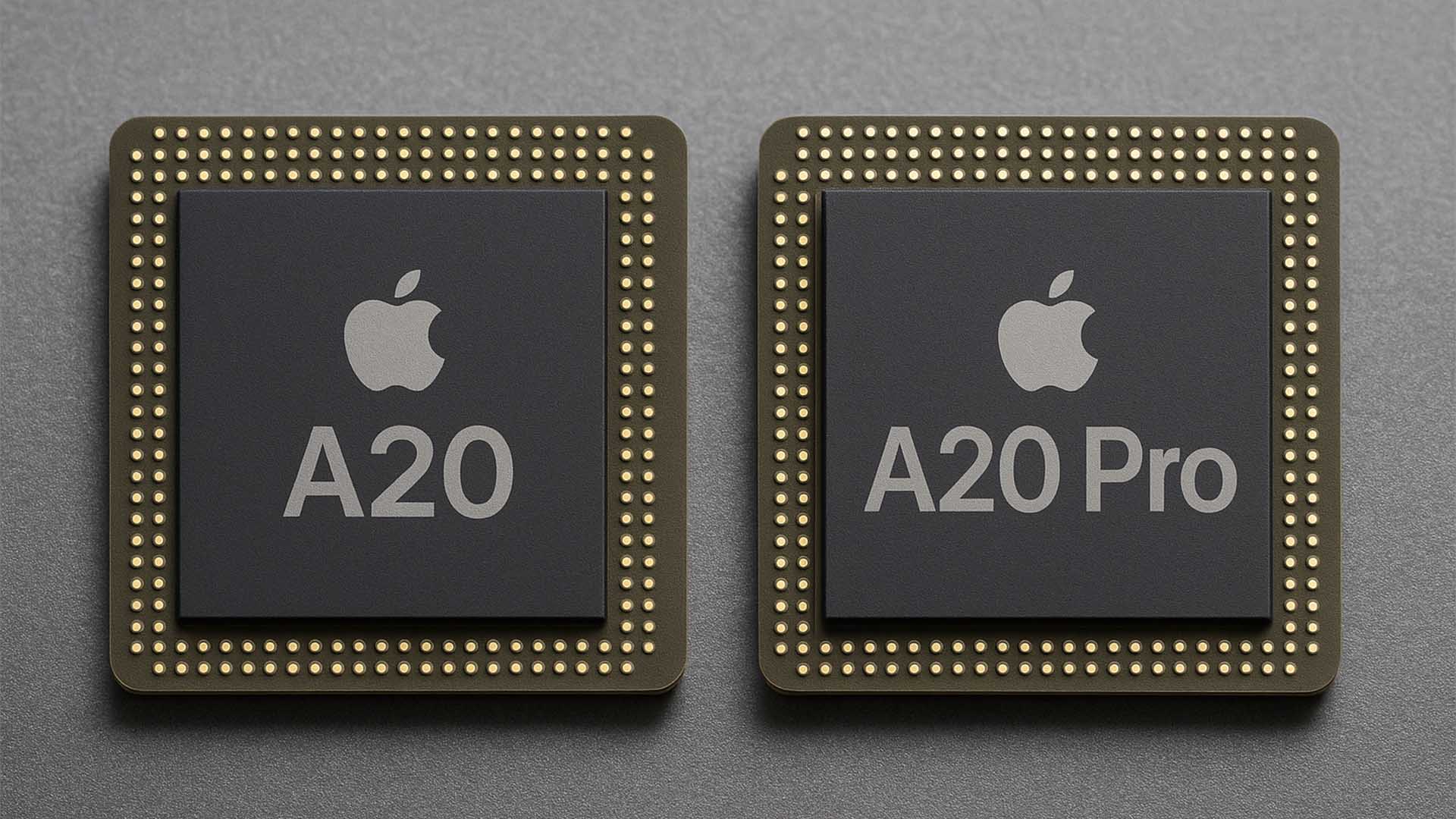
A new rumor suggests Apple will pair its upcoming A20 and A20 Pro chips with TSMC’s 2nm manufacturing process (often referred to as “N2”), which should naturally improve performance per watt. The bigger story, however, may be a shift in chip packaging technology—an often overlooked factor that can significantly affect heat dissipation, power efficiency, and sustained speeds.
According to a Weibo tipster known as Fixed Focus Digital, Apple is expected to move from InFO (Integrated Fan-Out) packaging to a more advanced approach called WMCM (Wafer-level Multi-Chip Module) for the iPhone 18 lineup, which is rumored to arrive in the third quarter of next year.
So why does packaging matter? Traditional designs often keep key components tightly grouped in a single setup, but WMCM is described as enabling tighter, more efficient integration across multiple dies. In this approach, different parts of the chip—such as the CPU, GPU, and NPU—can be placed on separate dies that work together as a unified system while operating more autonomously. The idea is that this arrangement can reduce power consumption and improve efficiency because not every part has to behave like it’s locked into one monolithic block at all times. Combined with 2nm production, this could translate into higher real-world performance, better battery life, and less heat buildup during demanding tasks.
Cooling remains part of the conversation, too. The iPhone 18 Pro and iPhone 18 Pro Max are expected to continue using a vapor chamber, assuming Apple keeps building on the iPhone 17 Pro’s thermal strategy. The surprising twist in the rumor is that vapor chamber cooling could also show up in a future iPhone Fold, which is said to be announced alongside Apple’s next flagship lineup. If true, that would be a major move, since foldables often face tougher thermal constraints due to internal space limitations and more complex layouts. Extra passive cooling could help the A20 and A20 Pro maintain higher clock speeds longer than prior generations.
To put expectations into perspective, the current generation A19 Pro has already shown signs of strong gaming capability. In one recent comparison mentioned in the original report, it reportedly delivered a better experience in Where Winds Meet than a competing Snapdragon chip—even when the competitor was backed by aggressive cooling hardware like liquid cooling and an active fan. If Apple follows through with improved packaging, a 2nm process, and expanded vapor chamber cooling, the iPhone 18 family could push sustained performance further, especially during long gaming sessions and other intensive workloads.
As always, it’s worth keeping expectations measured. Early rumors can shift as prototypes evolve and production plans change. Still, this is the kind of behind-the-scenes upgrade—chip packaging and thermal design—that can make a big difference in day-to-day performance, even more than headline-grabbing spec bumps.