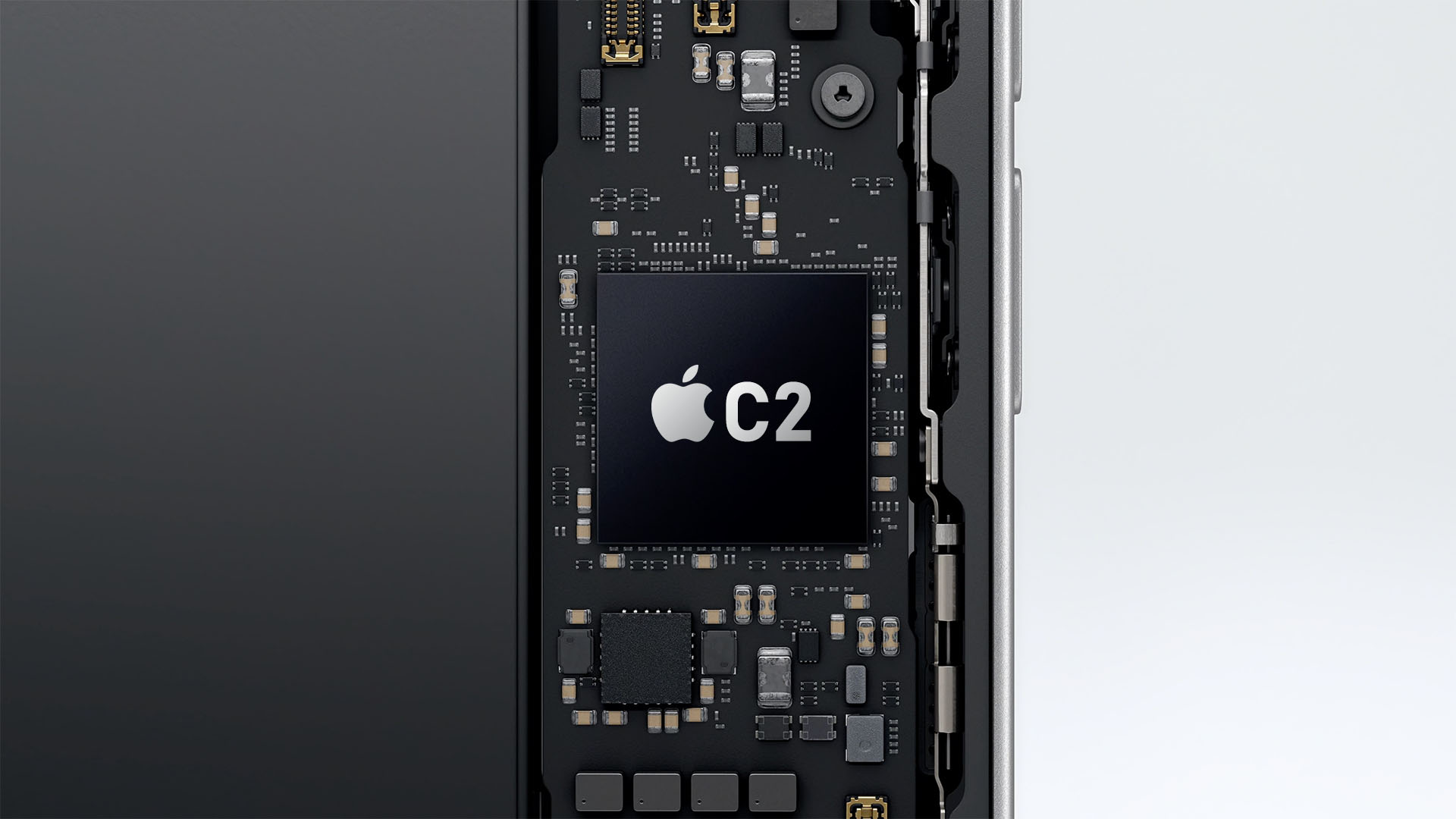
Apple is reportedly preparing a major boost to satellite connectivity on the iPhone 18 lineup expected later this year, with its next-generation C2 5G modem set to play a central role. Satellite features first arrived on iPhone 14 with Emergency SOS via satellite, and while the tool proved genuinely life-saving, it also came with real-world limitations. Now, Apple is said to be working toward a more seamless experience that could make satellite coverage feel far closer to regular cellular service.
According to a recent report from a Weibo tipster (via machine translation), the iPhone 18 Pro and iPhone 18 Pro Max will feature Apple’s second-generation C2 5G modem. This chip is expected to expand on Apple’s modem ambitions with broader network support, including both mmWave and sub-6GHz 5G. More importantly for everyday users, the C2 modem is rumored to support New Radio Non-Terrestrial Networks (NR-NTN), an emerging standard designed to let smartphones connect more directly to low-Earth-orbit satellites for connectivity.
If this plays out as reported, the iPhone 18 Pro models could represent Apple’s biggest step yet toward true 5G satellite connectivity. The concept is simple but transformative: instead of satellite functionality being a last-resort emergency feature with strict usage constraints, the phone could treat each satellite more like another cell tower in the network. That would open the door to more practical satellite-based communication and data access when traditional coverage is weak or unavailable.
One of the most frustrating limitations of current satellite messaging is the need for careful positioning—often requiring you to be outside with a clear view of the sky and to follow on-screen prompts to maintain a stable connection. With NR-NTN support paired with Apple’s C2 modem, the iPhone 18 Pro and iPhone 18 Pro Max may reduce or remove those obstacles, potentially allowing satellite connectivity to work more reliably even when you’re indoors or when the phone isn’t being actively aimed at the sky.
There is an important catch, though: even if the iPhone 18 Pro hardware is ready, the experience will still depend on the satellite network behind it. Apple’s satellite partner Globalstar would likely need to upgrade its infrastructure to fully support the newer protocol and deliver the improved performance users would expect. If the network side doesn’t evolve, the new capabilities inside the iPhone may not be fully usable at launch.
As for availability, early support will likely begin in the United States and Canada, with more regions added over time as network readiness and regulatory approvals line up. If Apple brings NR-NTN to the iPhone 18 Pro series as rumored, it could be a pivotal moment for iPhone satellite connectivity—pushing it beyond emergency use and closer to an always-available layer of coverage wherever you go.


