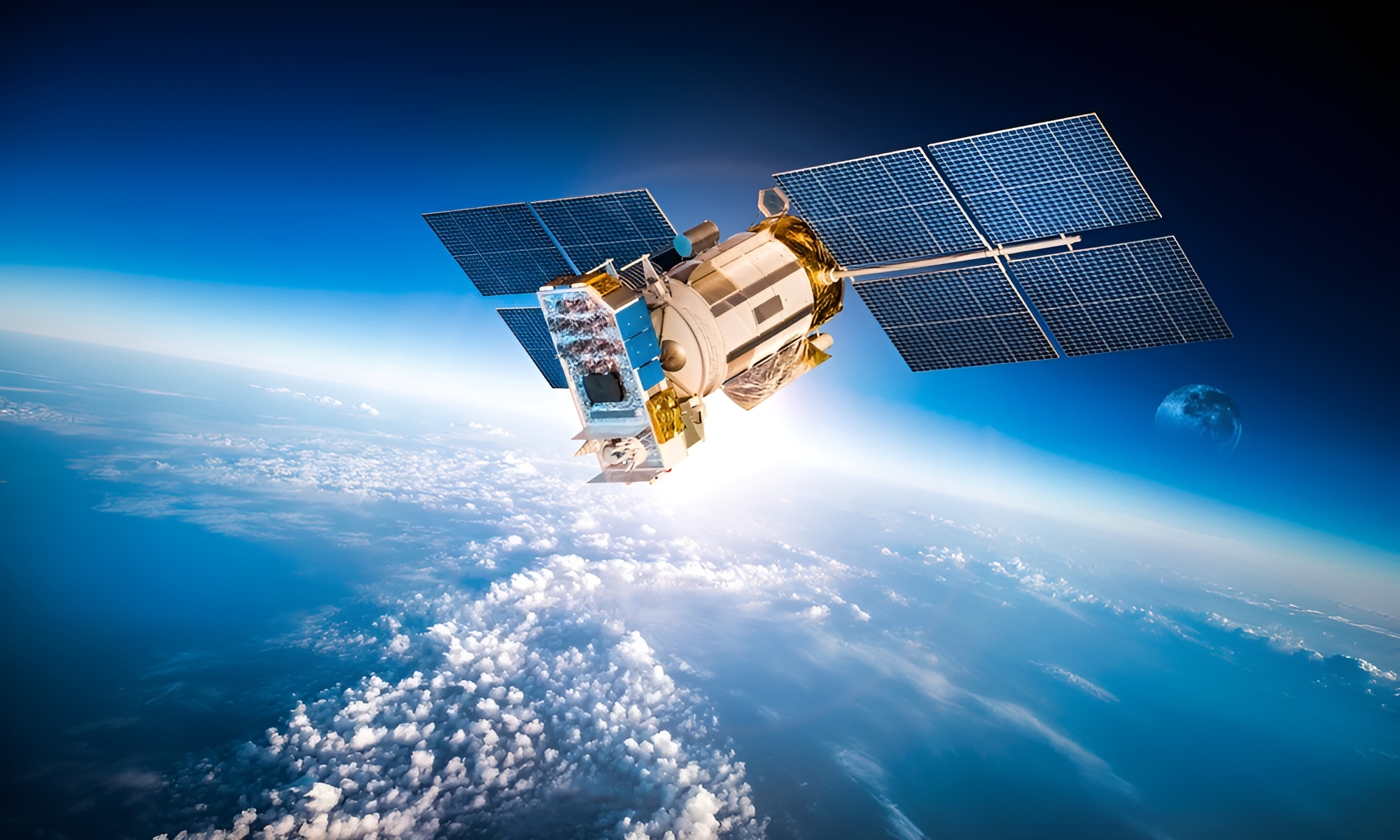
SpaceX just scored a major win that could reshape the future of satellite internet. The Federal Communications Commission has approved SpaceX to deploy and operate up to 15,000 second-generation Starlink (Gen2) satellites, a move that dramatically expands the company’s next wave of space-based broadband ambitions.
The approval effectively clears the way for SpaceX to launch thousands more next-gen satellites, bringing its Gen2 Starlink fleet to a total of 15,000 units. For everyday users, rural communities, businesses, and government customers, this matters because Gen2 Starlink is designed to deliver faster speeds, more network capacity, and lower latency—key ingredients for better real-world performance, especially in places where traditional broadband struggles.
What makes Starlink Gen2 so important is the big technology leap SpaceX is aiming for. These new satellites are expected to boost overall throughput significantly, helping the network handle far more users and far more data at once. Gen2 also supports Direct-to-Cell capability, meaning satellites can connect directly to standard, unmodified cellular handsets—an upgrade that could expand coverage in remote areas and improve reliability when ground-based networks fail. On top of that, SpaceX is building in greater orbital maneuverability and more advanced autonomous collision avoidance, which becomes increasingly important as Earth orbit grows more crowded.
With the FCC authorization in hand, SpaceX further strengthens its lead in satellite-based connectivity across both commercial markets and defense use cases. More satellites generally means more coverage, more redundancy, and more consistent service—especially during peak demand.
Just as notable is what this satellite expansion could signal for the smartphone world. Recent developments have fueled growing speculation that Apple may be preparing to deepen its satellite connectivity strategy—and that SpaceX could become part of that future.
Here’s why the SpaceX–Apple scenario is getting attention. SpaceX’s newer Starlink satellite designs reportedly support radio spectrum used by iPhones, which is a key technical piece if tighter integration ever happens. Today, Apple’s satellite features rely on Globalstar, powering services like Emergency SOS to help iPhone users reach emergency assistance when they’re outside cellular and Wi‑Fi coverage. That relationship also enables location sharing and limited messaging with contacts and first responders.
At the same time, signs suggest Apple and Globalstar may not remain tightly aligned forever. Globalstar’s leadership has discussed the possibility of a sale valued above $10 billion, and the company continues to face pressure competing in a world where Starlink is rapidly expanding. Apple has invested roughly $2 billion into Globalstar in recent years, but it’s still considered unlikely that Apple would buy the company outright—partly because Apple has little interest in being regulated like a telecommunications carrier. That regulatory risk is also one reason Apple has been cautious about charging users for satellite services.
Meanwhile, SpaceX has been making moves that point toward a more phone-centric vision for Starlink. The company recently acquired EchoStar’s wireless spectrum in a deal valued at $17 billion, which could help Starlink deliver faster phone internet services globally. SpaceX President and COO Gwynne Shotwell has also said the company is working with chipmakers to integrate satellite connectivity directly into smartphones—an approach that could make satellite connections feel more seamless and mainstream.
Industry reporting adds even more fuel. Apple is rumored to be targeting satellite-based 5G internet support as early as 2026. Additional reports indicate future iPhones could support 5G Non-Terrestrial Network (NTN) technology, which extends mobile coverage by using satellites as part of the cellular network. Apple is also said to be planning an API that would allow third-party developers to build satellite connectivity into apps, suggesting a longer-term roadmap that goes beyond emergency use.
Taken together, the FCC greenlight for up to 15,000 Starlink Gen2 satellites isn’t just a space infrastructure milestone—it’s a potential catalyst for the next era of global connectivity. If satellite-to-phone services mature the way SpaceX and major smartphone makers appear to be planning, the idea of “no signal” could start to feel a lot less permanent.