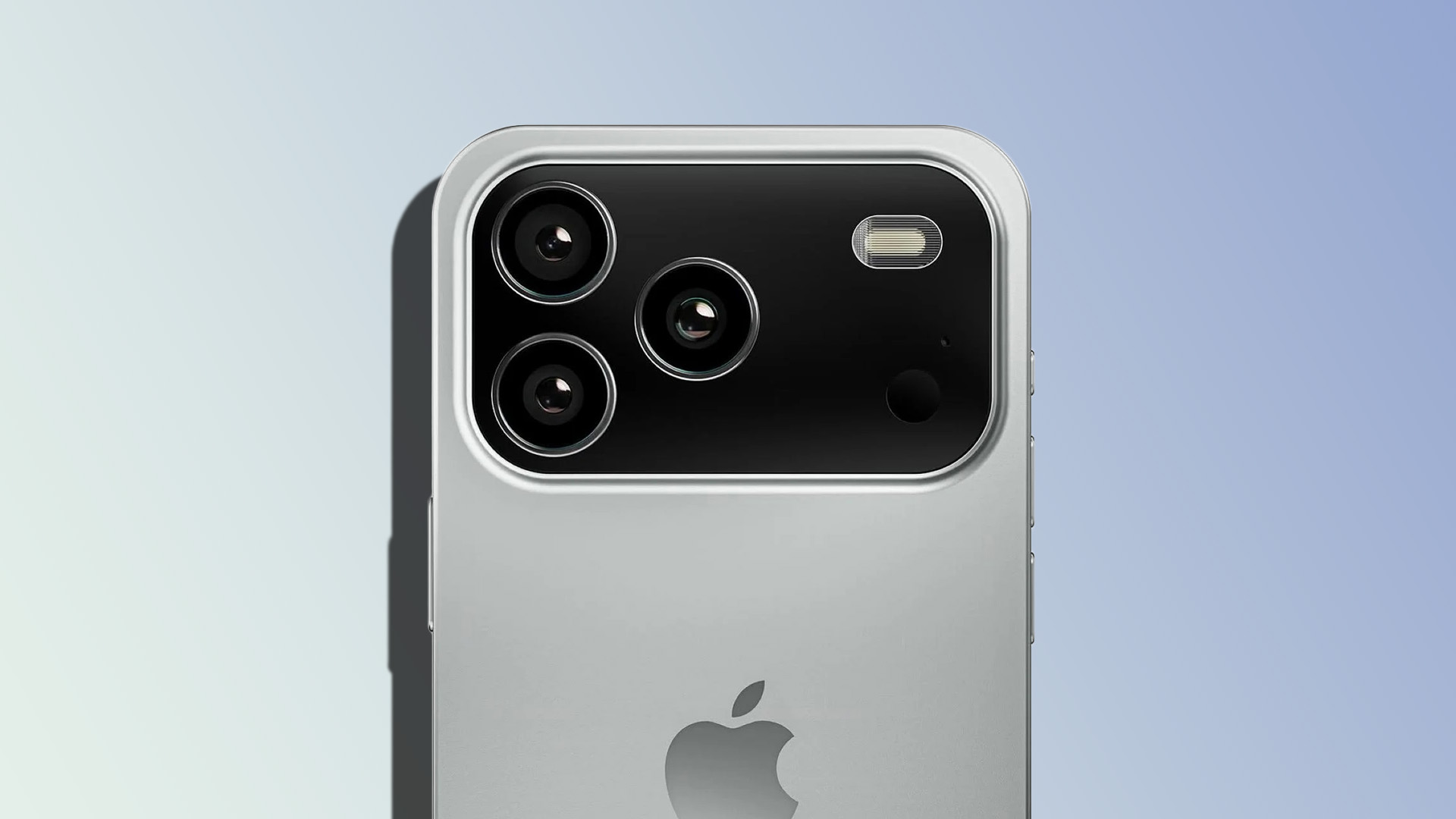
A widening memory supply shortage is sending ripple effects across the tech world, raising costs and complicating production for everyone from component distributors to major chipmakers. In a market where RAM and related components are becoming harder to secure at predictable prices, even companies with famously resilient supply chains are feeling the pressure. Apple is among them, and the situation could potentially push the iPhone 18 Pro and iPhone 18 Pro Max toward higher price tags in 2026.
According to a report from United Daily News, Apple is facing the same memory-related headwinds as the rest of the industry, which may translate into more expensive iPhone 18 Pro models next year. Apple already raised prices with the iPhone 17 lineup, so another increase—potentially in the $50 to $100 range—could be on the table depending on how effectively the company negotiates with memory suppliers and manages its overall bill of materials.
The stakes may be even higher because Apple is expected to expand its premium lineup in 2026. Alongside the iPhone 18 family, Apple is also rumored to launch its first foldable flagship, often referred to as the iPhone Fold. If that happens, 2026 could bring one of Apple’s most expensive iPhone generations yet—exactly the kind of moment when a memory shortage can do the most damage to pricing strategy.
Where Apple may have an advantage is in how aggressively it has moved to reduce reliance on third-party chip suppliers. Instead of buying as many key components from outside vendors, Apple has increasingly designed more of its own silicon, and that shift could help offset rising memory costs.
The A20 and A20 Pro chips are expected to power the iPhone 18 Pro, iPhone 18 Pro Max, iPhone Fold, and the standard iPhone 18. These processors are said to use TSMC’s advanced 2nm manufacturing process, which is typically more expensive than earlier nodes. Even so, Apple’s in-house approach can still save money overall because it avoids paying the kind of premiums and licensing structures that can come with sourcing comparable solutions from major third-party chip providers.
Another major cost lever is Apple’s modem strategy. After introducing the C1 and C1X 5G modems in newer iPhone models, Apple is reportedly developing the C2 modem, which could arrive across the iPhone 18 lineup. The C2 is rumored to be mass-produced using TSMC’s 4nm process, which is less cutting-edge than 2nm and can help keep wafer costs more manageable. One estimate tied to Apple’s earlier in-house modem efforts suggested savings of about $10 per device—numbers that become enormous at iPhone scale. Using an example shipment figure of 22 million units, that kind of per-unit reduction would translate to roughly $220 million saved, while also reducing dependence on external modem-related costs and royalties.
Apple’s wireless silicon is another potential buffer against rising component prices. The company introduced its own N1 wireless chip with the iPhone 17 generation. Whether Apple keeps that chip or evolves it into a next version for the iPhone 18, the key point is the same: greater internal control can reduce what it pays to outside suppliers for connectivity components and integration.
There’s no precise public estimate yet for how much Apple could save in total by rolling out multiple custom chips—modem, processor, and wireless—across the iPhone 18 lineup. Still, the broader takeaway is clear: while memory shortages could drive iPhone 18 Pro pricing higher, Apple’s expanding portfolio of custom silicon may soften the blow and help the company stick closer to its intended pricing, even in a difficult supply environment.