iPhone 17 Pro Max teardown: smarter battery swaps, cooler performance, tougher overall repairs
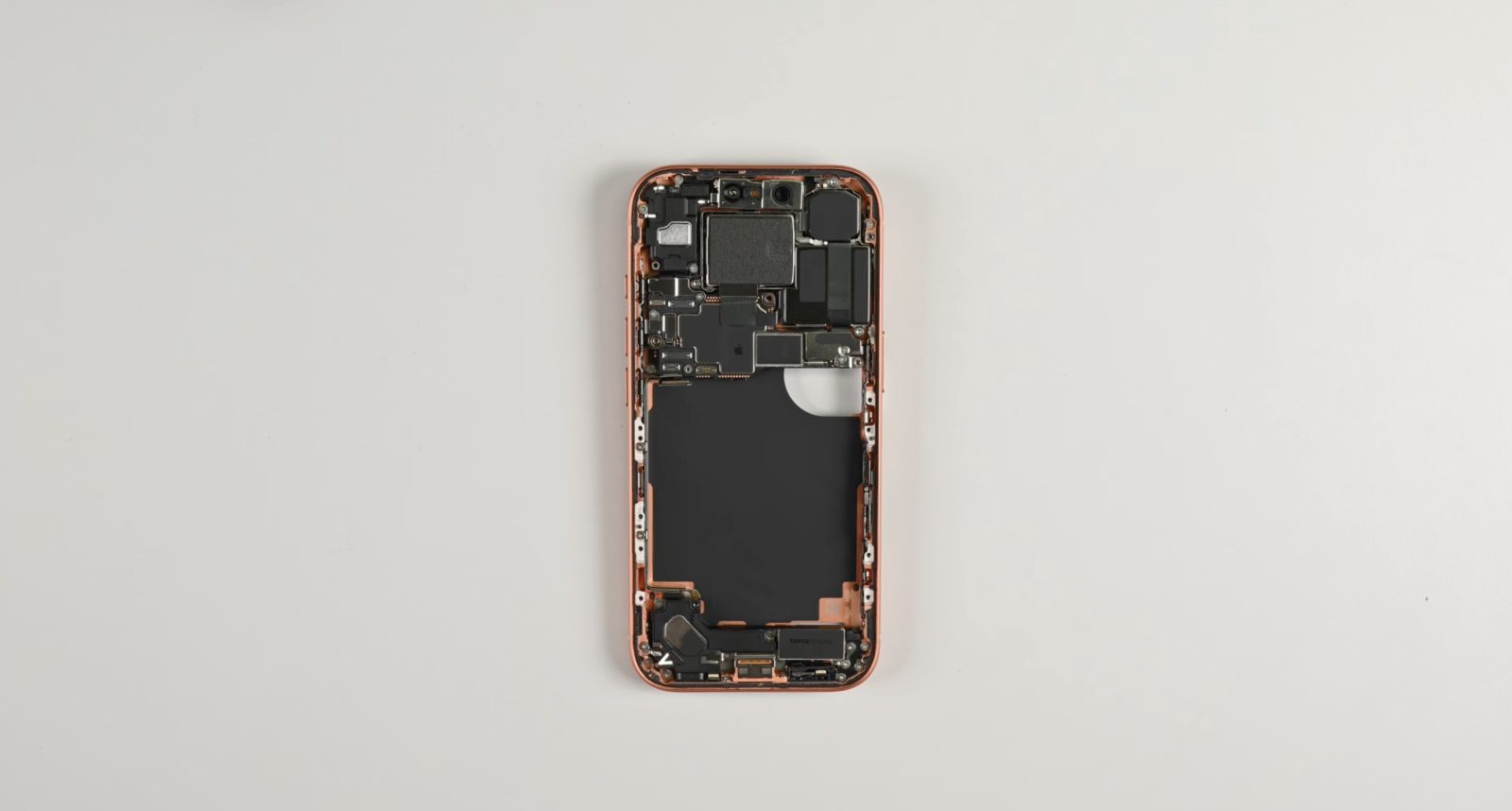
A fresh teardown of the iPhone 17 Pro Max shows Apple has dramatically reworked its flagship’s internals. The big wins are a screwed-in battery tray and electrically debonding adhesive that make battery replacements cleaner and far less stressful than before. There’s also a new vapor chamber cooling system under the battery to keep the A19 Pro chip running cooler during sustained workloads. The trade-off? Some repairs are now more complicated and time-consuming than they were on the iPhone 16 Pro.
Battery replacements finally feel modern. Instead of relying on pull-tabs that can snap mid-removal, technicians can send a small electrical current through the adhesive to release the battery. Pair that with the new screwed-in battery tray and you get a safer, more controlled procedure that reduces the odds of damaging nearby components during a swap.
Access, however, takes a step back. Last year’s two-way entry design is gone, so most repairs now require opening the display first. That adds risk and time, since the panel is one of the most delicate parts to handle and replace.
The vapor chamber cooling system is a first for this lineup and a big deal for anyone who games, edits video, or pushes the phone hard. By spreading heat from the A19 Pro across a larger area and into the aluminum frame, the phone maintains higher performance for longer with less throttling. The downside is added internal complexity, which can make deep repairs trickier.
Apple also introduced Torx Plus screws inside the phone, with fourteen holding the battery tray alone. They’re secure and precise but add tool-switching overhead that slows down workflows. Another pain point is the USB-C port: it now sits on a busier assembly tied to multiple components, making replacements more tedious than before.
How iPhone 17 Pro differs from iPhone 16 Pro on the inside:
– Battery: New screwed-in tray and electrically debonding adhesive replace traditional pull-tab strips.
– Access: Dual-entry is gone; major repairs require going in through the display.
– Cooling: A vapor chamber helps keep the A19 Pro cooler under heavy load.
– Ports: USB-C replacement is more involved due to added connections.
– Fasteners: Torx Plus screws increase tool changes and step count.
Durability testing also highlighted a cosmetic weak spot. The sharp-edged, flat camera plateau on the aluminum frame is prone to visible marks when scraped against hard objects. Engineers describe this as spalling: the anodized color layer doesn’t adhere as strongly along that edge geometry, so it can rub off more easily and leave noticeable scuffs.
Taking everything into account, the iPhone 17 Pro Max earns a provisional repairability score of 7 out of 10. Battery serviceability is clearly improved, thermal management is much better, and day-to-day performance under load benefits. But the loss of dual-entry access, more specialized screws, and a tougher USB-C replacement raise the bar for other common repairs. The question for buyers is simple: would you accept easier battery replacements and cooler sustained performance in exchange for a more complex path to other fixes?