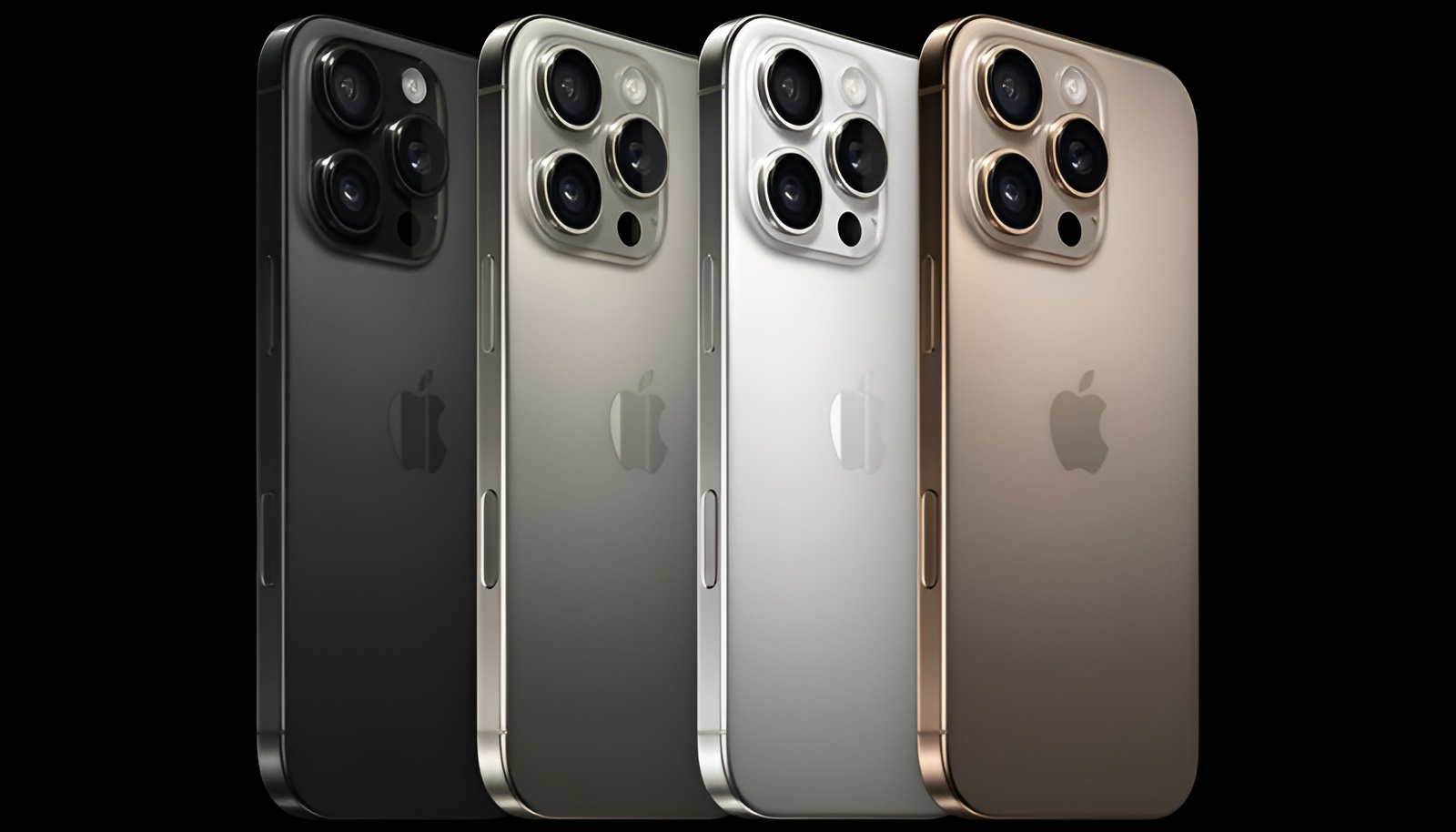
Apple’s iPhone 17 Pro Max was designed to run cooler under pressure, but that performance-focused decision may be creating an unexpected durability headache for some owners. New user reports suggest the phone’s frame can dent from relatively minor drops even when the device is protected by a case—raising questions about whether the Pro Max’s upgraded thermal design is coming at the expense of everyday toughness.
One recent example making the rounds comes from creator Erica Griffin, who shared photos showing a clearly dented iPhone 17 Pro Max frame despite the phone being inside a well-fitted protective case. According to her account, the device fell from a stroller and still ended up with visible frame damage. The case itself appeared intact, which is exactly what makes the situation so frustrating for owners: the whole point of using a case is to absorb impact and prevent cosmetic and structural damage.
A materials-focused explanation has also surfaced that sheds light on why this may be happening. The iPhone 17 Pro Max reportedly uses a 5080-series aluminum alloy in its frame, while the standard iPhone 17 uses a 6000-series aluminum alloy. That difference matters because not all aluminum alloys behave the same way during impacts. The 5080-series choice is said to favor heat dissipation characteristics rather than maximizing resistance to dents from drops and corner hits. In real-world terms, that can mean the Pro Max may be more likely to show dents and dings—especially around corners and edges—compared to models using a tougher alloy blend.
The reason Apple would make that tradeoff comes down to heat. The iPhone 17 Pro Max is built to sustain high performance, and it packs the powerful A20 Pro chip. To reduce the risk of overheating and performance slowdowns, Apple is leaning hard into more advanced cooling. The phone includes a vapor chamber system designed to move heat away from critical components efficiently. In simple terms, the system uses a sealed chamber where liquid absorbs heat, turns into vapor, travels to cooler areas, releases that heat into the outer frame, then condenses back into liquid to repeat the cycle. It’s an effective method for keeping temperatures under control and helping maintain peak performance.
But improved thermal management can require materials that spread heat better, and the same alloy properties that help with heat transfer don’t always translate into the best impact resistance. If the 5080-series aluminum truly is more prone to denting than the 6000-series used elsewhere in the lineup, it could explain why some iPhone 17 Pro Max owners are seeing frame damage from drops that wouldn’t leave a mark on other models.
For buyers choosing the iPhone 17 Pro Max specifically because it’s the top-tier iPhone—often at a premium price—this is a tough pill to swallow. People expect flagship durability, especially when carrying the phone in a reputable case. If more reports appear over time, the iPhone 17 Pro Max could develop a reputation for being easier to dent than expected, even if its cooling system and sustained performance are a step forward.
For now, it’s worth keeping perspective: aluminum is naturally softer than some alternative frame materials, and the outcome of any drop depends on countless variables like angle, surface type, and where the impact lands. Still, if you own or plan to buy an iPhone 17 Pro Max, it may be wise to consider cases with reinforced corners and stronger edge protection, since corner impacts appear to be especially problematic with this frame design.