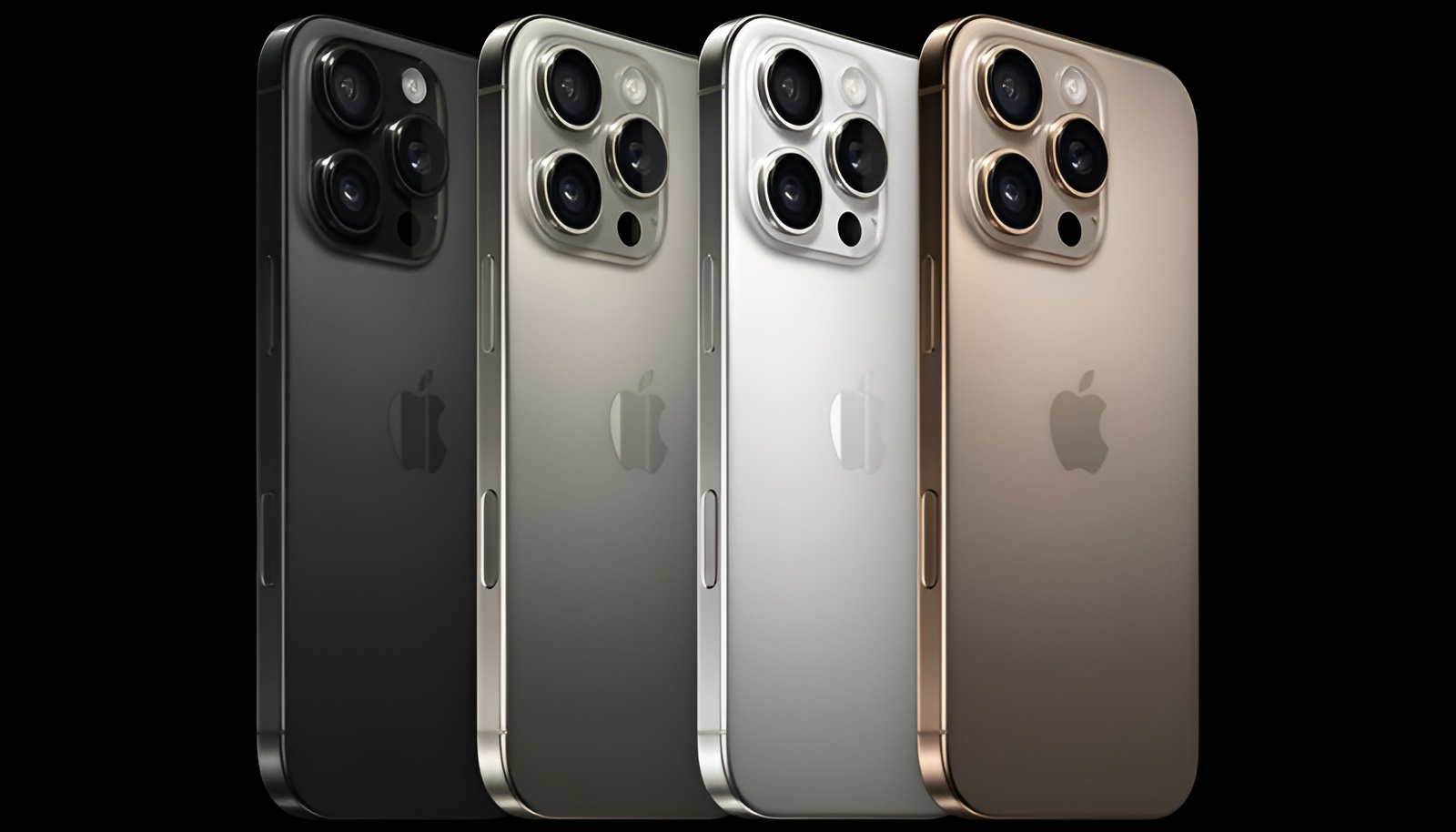
Apple has long been known for sweating the small stuff, and a new performance consistency test highlights just how far that mindset goes with the iPhone 17 lineup. When comparing early review units to regular mass production models, the iPhone 17 series showed the smallest performance swing of the flagships tested, suggesting that what reviewers measure is extremely close to what everyday buyers actually get.
The test looked at a straightforward but important question: if early reviews influence purchasing decisions, shouldn’t the retail phones people buy deliver the same performance as the devices sent out for previews and reviews? In this comparison, Apple’s iPhone 17 models stood out for staying remarkably consistent between the initial review hardware and the phones that reached broader production.
In fact, the iPhone 17 Pro and iPhone 17 Pro Max reportedly performed even better in their production versions than in the early review units, an unusual result in a world where “final” retail devices sometimes end up slightly worse due to changes in thermals, firmware, or manufacturing adjustments. The base iPhone 17 was the only model that showed any decline, and even then it was tiny, with a reported drop of just 0.2fps.
By comparison, some competing flagship phones from Chinese manufacturers showed noticeably larger declines when moving from early units to mass production. One example cited was the Oppo Find X9 Pro, which reportedly dropped by 6.1fps between the review device and the production model. That kind of gap can be hard to ignore, especially for buyers who expect the performance showcased in early reviews to reflect what they’ll experience after paying full price.
An additional detail from the test is that Samsung devices were not included, reportedly due to lower market share in China. That means the comparison focused heavily on Apple versus a selection of Chinese OEM flagships, where the biggest variances were observed.
The broader takeaway is less about raw benchmark scores and more about trust. Large gaps between review units and retail devices can fuel suspicion that early phones might be selectively tuned or optimized to produce better results for reviewers, while those same optimizations don’t fully carry over to the mass-produced versions consumers actually buy. If the performance difference is big enough, it can also raise uncomfortable questions about advertising claims and potential legal exposure.
Apple’s results point in the opposite direction. The iPhone 17 lineup’s near-identical performance between early and retail units suggests Apple either avoids special “review-only” behavior entirely or applies the same level of optimization across all devices equally. For consumers, that consistency matters: it indicates the iPhone 17 performance you read about early is far more likely to be the iPhone 17 performance you’ll get in your pocket.