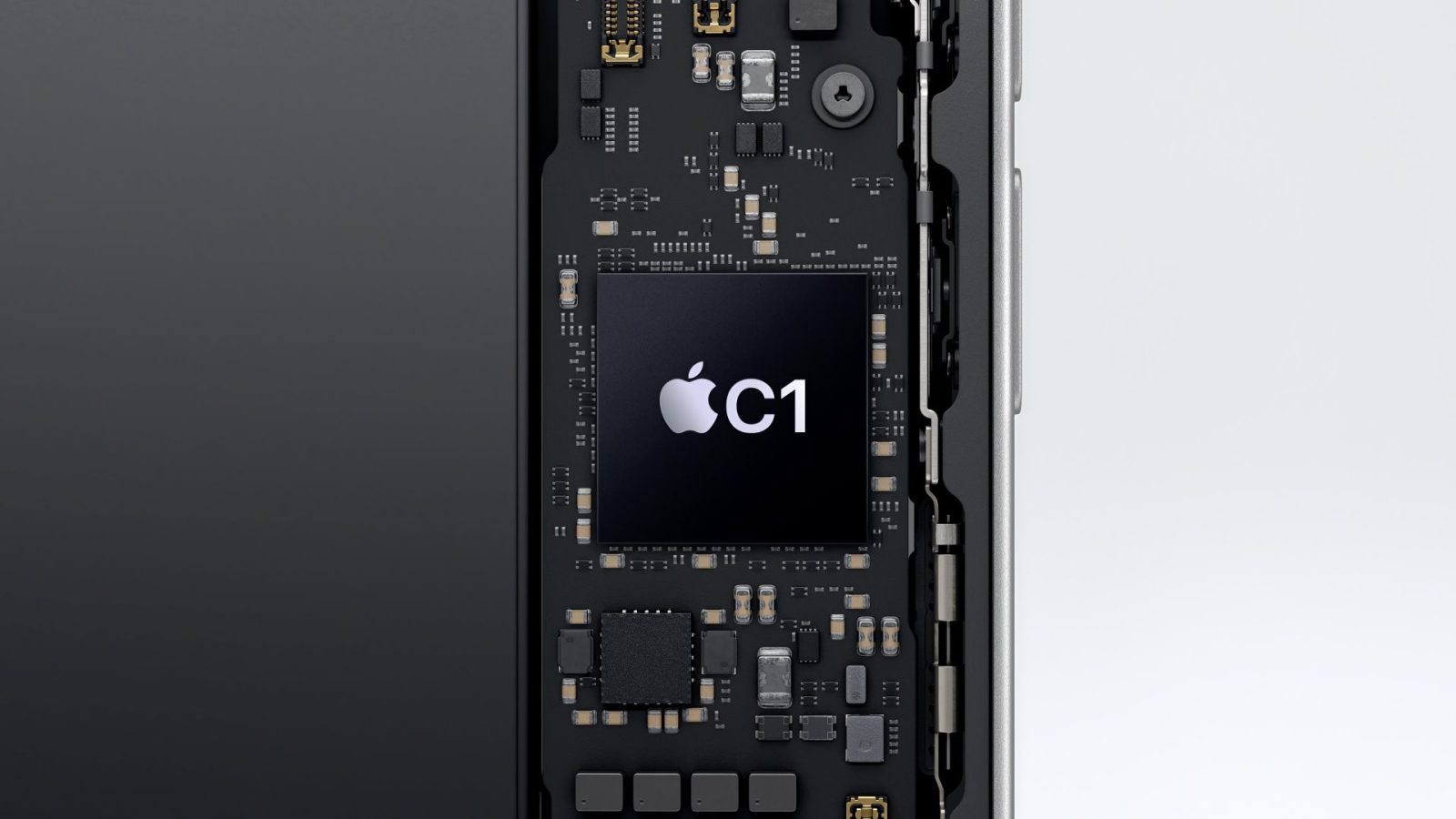
Apple is on the verge of a major milestone: its first in-house modem is coming to a flagship iPhone. The ultra-thin iPhone 17 Air is expected to debut Apple’s custom C1 chip, a big step toward reducing reliance on Qualcomm for connectivity. The C1 earned positive marks in the iPhone 16e for stability and efficiency, but real-world performance will depend heavily on your carrier and how its network is configured.
Early testing points to a clear pattern. Apple’s C1 modem delivers reliable connections and strong power efficiency, yet it doesn’t always match Qualcomm’s highest peak speeds—especially on networks that lean hard on advanced carrier aggregation. That’s the technology that combines multiple spectrum bands to boost download rates. On carriers where four-carrier aggregation is widely deployed, Qualcomm-equipped phones can still pull ahead.
Independent research underscores the point. Ookla’s recent analysis found that, in the U.S., T-Mobile users saw higher median speeds on the iPhone 16, which supports four-carrier aggregation, than on the iPhone 16e with Apple’s C1, which tops out at three-carrier aggregation. The study reported a 317.64 Mbps median download speed for the iPhone 16 on T-Mobile versus 252.80 Mbps for the iPhone 16e. Complementary controlled testing from RootMetrics showed T-Mobile using four-carrier aggregation across 65.4% of tested locations, giving devices that support it a measurable advantage on that network.
There’s another side to the story, though. The C1 has shown its strengths in areas with weaker coverage or less mature 5G rollouts. In those conditions, Apple’s modem maintained steadier connections with fewer dropped signals, which suggests Apple favored real-world consistency over chasing the fastest possible benchmarks. That focus could make a meaningful difference for commuters, travelers, and anyone who spends time outside dense urban cores.
Battery life could be a standout win as well. With Apple controlling both the modem and the rest of the silicon, tighter integration usually translates into better power management. If the C1 helps the iPhone 17 Air sip power in spotty coverage—where phones often work hardest to hold a signal—the tradeoff of slightly lower peak speeds may be worth it for many users.
What this means for buyers:
– If you’re on a carrier that heavily uses advanced carrier aggregation and you live in a well-covered area, you may notice faster top-end speeds on devices that support more aggregation layers.
– If you frequently move through patchy or rural coverage, or you prioritize stability and battery life, Apple’s C1 modem could deliver a smoother everyday experience.
– Your carrier’s network features matter as much as the modem itself; performance can vary widely by location and provider.
Apple is expected to unveil the iPhone 17 lineup at its “Awe dropping” event tomorrow. We’ll be watching closely for official details on the C1’s capabilities, battery optimizations, and any carrier-specific features. Which new device are you most excited to see?