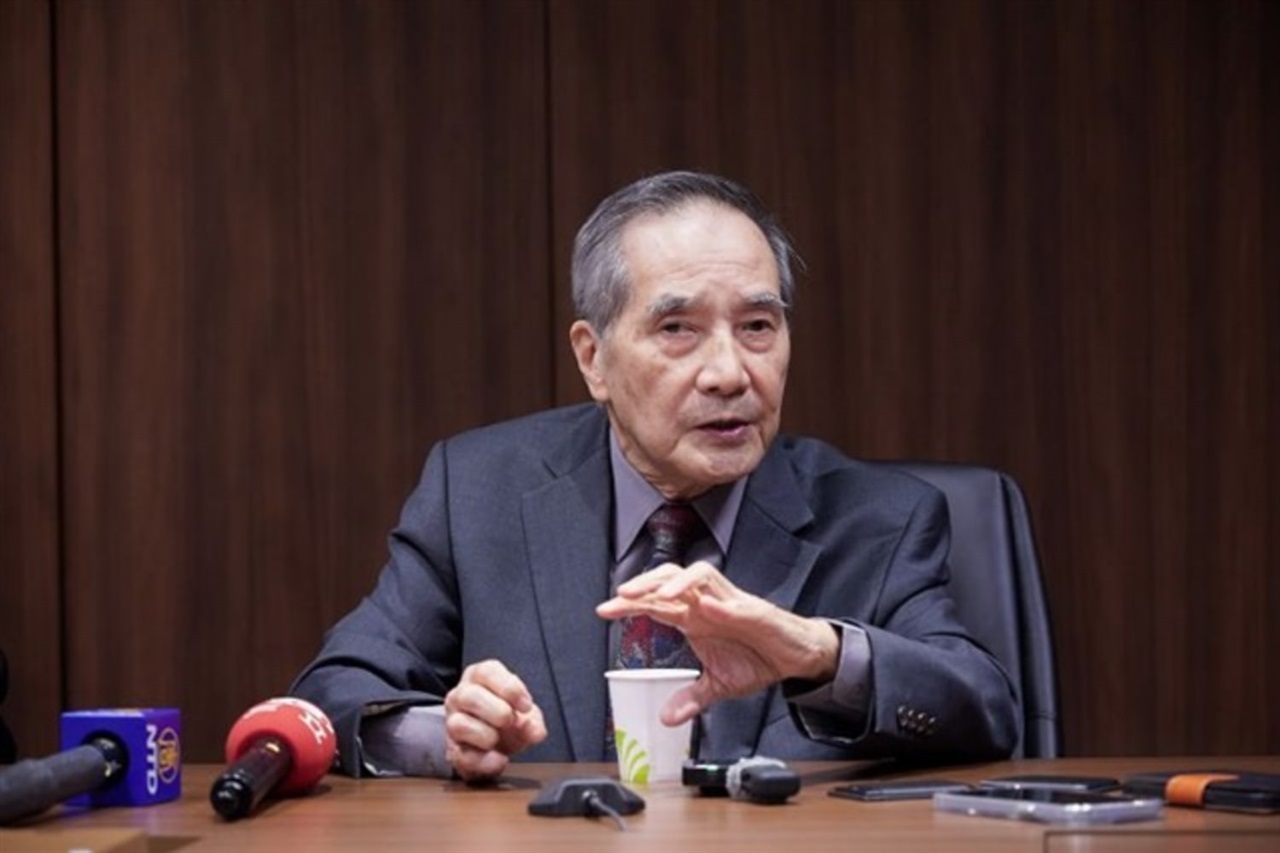
Intel has made a notable move in its race to reclaim semiconductor manufacturing leadership by hiring Wei-jen Lo, a longtime TSMC executive who previously served as Senior Vice President of Strategy Development. The appointment is being read across the industry as a clear signal that Intel wants to accelerate its turnaround, sharpen its manufacturing roadmap, and regain the process technology edge that once defined the company.
Lo’s reputation comes from working at one of the world’s most influential chipmakers during an era when advanced process nodes, yield improvements, and high-volume execution became the ultimate competitive differentiators. For Intel, bringing in a senior figure with deep experience in strategy and long-range planning suggests a stronger focus on aligning technical development with business realities—especially as customers and partners demand clear timelines, consistent execution, and credible process leadership.
Why this hire matters now
Intel is in the middle of a high-stakes push to restore confidence in its manufacturing. In recent years, the company has faced intense pressure as rivals extended their lead in leading-edge processing. Talent recruitment at this level isn’t just about adding a respected name to the leadership roster—it’s about changing how decisions get made, how priorities are set, and how quickly complex manufacturing programs can be brought to scale.
In practical terms, hiring someone from a top-tier foundry environment can help Intel strengthen key areas such as process planning discipline, competitive benchmarking, and the organizational cadence required to deliver node improvements on schedule. For a company striving to prove it can execute consistently across multiple generations of process technology, strategic leadership and operational rigor are just as important as big R&D investments.
Not everyone is convinced a single hire changes the fundamentals
At the same time, respected industry veteran Burn J. Lin is cautioning observers not to assume that a high-profile recruitment automatically translates into rapid process technology wins. His view reflects a broader reality in semiconductor manufacturing: process leadership is built on years of iterative engineering, deep integration across teams, and flawless high-volume execution. Even the most talented executives can’t instantly fix bottlenecks tied to tooling, defect density, yield learning, materials challenges, or complex multi-patterning and lithography constraints.
Lin’s perspective underscores a key point: leadership changes can improve focus, decision-making, and accountability, but they don’t replace the long, difficult work of process development. In other words, the hire is meaningful, but the results will ultimately be measured in metrics—yield, performance per watt, cost efficiency, and the ability to deliver process nodes reliably at scale.
What to watch next
For readers tracking Intel’s manufacturing comeback, the most telling signs won’t be the headline of the hire itself, but what follows. Watch for clearer process milestones, stronger alignment between strategy and execution, and evidence that Intel’s manufacturing engine is gaining momentum. If Lo’s influence helps tighten long-term planning, improve roadmap credibility, and accelerate decision-making, Intel could strengthen its position in a market where advanced process technology is the key to winning both customers and reputation.
Intel’s recruitment of Wei-jen Lo is a bold and symbolic step in the company’s push to regain process leadership. But as Burn J. Lin’s scrutiny reminds the industry, chip manufacturing excellence isn’t gained through titles—it’s earned through execution.