Intel Project Firefly Could Make Budget Laptops Thinner, Cheaper, and More Stylish
Intel is working on a fresh approach to entry-level laptops, and the goal is simple: make affordable notebooks feel less like compromises. According to Nish Neelalojanan, using a low-cost processor is only one part of the equation. To build a truly competitive budget laptop, manufacturers also need affordable displays, memory, cooling systems, chassis materials, ports, and assembly methods.
That is where Intel’s Project Firefly comes in.
Project Firefly is designed to help laptop makers bring inexpensive Wildcat Lake-based notebooks to market faster and at a lower cost. Instead of relying only on traditional PC manufacturing methods, Intel has been working with smartphone production partners in China. These factories already have mature, efficient supply chains capable of producing compact components at scale, which could help reduce the cost of building modern laptops.
The idea is to use proven smartphone manufacturing expertise to create affordable laptop reference designs. Intel selects and validates key components, then laptop brands can use these designs as a foundation for their own products. This could make it easier for companies to launch low-cost laptops without spending as much time and money on development.
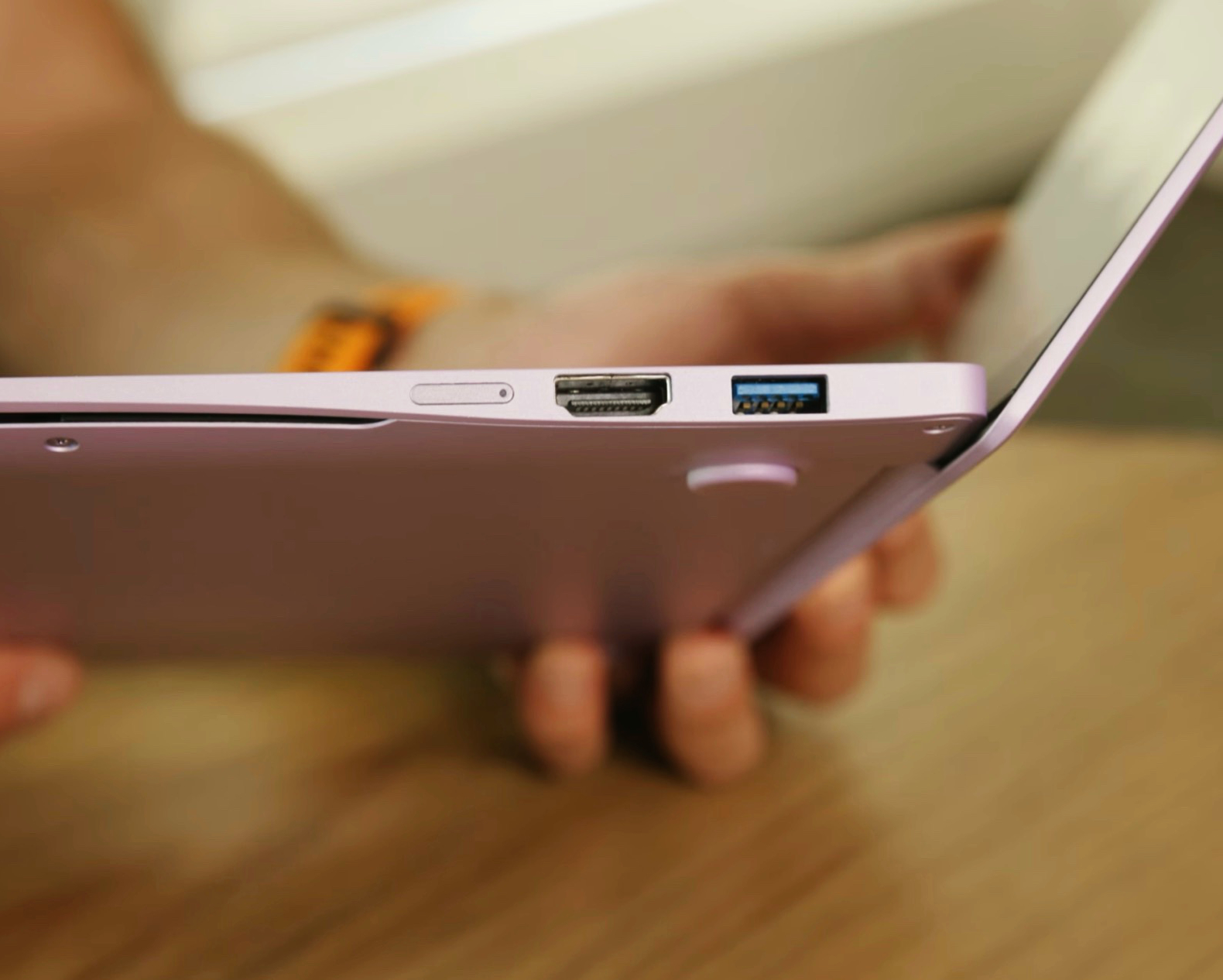
One of the most interesting parts of Project Firefly is the design itself. Intel has shown a reference laptop that is just 12.9 millimeters thin, yet it still features a colorful metal chassis. That is a notable shift for budget notebooks, which often rely on basic plastic designs to keep prices low.
Despite its slim body, the reference device includes a practical set of ports. It offers two USB-C ports, one USB-A port, and HDMI, giving users enough flexibility for modern accessories, external displays, storage devices, and everyday peripherals.
Intel has also focused on lowering production costs in less obvious areas. For example, the company developed a new cooling system using an especially thin copper heatpipe. This helps manage heat while keeping the laptop slim and affordable. Intel has even worked on a cheaper cable solution for connecting ports to the mainboard, showing how deeply the company is looking at cost savings across the entire device.
Another key cost-cutting move is memory. Wildcat Lake laptops under Project Firefly can use memory chips originally designed for smartphones. Since mobile memory is produced in huge quantities, this could help reduce expenses while still delivering the performance needed for basic computing tasks.
If Project Firefly succeeds, it could change what buyers expect from cheap laptops. Instead of bulky, outdated-looking machines with limited features, future budget notebooks may offer thinner metal designs, better port selections, efficient cooling, and faster availability across different brands.
For students, home users, remote workers, and anyone looking for a low-cost laptop for everyday tasks, this could be a major improvement. Intel’s strategy suggests that the next wave of affordable laptops may borrow more from the smartphone world, combining compact engineering, efficient supply chains, and modern designs to deliver better value.