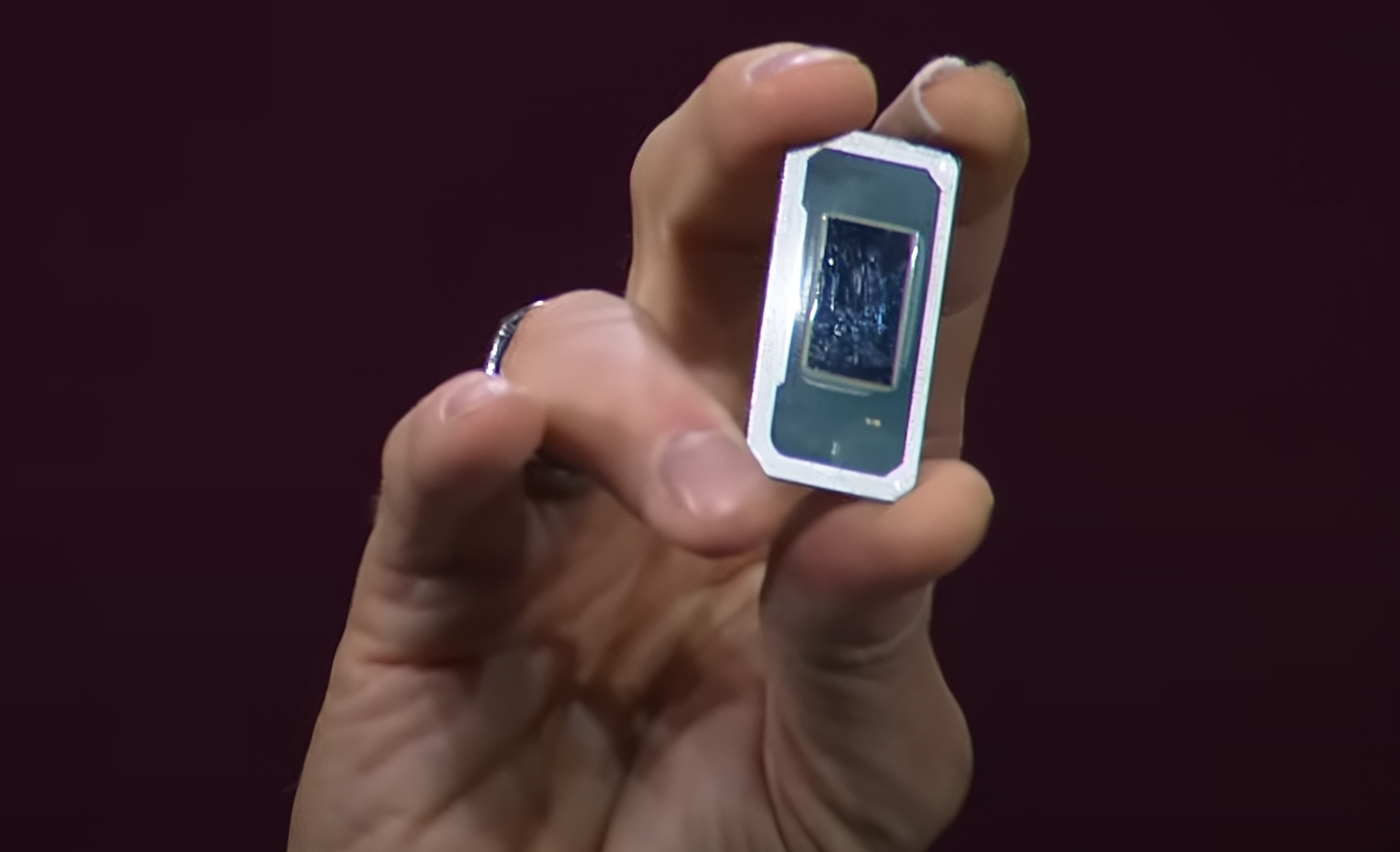
The buzz surrounding Intel Foundry is reaching new heights, with industry insiders abuzz about a significant development in its 18A process. This advancement could mark a turning point for Intel, especially after the challenging periods the division faced last year, leading to the former CEO Pat Gelsinger stepping down. Rumors had circulated that customer dissatisfaction with yield rates on the 18A process resulted in canceled orders, creating a ripple effect within Intel Foundry. However, a recent leak from Weibo suggests a shift in fortune.
According to the leak, Intel’s innovative Panther Lake System on Chips (SoCs) have demonstrated promising results. Specifically, the uncore elements, including memory controllers, I/O interfaces, and onboard interconnects, are now operational. Although these tests were likely conducted on the A0 stepping—one of the initial test phases for CPUs—seeing the 18A process in action is a beacon of hope for Intel’s ambitions to reclaim its technological stature.
Despite this progress, the leaker noted that the performance of Panther Lake’s P-Cores, called “Cougar Cove,” may be underwhelming compared to previous expectations. It’s important to remember that these details are not officially confirmed and should be viewed with cautious optimism.
Looking ahead, Intel’s 18A process is expected to debut with the Panther Lake SoCs, slated for a late 2025 release. Reports indicate that Intel’s partners have already begun testing Panther Lake components, expressing enthusiasm about its potential. Although specifics about Panther Lake remain under wraps, it is anticipated that the initial offerings will cater to the mobile market, particularly the “H” series models.
The forthcoming performance of the 18A process may also have broader implications. The U.S. government seems eager to re-establish Intel’s leadership in the semiconductor sector, and a successful rollout of the 18A technology could spur further governmental support, reinforcing Intel’s position in the global chip market.