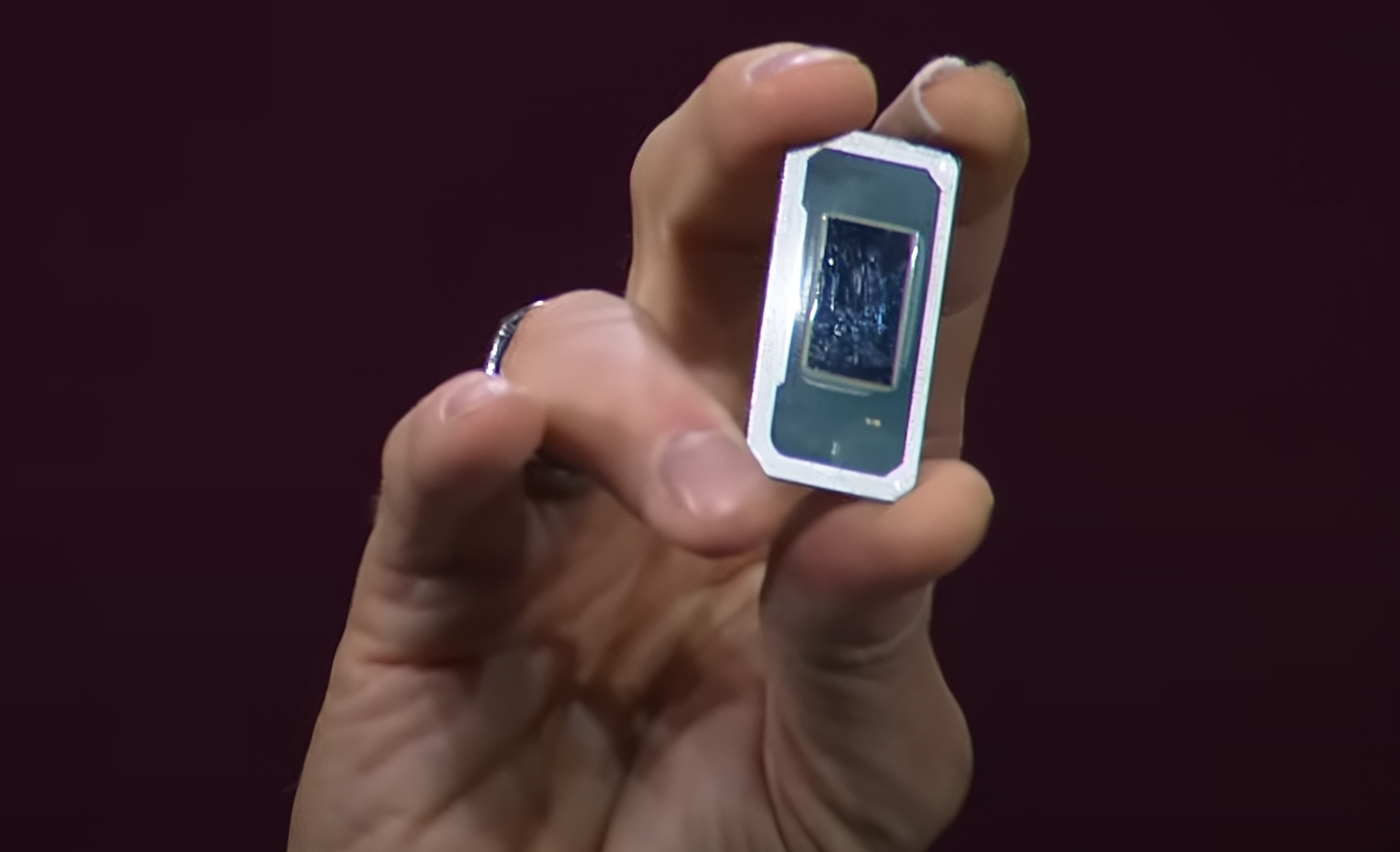
Intel’s former CEO, Pat Gelsinger, has recently stepped into the spotlight, passionately defending Intel Foundry’s 18A process. Despite facing challenges and controversies, Gelsinger remains optimistic about the “incredible work” the team is doing.
For those who’ve been following Intel’s recent hurdles, the company has been entangled in financial difficulties, which eventually led to Gelsinger’s resignation under board pressure. Controversy swirled around Intel’s much-anticipated 18A process, rumored to be struggling with a yield rate of less than 10%. The media has been critical, labeling these numbers as “abysmal.”
However, Gelsinger has been quick to challenge these reports. In response to insights from analyst Patrick Moorhead, Gelsinger pointed out that the reported low yield rates stemmed from an older design kit, not the official PDK 1.0. This misrepresentation apparently influenced perceptions, as Broadcom was reportedly dissatisfied with the 18A process based on these initial figures. Such rumors have put Intel in a challenging position, as low yield rates are a barrier to high-volume production.
Jumping into the conversation with vigor, Gelsinger asserts his pride in Intel’s team, indicating that the reality might differ from mainstream media portrayals. He also elaborated on the misunderstanding, noting that discussing yield percentages without considering die size doesn’t provide an accurate picture of semiconductor health. Larger dies naturally result in lower yields, whereas smaller ones tend to yield higher percentages, hence talking about yield without specifics might be misleading.
Despite stepping down, Gelsinger continues to express his vision for Intel Foundry, with ambitions to lead the division to greatness by the end of the decade. For now, Intel finds itself at a turning point, requiring strategic and possibly radical shifts to climb out of its current challenges. Observers believe an aggressive approach might be on the horizon, possibly involving a restructure or divestment of parts of the company like the IFS.
As Intel faces a critical moment in its history, all eyes are on how the company navigates its next steps to regain its footing and drive innovation forward. Whether Gelsinger’s optimism will reflect Intel’s future successes remains a story unfolding.