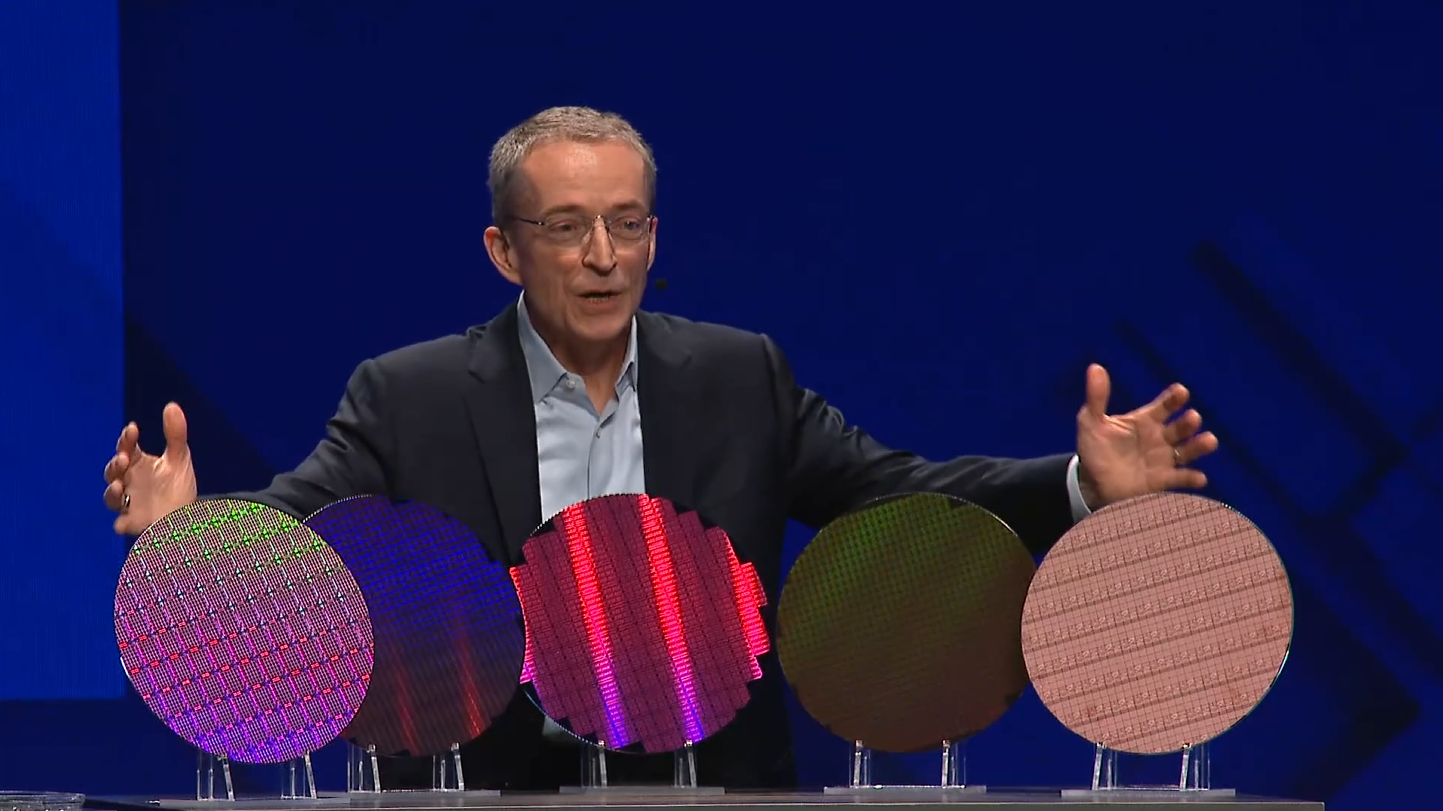
The recent departure of Intel’s former CEO, Pat Gelsinger, has left many industry watchers speculating about the true reasons behind his sudden step down. Gelsinger was known for his optimistic approach to Intel’s future, which makes his “retirement” all the more surprising. As clues emerge, an old interview from 2022 might shed some light on his departure, suggesting that a potential business split was at odds with his strategic vision for the company.
In the interview, Gelsinger clearly expressed his opposition to dividing Intel’s operations. He stated that if the company wanted to split its manufacturing and chip business into separate entities, they should consider hiring a private equity specialist to handle that process, rather than him. Gelsinger’s approach, dubbed “IDM 2.0,” centered around strengthening in-house production capabilities, positioning Intel Foundry as a cornerstone of his leadership.
Intel has been grappling with financial challenges, prompting speculation that a split-up might be considered by the board to optimize performance. This proposed separation stood in direct contrast to Gelsinger’s IDM 2.0 strategy, which emphasized an integrated model. He had been a staunch supporter of Intel’s internal production and manufacturing framework, advocating for the company’s future trajectory to hinge on these elements.
Gelsinger’s comments back in 2022 indicate potential discord with Intel’s board, suggesting that pressure to adopt an alternative course of action may have influenced his decision to resign. Despite his confidence in Intel’s innovative processes, including the next-generation 18A technology, economic difficulties seemed to upset his plans and contributed to his departure.
While there are several theories regarding Gelsinger’s exit, his resignation seems to be intricately linked with Intel’s recent performance and strategic realignments. The situation highlights the tension between maintaining traditional business models and adapting to economic challenges. As Intel navigates these shifts, the path it chooses will undeniably impact its standing in the tech industry.


