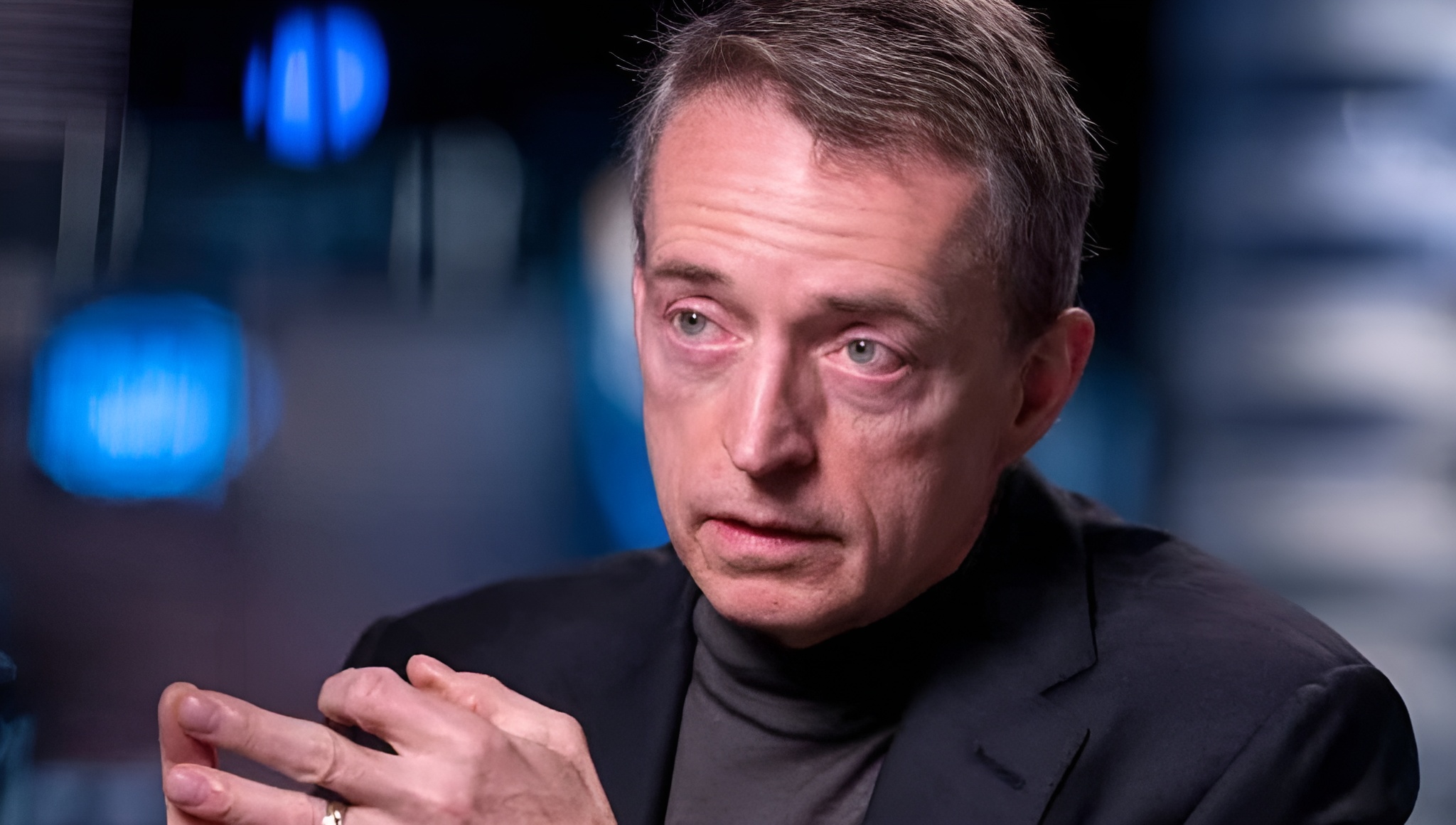
Pat Gelsinger, Intel’s former CEO, has recently shared the unexpected turn of events surrounding his resignation, revealing that it wasn’t a voluntary decision. Renowned for his influential role over four years, Gelsinger spearheaded the ambitious “IDM 2.0” strategy, aiming to revolutionize Intel’s chip manufacturing by integrating both internal and external foundry operations. He envisioned Intel challenging competitors like TSMC in the coming decade. However, his tenure ended before these goals could be fully realized.
Speaking at the Playground Global conference in Tokyo, Gelsinger expressed his frustration with the abrupt decision. “The decision to step down from Intel was extremely difficult. I wanted to finish what I started, but as you know, I was not given the opportunity,” he stated. Though he didn’t specify who influenced his departure, speculation points to Intel’s board of directors and possible disagreements over the foundry’s direction.
Under Gelsinger’s leadership, Intel’s consumer segment faced challenges, while the foundry division struggled with financial losses and declining market reputation. Despite launching several nodes under the “5N4Y” strategy, many didn’t capture market interest, remaining confined within Intel. Gelsinger had high hopes for the 18A process, but his departure meant he wouldn’t see its launch.
With Lip-Bu Tan now at the helm, Intel is shifting gears. The new leadership is initiating structural changes, including significant layoffs and increased collaboration with third-party foundries, to revitalize the foundry division. As Intel prepares for mass production of the 18A process, it will be interesting to see the legacy of Gelsinger’s groundwork unfold.


