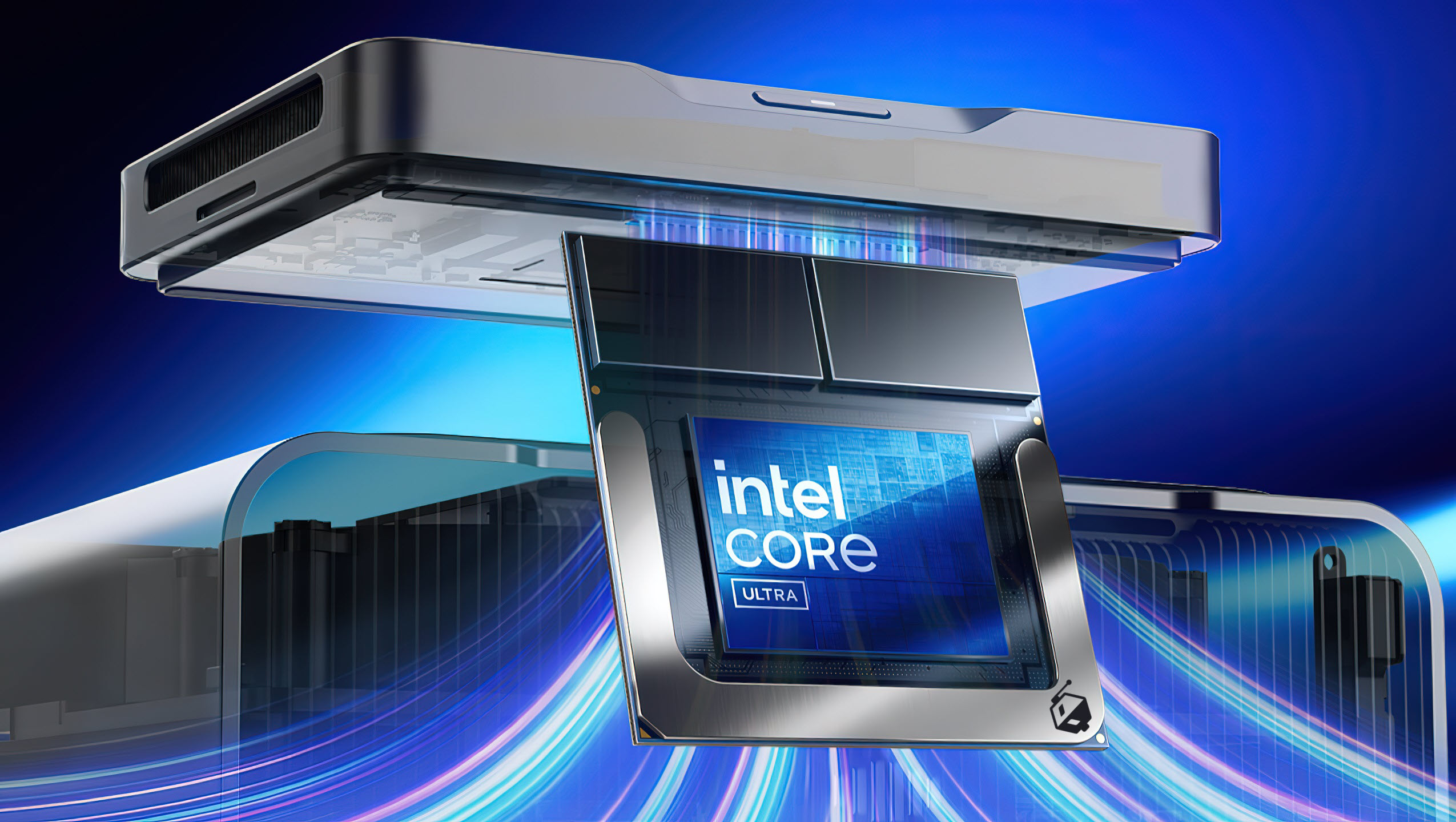
Intel’s “Lunar Lake” mobile platform has emerged as a powerhouse in AI-focused performance for consumer devices, outpacing alternatives from AMD and Qualcomm.
In the competitive world of laptops, Intel has made remarkable advancements with its recent releases, including the Lunar Lake and Meteor Lake platforms. These innovations not only pushed performance boundaries but also set the stage for enhanced “AI performance” benchmarks. With the introduction of advanced NPU engines, Intel has taken the lead in AI processing power. Recent benchmarks highlighted at Computex 2025 underscore Intel’s continued dominance in this arena.
The Intel Core Ultra 200V “Lunar Lake” series stands out as the company’s most efficient mobile SoC to date. It offers unparalleled AI capabilities and top-tier integrated graphics support. When it comes to power efficiency, Intel’s platform surpasses Qualcomm’s Snapdragon X Elite SKUs, showcasing longer battery life by more than three hours during typical tasks like Microsoft Teams and Microsoft 365.
Intel’s tests also demonstrated the superiority of its “Lunar Lake” Core Ultra 7 258V against AMD’s “Strix Point” Ryzen AI 7 350 and the Snapdragon X1E-78-100. Across various AI benchmarks, including Procyon AI CV and Geekbench AI, Intel’s high-end SoC consistently outperformed its mid-tier competitors, especially in configurations such as INT8, FP16, and FP32.
By focusing on AI performance, Intel has positioned itself as a leader, thanks to its powerful NPU technology. This advantage is expected to grow with the upcoming Panther Lake SoC, slated for consumer release in the first half of 2026, promising even greater performance breakthroughs.