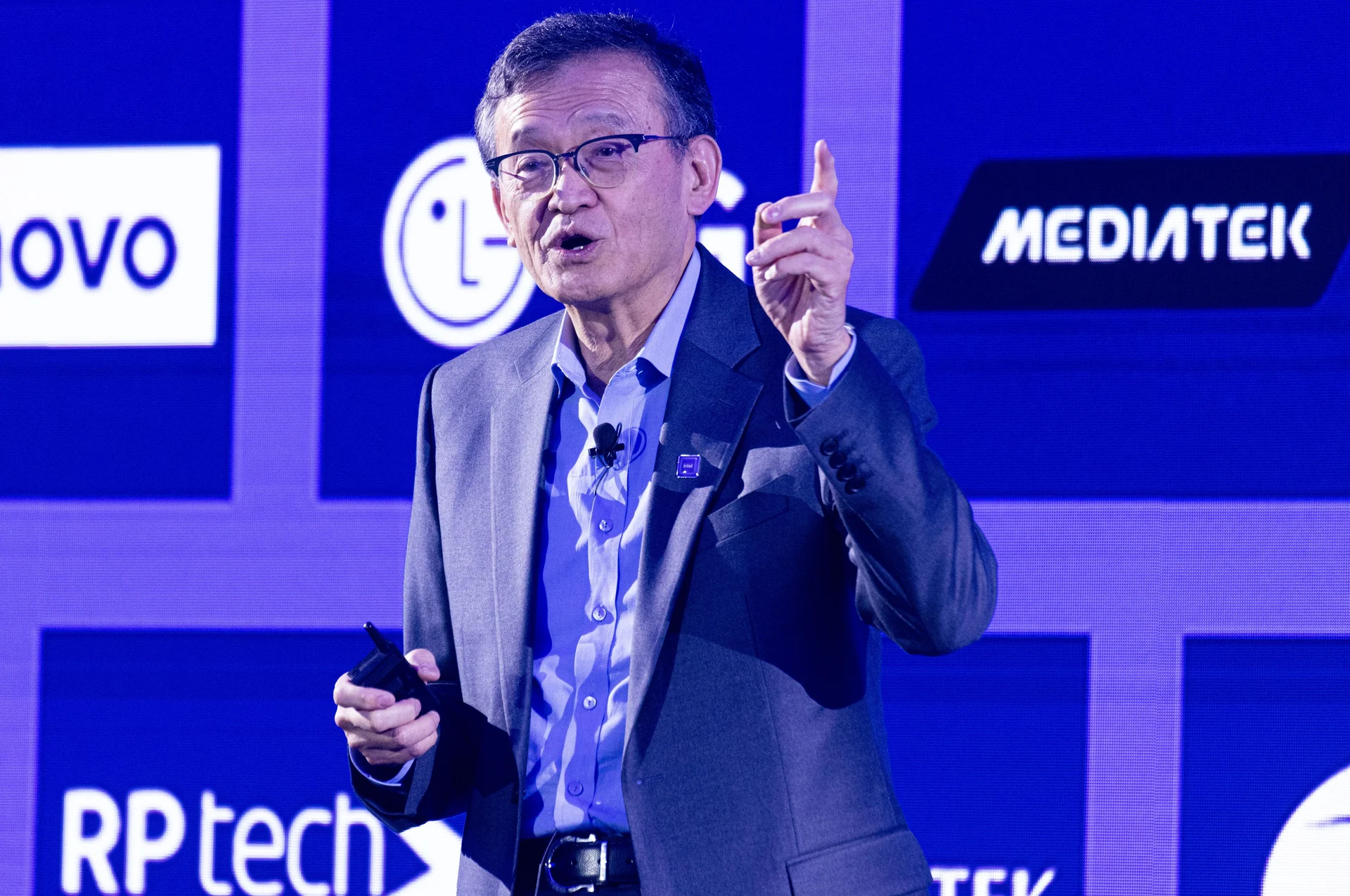
Intel’s new chief executive, Lip-Bu Tan, isn’t sugarcoating the company’s recent history. He freely admits Intel made costly mistakes and moved too slowly just as the industry shifted to new “big waves” like artificial intelligence. Yet his message is clear: the company is rebuilding with urgency, focus, and a long-term plan to win again.
Tan stepped into the role in March 2025 facing a once-iconic brand weighed down by bureaucracy and missed opportunities. He chose the job because he believes Intel remains vital—technologically, economically, and strategically—and because the turnaround is achievable with sharper execution and a culture reset. That reset starts with a flatter management structure, faster decision-making, and what he describes as an aggressive commitment to AI and consumer computing.
Under Tan, Intel is pairing calculated bets with bold new ventures. The company is leaning into an XPU strategy—bringing together CPUs, GPUs, and specialized accelerators—to serve modern workloads. It is also collaborating with NVIDIA on x86 IP for emerging use cases, a pragmatic move aimed at widening Intel’s relevance across data centers and AI infrastructure. On the manufacturing side, Tan acknowledges the pressure that came with taking over Intel’s foundry business. His goal is to build a resilient, technology-forward foundry that strengthens national and global supply chains for AI-era computing, positioning Intel Foundry Services as a cornerstone supplier for next-generation chips.
Crucially, Tan isn’t just talking about AI; he’s personally steering the company’s AI strategy. Intel has committed to an annual product cadence designed to keep pace with rapidly evolving hardware and software needs. The approach signals that Intel understands the tempo of the AI market and intends to meet it with consistent, measurable progress.
None of this will transform the company overnight. Tan frames Intel’s comeback as a multi-year journey, one grounded in curiosity, speed, and purpose. The company that once set the rhythm of Moore’s Law is aiming to regain that leadership by focusing on what matters most now: nimble execution, meaningful partnerships, robust manufacturing, and a clear roadmap for AI.
The acknowledgment of past missteps, combined with concrete changes in structure, strategy, and product timing, suggests Intel is serious about its next chapter. The path is long, but the direction is finally clear.