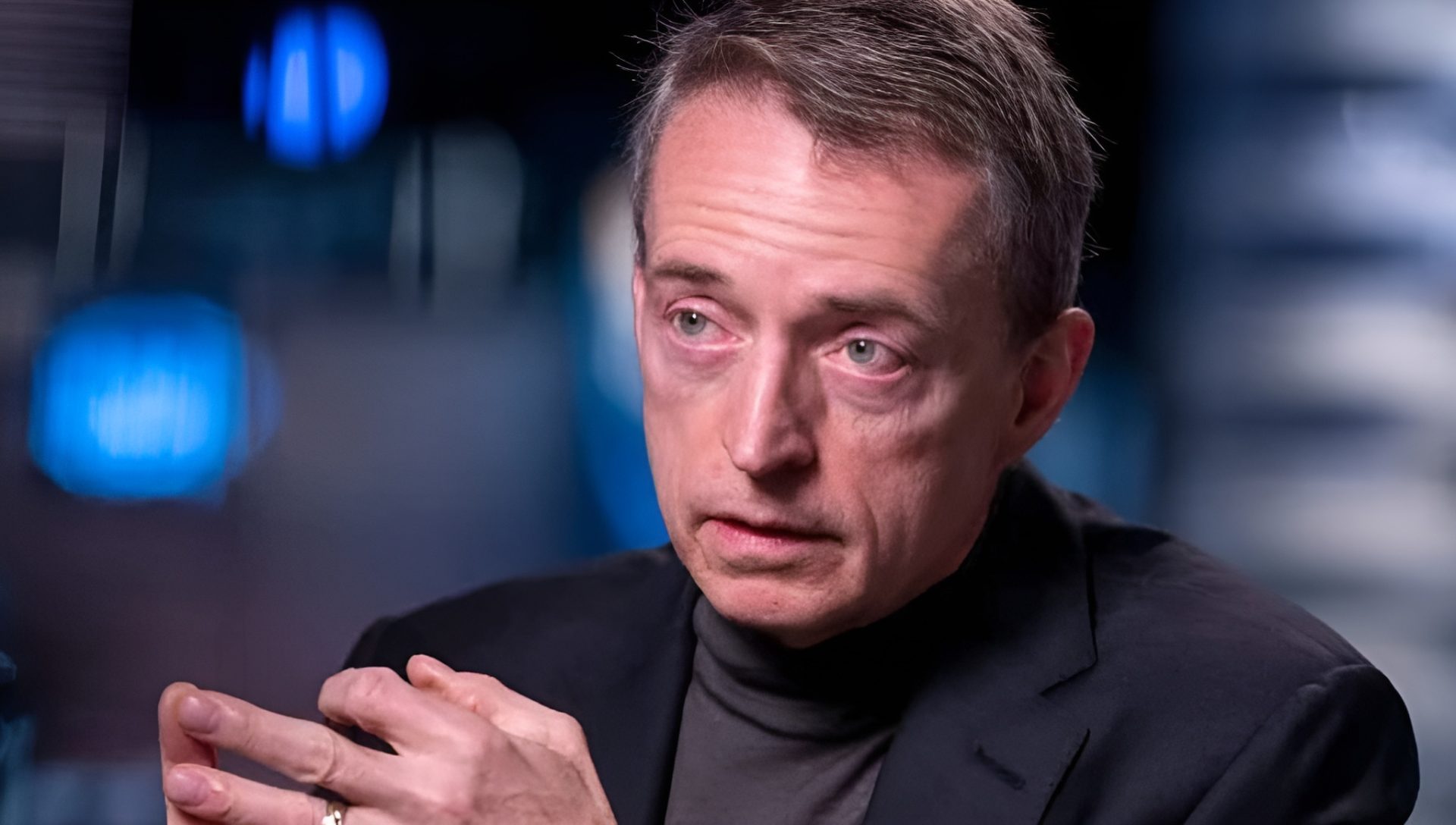
Intel’s former CEO Pat Gelsinger is looking back on his time running the company with a mix of pride and frustration—and he’s clear about what he believes got in the way. In recent remarks, Gelsinger argued that Wall Street’s focus on near-term profits and high margins made it far harder to pursue the kind of long-horizon, capital-heavy manufacturing rebuild he wanted for Intel and for US chipmaking more broadly.
Gelsinger’s central point is simple: advanced semiconductor manufacturing doesn’t fit neatly into the quarterly-results mindset. Building and equipping new fabs can take years before generating meaningful returns, and he says the current incentive structure in US markets punishes executives who make decade-long bets—even if those bets are strategically vital. In his view, this short-term pressure undermines national goals aimed at strengthening domestic supply chains, especially as government initiatives push for more chips to be made on US soil.
Those comments land against the backdrop of a turbulent period for Intel. During Gelsinger’s tenure, the company’s market value fell sharply over time, and Intel posted its largest-ever quarterly loss, reported at $16.6 billion. Investor frustration grew louder when Intel cut its dividend by 66%, dropping from 36.5 cents per share to 12.5 cents. Gelsinger tied these painful moves to what he saw as necessary spending to advance Intel’s turnaround plan and expand its foundry ambitions under the “IDM 2.0” strategy—essentially repositioning Intel to both design and manufacture competitively again, while aiming to become a serious contract manufacturer for outside customers.
Gelsinger also used the moment to criticize the era before his return, suggesting Intel had leaned too heavily on what he called “financial engineering.” He implied that prior leadership prioritized stock buybacks and dividends to support shareholder returns, rather than pouring capital into new factories and keeping manufacturing leadership intact. He claimed Intel had returned around $70 billion to Wall Street over time, and that the company didn’t build a single factory with that money—an accusation meant to underscore what he sees as misplaced priorities.
He also pointed to the COVID-era PC boom as a misleading tailwind. Demand for PCs surged and made the business look healthier than it truly was, he said, while Intel’s manufacturing execution continued to struggle. According to Gelsinger, Intel went from a two- to three-year process technology lead to a two- to three-year lag, after years of failing to deliver new chips on schedule. In his framing, the company had effectively redirected capital away from the long-term manufacturing investments required to stay ahead.
Despite all that, Gelsinger still expressed confidence that the engineering-first approach can work—highlighting progress with Intel’s 18A process as validation that the long game matters. He also signaled optimism about Intel’s current CEO, Lip-Bu Tan, saying Tan appreciates the direction Intel foundry efforts have taken and plans to continue along a similar strategic path. Gelsinger said Tan has indicated the broad strategy hasn’t changed, even if execution priorities evolve.
Under Tan, Intel appears to be sticking to the foundry roadmap, but with a more immediate emphasis on cost-cutting and financial discipline—an approach that has helped reassure shareholders. At the same time, growing attention from major industry players and the US government has reinforced a message Gelsinger has long pushed: if America wants serious semiconductor manufacturing capacity at home, it has to support both front-end chip production and back-end packaging with sustained, long-term investment.
Even if Intel’s newest nodes, including 18A and 18A-PT, are shaping up to be competitive or close to rival offerings, the next hurdle is scale. Ramping capacity is expensive, and Intel’s biggest constraint now appears to be customer commitments. Tan has stated that additional investments in production lines will depend on real customer orders materializing, and so far there haven’t been official disclosures detailing large external production volumes.
Intel’s most immediate upside may be in enterprise hardware—particularly server CPUs—but capacity limitations complicate the opportunity. The company may need to juggle supply between consumer and enterprise products, or continue outsourcing certain volumes to external foundries to meet demand. That balancing act will likely define Intel’s near-term reality: the market opportunity is enormous, but the company’s ability to execute consistently and scale production will determine whether Intel Foundry can truly capitalize on it.
In the end, Gelsinger’s message is less about a single company and more about the economics of manufacturing leadership. He’s arguing that chipmaking supremacy is built on long-term capital commitments, patient strategy, and the willingness to endure years of investment before results show up on the balance sheet. Whether Intel’s current leadership can deliver that outcome—while also satisfying the market’s demand for discipline—will be one of the most important stories in the semiconductor industry over the next few years.