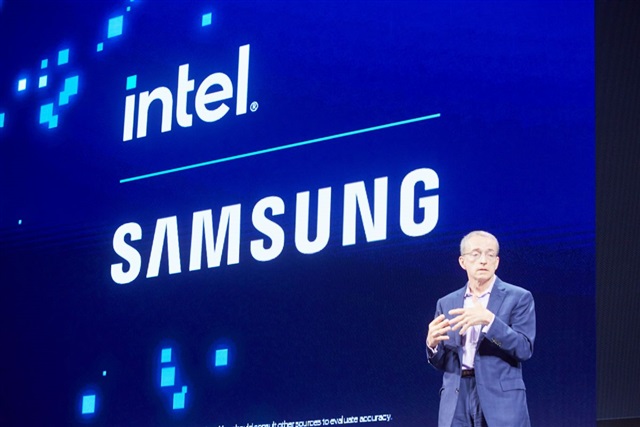
Nvidia and AMD, two major US clients of TSMC, have recently signaled intentions to broaden their chip manufacturing partnerships. This intriguing move has sparked considerable interest within South Korea’s tech sector, highlighting a potential opening for Samsung Electronics.
The tech world is abuzz with speculation, given that these partnerships could significantly influence the dynamics of the global semiconductor landscape. For Samsung, which has long aspired to strengthen its position in the semiconductor market, this might be a golden opportunity to expand its footprint and forge new collaborations.
Observers in the industry are keenly watching how this potential shift will unfold. While TSMC has been a dominant player in the chip-making arena, the move by Nvidia and AMD to explore other partnerships could shake things up considerably. For Samsung, this scenario not only represents a promising business venture but also a strategic chance to make significant inroads in a highly competitive field.
The underlying motivations for Nvidia’s and AMD’s decision include the desire for more resilient and diversified supply chains, especially in the wake of global disruptions that have affected tech manufacturing across the board. By expanding their partnerships, these tech giants aim to ensure stability and flexibility in their production processes.
For Samsung, engaging with such high-profile tech companies could enhance its technological prowess and market reach. Industry experts are eager to see if Samsung can leverage this opportunity to bolster its semiconductor division and become a more formidable competitor in the industry.
In conclusion, with Nvidia and AMD contemplating broadened partnerships for chip manufacturing, the South Korean tech scene holds its breath. This development not only promises to redefine existing business relationships but also presents Samsung with a unique chance to reaffirm its ambitions in the global semiconductor market.