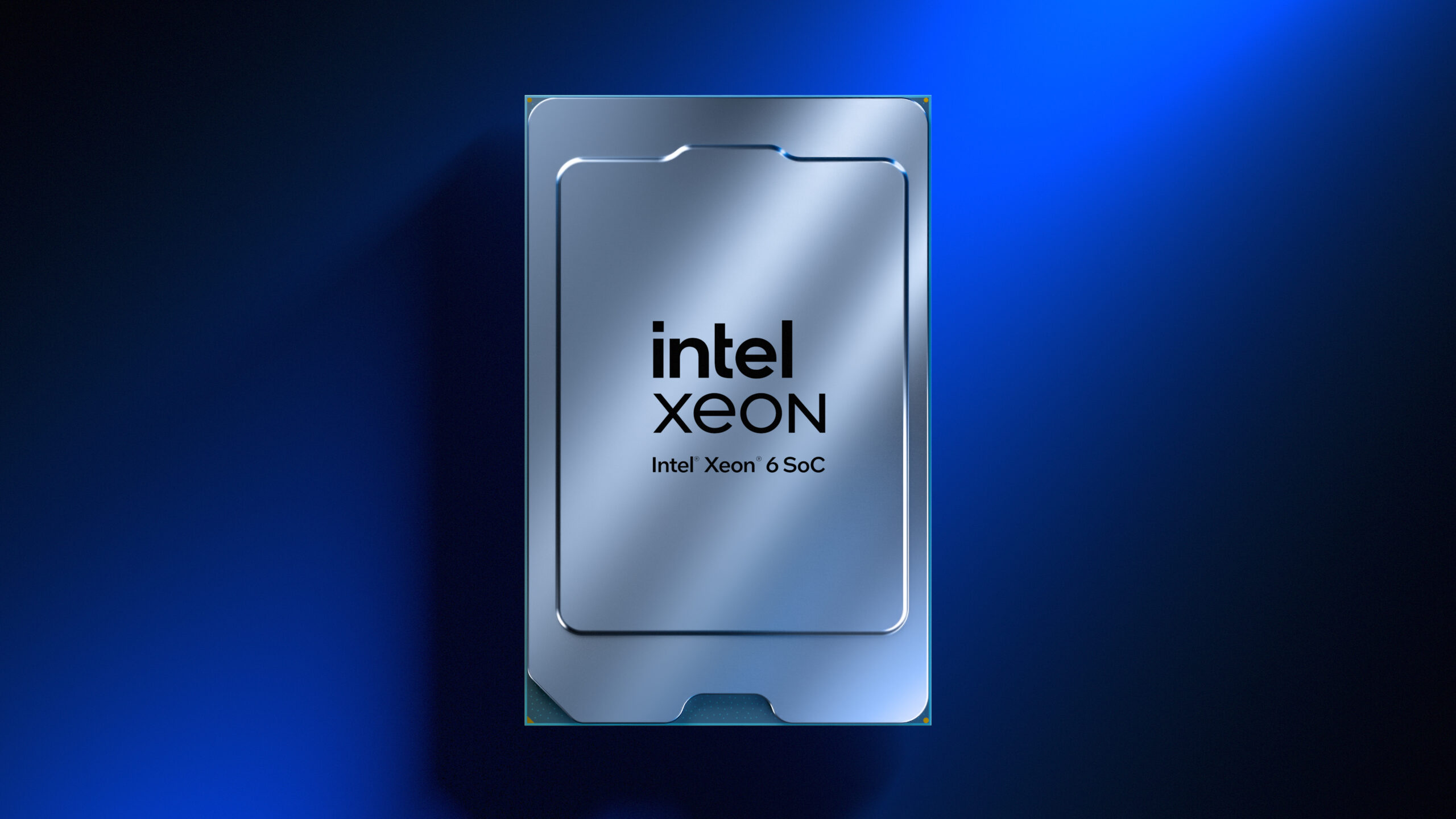
Intel’s cutting-edge Xeon 6 “Granite Rapids” server CPUs are taking the telecom world by storm, transforming how leading operators harness AI and network capabilities. With AI integration and efficiency at their core, these processors are optimized for performance, attracting widespread adoption in the telecommunication industry.
At the upcoming MWC 2025, Intel, alongside over 50 partners and clients, will present revolutionary solutions that combine AI capabilities and exceptional performance, effectively reducing the need for additional, costly hardware while enhancing the overall cost-effectiveness.
One standout feature of Intel’s new processors is their ability to enhance radio access networks through their Xeon 6 SoC, specifically designed for network and edge applications. These processors integrate AI acceleration using Intel Advanced Vector and Matrix Extensions, delivering up to 3.2 times the performance of previous generations. With an impressive throughput of up to 200 gigabits per second, these processors offer robust connectivity through eight integrated Ethernet ports.
The improvements in architecture and capacity mean network operators can significantly reduce server footprints, allowing more capacity with fewer servers. This consolidation leads to greater cost-optimization and performance. The processors also feature the industry’s first integrated media transcode accelerator, dramatically improving video transcoding efficiency, which is crucial for real-time video services.
Security is another key focus, with Intel Xeon 6 SoCs providing advanced features that ensure more secure connections across the entire edge-to-cloud network ecosystem.
The partnerships with major telecom players demonstrate Intel’s influence on the vRAN and open RAN innovation. Companies like Vodafone, AT&T, Samsung, Verizon, and Ericsson are already leveraging these advancements:
– Vodafone is showcasing the competitive edge of Intel-powered OpenRAN deployments.
– AT&T, in collaboration with Ericsson and Intel, is working on building a highly open and reliable RAN network.
– Samsung employs Xeon 6 to boost AI integration and energy efficiency.
– Verizon enhances its 5G capabilities with virtualized RAN using Intel technology.
– Ericsson has successfully industrialized and made the first Cloud RAN call with Xeon 6, in partnership with Dell servers.
Furthermore, telecom operators like Rakuten Mobile, Reliance Jio, SK Telecom, and TELUS are embracing 5G technologies supported by Intel Xeon processors to drive smarter and more flexible networks.
The new processors mark Intel’s commitment to a sustainable future, as they’re equipped with E-cores to bolster 5G core vendors and telecom operators. The processors are designed to lower energy consumption, minimizing hardware footprints while maintaining high performance. Innovations from partners like Nokia and Samsung showcase significant improvements in energy efficiency and performance using Intel Xeon 6.
Intel’s future-ready approach is also evident in the modern advancements in Ethernet, with new product lines like the E830 and E610 offering up to 200 Gb of bandwidth and specialized networking capabilities for real-time applications.
In summary, Intel’s Xeon 6 processors are elevating the telecommunication landscape, creating energy-efficient, high-performance solutions that are widely embraced by industry leaders. This marks a significant step towards a more sustainable and technologically advanced network future.


