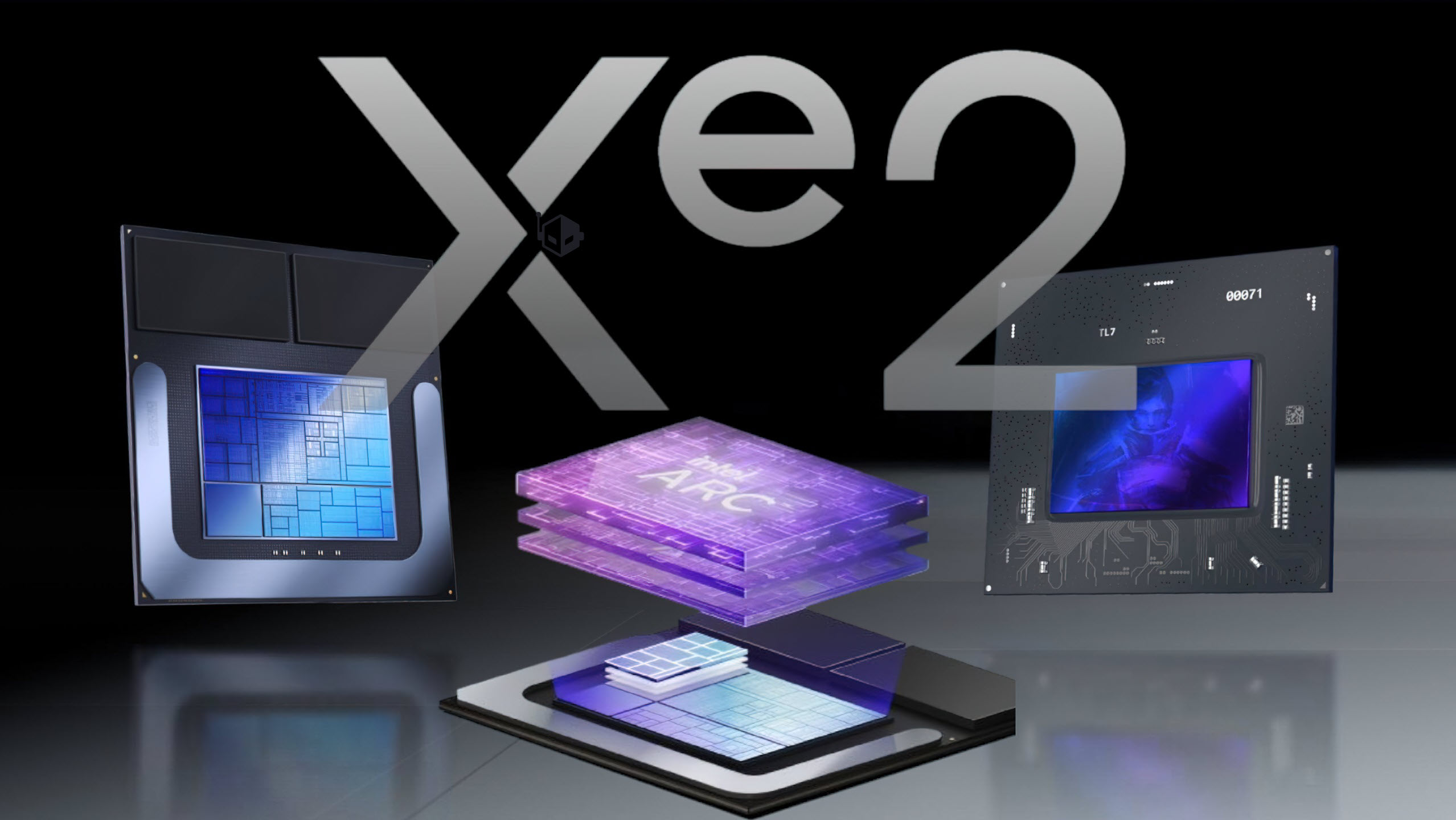
Intel recently gave a glimpse of its next-generation graphics technologies during a Technology Tour in Taipei, where they demonstrated the capabilities of their upcoming Lunar Lake CPUs equipped with the Xe2 GPU. The highlight of the event was a gaming demo which showcased F1 24, a title optimized for Intel’s XeSS technology, running smoothly at 60 frames per second with ray tracing enabled.
The F1 24 gameplay was an impressive showcase of Intel’s graphics prowess, executed on an unnamed Lunar Lake CPU integrated with the Xe2 GPU architecture. The settings for the demo were pegged to High at 1080p resolution, with ray-tracing shadows and XeSS Performance modes active, still efficiently operating within a 17W power budget, thereby indicating significant efficiency improvements in the new chips.
Adding weight to the demonstration of the Xe2’s capability, additional benchmarks published by third parties compared Intel’s Lunar Lake chip with competitors, highlighting its comparable performance while drawing significantly less power. This solidifies Intel’s assertions about the enhanced efficiency brought forward with the Lunar Lake series.
Apart from the demos, conversations at the event also touched on Intel’s journey from its Alchemist series to the forthcoming Battlemage lineup. Intel acknowledged the challenges they faced with the Alchemist at launch concerning API, software, and driver support. However, Intel has made notable progress in addressing these factors, as reflected in their driver updates. The Xe2 architecture promises not only to rectify past compatibility issues but also to deliver improved support for the latest APIs.
Intel’s representative, Tom Petersen, discussed the company’s broader vision for graphics technology, which extends beyond just hardware advances. He expressed excitement over various methods of pixel generation, hinting that Intel’s current foray into XeSS and Frame Gen is just one step in a series of innovations, which could eventually lead to AI-based approaches to graphics rendering. While these transformative GenAI techniques may not be imminent with Xe2 or Battlemage GPUs, they present an intriguing potential for future Intel GPU architectures like Celestial or Druid.
Overall, Intel’s presentation signals not only a step forward for gaming experiences on integrated and discrete GPU systems but also lays the groundwork for ambitious advancements in the field of graphics technology. Enthusiasts and mainstream gamers alike can look forward to potentially transformative improvements in performance, efficiency, and visual fidelity with Intel’s forthcoming offerings.


