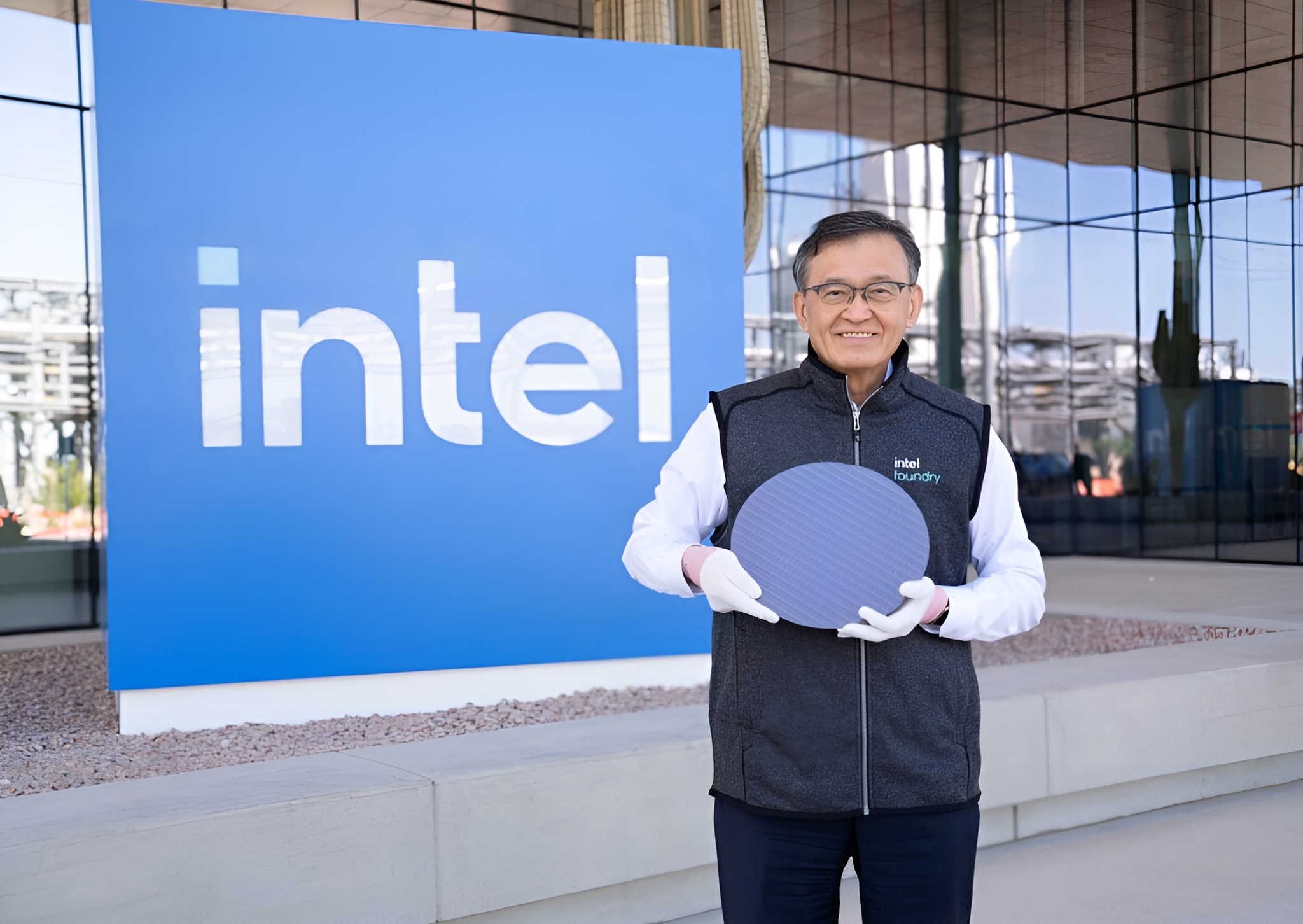
Intel has landed another high-profile U.S. Department of War contract, strengthening its position as a key domestic chip supplier for sensitive national defense projects. Company executive James Chew, Intel’s Vice President of Government Technology, announced that Intel is now an awardee for the Scalable Homeland Innovative Enterprise Layered Defense program, better known as SHIELD.
The SHIELD contract is structured as an IDIQ (indefinite delivery, indefinite quantity) agreement and carries a ceiling value of up to $151 billion, underscoring how large and long-term the program could become. It’s also being described as one of the Department of War’s most ambitious initiatives, with a focus on next-generation defense capabilities where secure and reliable microelectronics are critical.
This new win adds to Intel’s established track record with major government deals. The company previously secured a significant role connected to the “Secure Enclave” program, tied to a contract valued at $3.5 billion. With SHIELD, Intel is again positioned as a trusted provider in a space where supply chain security, domestic manufacturing, and trusted production matter as much as raw performance.
Chew emphasized that Intel’s advantage comes from being the only U.S. semiconductor company conducting leading-edge logic research and development while also manufacturing in the United States. He pointed to Intel’s domestic production capacity, advanced packaging technologies, and a supply chain designed to hold up under mission-critical demands. He also framed Intel’s selection for SHIELD as a continuation of the company’s long-standing involvement in supporting U.S. national security efforts through advanced microelectronics.
While Intel has not disclosed which manufacturing process technologies will be used for SHIELD, defense programs often rely heavily on mature, proven nodes that prioritize durability, reliability, and long lifecycle support. That dynamic could play to Intel’s breadth of manufacturing options. Mature process technologies can also be especially relevant for components such as radio-frequency and analog parts, which are common in defense and communications applications.
The announcement was shared on Chew’s official LinkedIn page, and it gained attention internally as well, with Intel CEO Lip-Bu Tan reportedly engaging with the post. Chew stepped into his government technology leadership role in December, with a focus on aligning Intel’s U.S. chipmaking strategy with government needs and strengthening the country’s semiconductor supply chain resilience. The broader relationship between Intel and the Trump administration has reportedly had fluctuations in the past, but this contract win suggests both sides are currently aligned around shared priorities.
Looking ahead, Intel Foundry’s next major milestone is likely to be expanding beyond government work by securing more external customers for its manufacturing roadmap. Industry discussions have included potential interest from major chip designers, with nodes such as 18A-P and 14A part of the longer-term conversation, though firm public commitments have not yet been confirmed.
With SHIELD, Intel adds another major credential to its government portfolio, reinforcing its role in U.S.-based semiconductor manufacturing and its position in high-security, high-stakes defense technology programs.