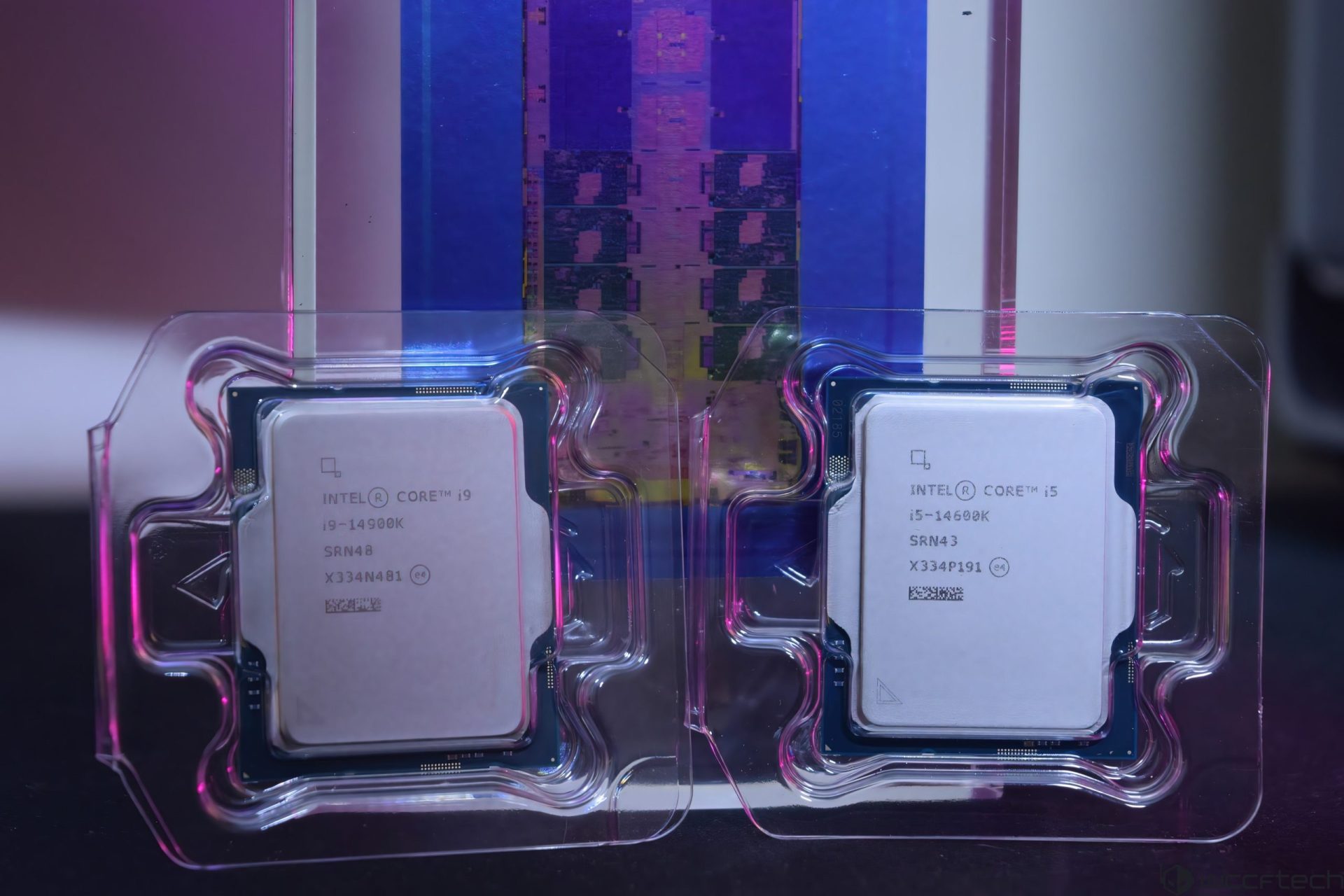
Intel to Keep Raptor Lake CPUs Available as DDR5 Memory Prices Stay High
Intel is preparing to keep its older Raptor Lake processors on the market for years, giving PC builders a more affordable upgrade path as DDR5 memory prices continue to climb. For many gamers, creators, and budget-focused users, the cost of moving to a full DDR5 platform has become one of the biggest barriers to building or upgrading a PC.
The decision makes sense in today’s hardware market. Memory prices have risen sharply, and DDR5 kits that were once becoming more affordable are now significantly more expensive. For users still running DDR4 systems, jumping to a newer DDR5 motherboard and memory kit can add a major cost to an upgrade. Even people who already own DDR5 systems are facing higher prices when trying to expand from 16GB to 32GB or more.
That is where Intel’s Raptor Lake lineup remains important. The 13th Gen and 14th Gen Core processors support both DDR4 and DDR5, depending on the motherboard. This gives PC builders more flexibility than newer platforms that may rely entirely on DDR5. Instead of being forced into a more expensive memory upgrade, users can keep their DDR4 kits and still move to a faster processor.
Intel’s continued support for Raptor Lake also helps keep the LGA 1700 platform relevant. Many users already own compatible motherboards, cooling solutions, and DDR4 memory, so offering more CPU choices for that socket can extend the life of existing systems. For mainstream buyers, that can be far more appealing than paying for a brand-new platform.
Intel has reportedly reaffirmed that Raptor Lake and other older client products will remain part of its desktop lineup for the foreseeable future. The reason is simple: demand for DDR4-based systems has not gone away. Many PC users still want affordable performance, and DDR4 remains cheaper than DDR5 despite its own price increases.
While DDR4 is not as inexpensive as it once was, it still gives budget builders breathing room. A 16GB memory kit is now considered the minimum for modern gaming, while 32GB is increasingly recommended for smoother performance in newer titles, multitasking, and content creation. With DDR5 prices rising, the difference between a DDR4 build and a DDR5 build can be large enough to affect the choice of processor, motherboard, and even graphics card.
Intel is also expected to refresh its Raptor Lake desktop lineup with newer Core 7, Core 5, and Core 3 models. These chips are said to offer up to 20 cores while continuing to work with LGA 1700 motherboards. If priced well, they could become attractive options for users who want a practical upgrade without replacing every major component in their system.
This strategy is not only about budget gaming PCs. It also matters for office desktops, home workstations, student systems, and small business machines. These buyers often care more about value, reliability, and platform longevity than having the latest architecture. By keeping Raptor Lake available, Intel can continue serving a large part of the market that may not be ready to move to newer DDR5-only platforms.
At the same time, Intel is not abandoning its next-generation processors. The company continues to work on newer desktop and laptop CPU families aimed at performance enthusiasts, premium notebooks, and entry-level devices. Its more recent Core Ultra desktop chips have improved in value thanks to price adjustments, promotions, and stronger bundle offers, while future products are expected to target the high-end gaming and enthusiast PC market.
On laptops, Intel is also expanding its newer mobile processor families to reach a wider audience. Premium and entry-level segments are being handled through different product lines, allowing Intel to compete across multiple price brackets. However, the desktop market is currently in a unique position because memory costs can heavily influence platform adoption.
The bigger trend is clear: both Intel and AMD are likely to keep older platforms alive longer than usual. AMD has already extended the life of its AM4 platform with refreshed Ryzen processors, while also offering more affordable options for AM5. Intel’s continued Raptor Lake support follows a similar logic. When memory prices are high, users want more upgrade paths that do not require replacing everything at once.
Industry expectations suggest that elevated memory prices may continue for several years, possibly lasting into the end of the decade. If that happens, DDR4-compatible platforms could remain important far longer than originally expected. Entry-level and mainstream users make up a large portion of the PC market, and neither Intel nor AMD can afford to ignore them.
For PC builders, the takeaway is straightforward. If DDR5 prices are making a new build too expensive, Intel’s Raptor Lake CPUs may remain a practical option. They offer strong gaming and productivity performance, broad motherboard support, and the flexibility to choose between DDR4 and DDR5. That flexibility could make them some of the most relevant processors for value-focused desktop upgrades over the next few years.
As the memory market continues to shift, older does not necessarily mean outdated. In a world where platform costs matter more than ever, Intel’s Raptor Lake lineup may continue to play a key role in keeping PC upgrades accessible.


