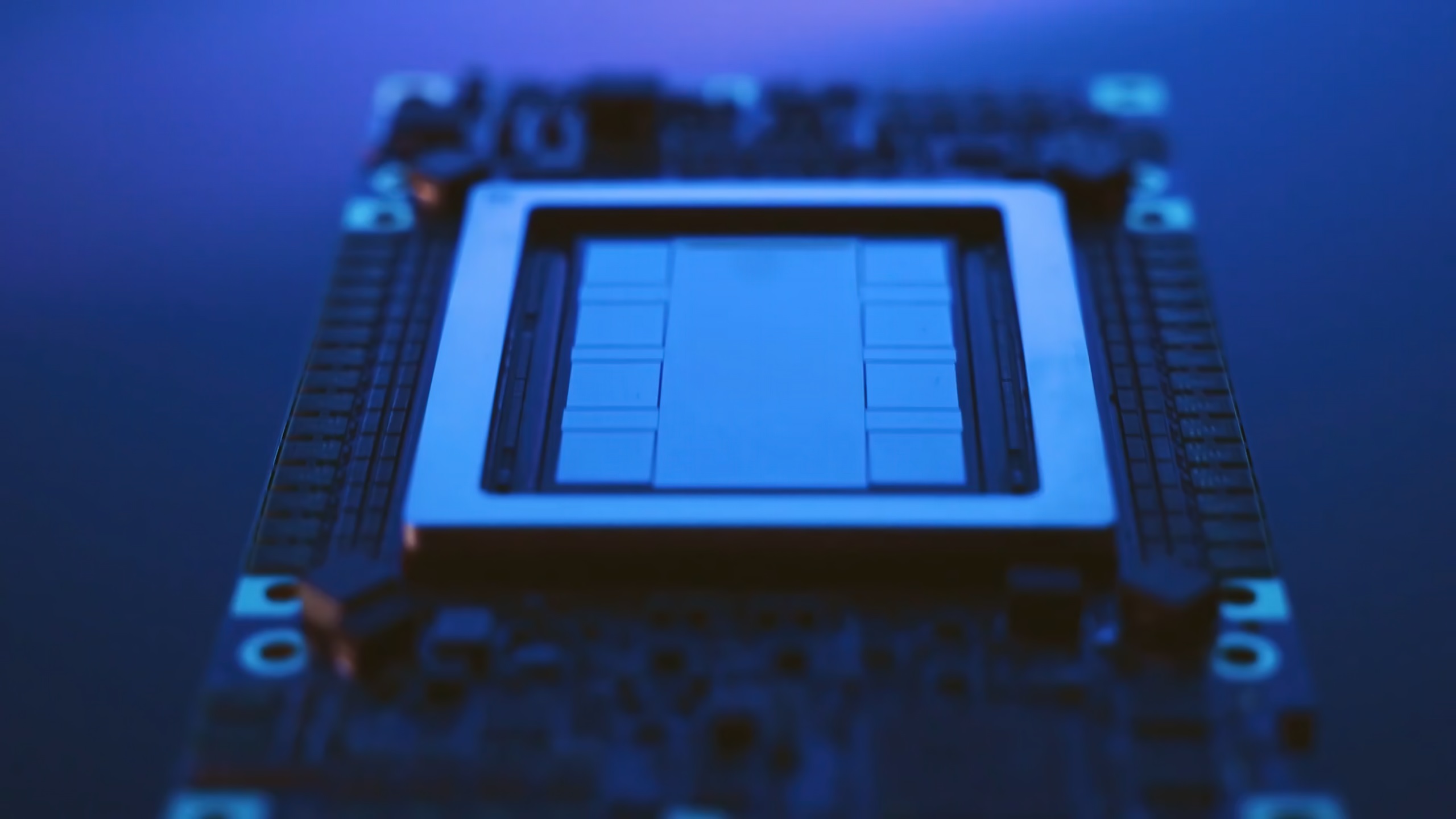
Intel is bolstering its presence in China’s Artificial Intelligence (AI) sector with the upcoming launch of two new Gaudi 3 AI accelerators. Designed with the booming Chinese market in mind, these innovative AI solutions could position Intel as a formidable competitor against the likes of NVIDIA and AMD in this region.
The Gaudi 3 AI accelerators build upon Intel’s 5th Generation Tensor Core architecture and other AI-specific features. This technology has already received positive feedback, owing to its balance of performance and efficiency. Intel’s strategic move includes the Gaudi 3 HL-328 and HL-388 variants, both tailored to align with the stipulations of United States governmental policies regarding trade with China.
From what has been disclosed, these China-centric variations boast a notable reduction in thermal design power (TDP) compared to their standard counterparts, both with a 450W rating for the air-cooled models. This represents a significant decrease from the TDP across the rest of the Gaudi 3 range. Despite this adjustment, the two models continue to offer robust specs, including 128GB of HBM2e memory and a bandwidth of 3.7 TB/sec.
The introduction of these accelerators into the Chinese market raises several points of interest. One critical aspect will be monitoring the actions of the US administration concerning Intel’s sales of this advanced technology within China. Bedeviled by US-China trade complexities, Intel’s potential to innovate may appeal to customers who are seeking dependable and high-performance AI solutions.
If Intel manages to successfully negotiate the complex landscape of international trade and keep up a reliable supply chain, these Gaudi 3 AI accelerators could potentially shift the market dynamics, especially in light of the growing emphasis on domestic technologies in China and recent friction between the Biden administration and companies like NVIDIA.
Although it’s challenging to predict the full impact of Intel’s latest AI offerings in the Chinese market, the company’s dedication to providing cutting-edge technological solutions might just give them the edge they need to carve out significant market share from the established giants in the tech industry. This development could signify a new chapter for Intel’s engagement with AI markets and its competitive stance globally.