Intel May Bring Back Raptor Lake Again as DDR4 Demand Stays Strong
Intel’s Raptor Lake platform may not be finished yet. A new industry rumor suggests that Intel is preparing another refresh of its Raptor Lake processor family, with a possible launch window in early 2027. If accurate, the move would show that Intel still sees strong value in serving PC builders who want affordable DDR4-based systems.
Raptor Lake has already had a long life in Intel’s desktop processor lineup. The original 13th Gen Core chips were followed by the 14th Gen Raptor Lake Refresh, and Intel later continued offering refreshed models under a revised naming structure after the arrival of its newer Core Ultra Series 2 processors. Now, reports indicate that Intel could be planning another return for the platform.
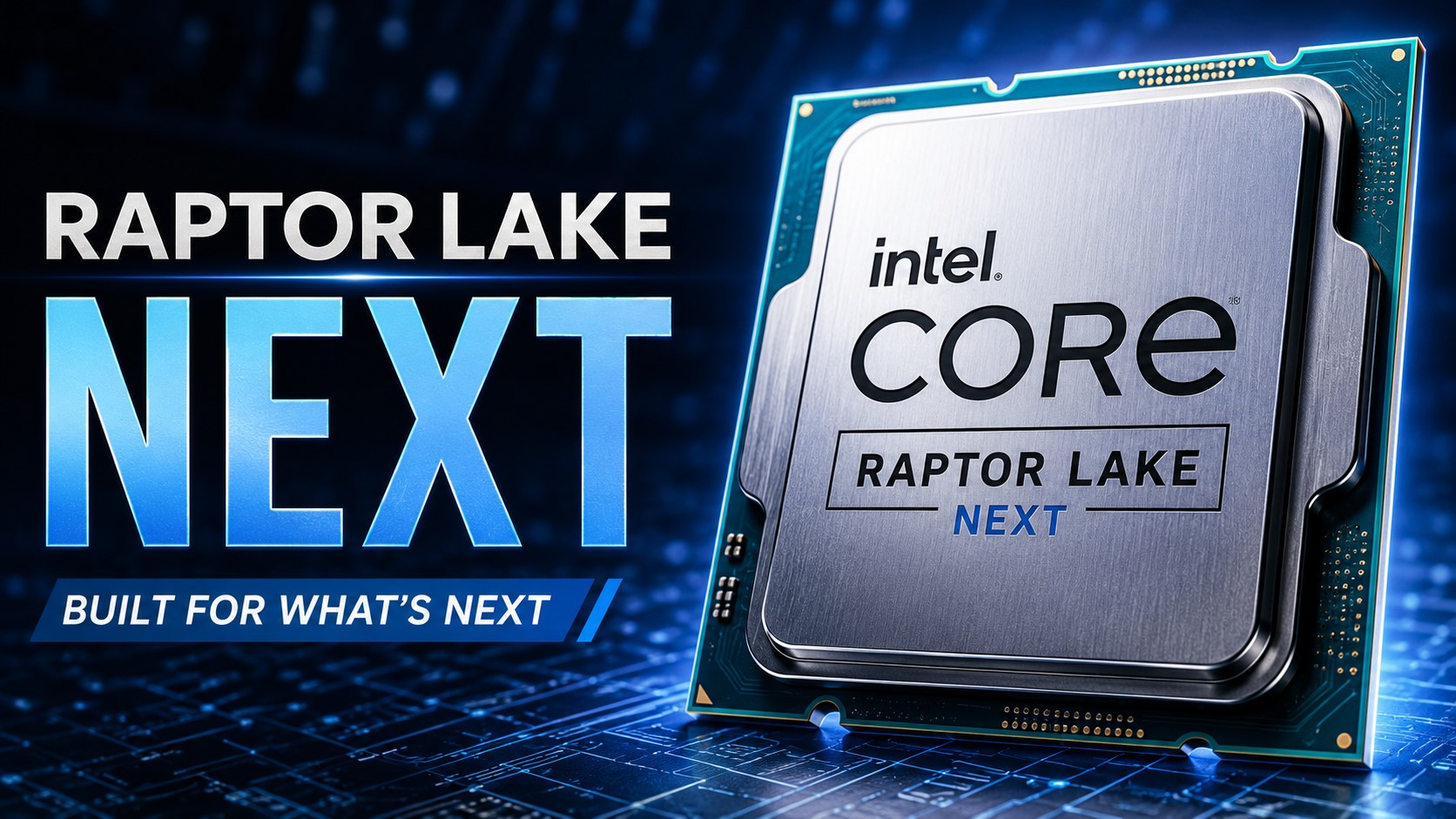
The rumored lineup is being referred to as “Raptor Lake Next,” although that name has not been officially confirmed by Intel. According to industry chatter, this new series could arrive after Intel launches its Nova Lake processors. Rather than replacing Nova Lake, the refreshed Raptor Lake chips may sit alongside it, giving buyers a lower-cost option built around existing DDR4 platforms.
The strategy would make sense in the current PC market. DDR5 memory remains more expensive than DDR4, and newer platforms such as Intel LGA 1851 and AMD AM5 can carry a higher total upgrade cost. For many users, especially budget gamers, office PC builders, and anyone upgrading an older system, DDR4 still offers a practical balance of performance and price.
Motherboard makers are also reportedly increasing production of DDR4-compatible boards, which adds more weight to the idea that demand for older memory platforms remains healthy. If Intel sees continued sales strength from Raptor Lake-based processors, another refresh could help the company serve a segment of buyers that is not ready to move fully to DDR5.
At the moment, it is unclear whether Intel would introduce new processor models with different specifications or simply repackage existing Raptor Lake Refresh chips under a new branding approach. Intel has not officially announced the lineup, so the details should be treated as unconfirmed until the company provides more information.
Still, the broader trend is clear. DDR4 is not going away as quickly as many expected. With DDR5 prices likely to stay elevated for some time, both Intel and AMD appear to recognize that many consumers still want affordable upgrade paths. AMD has also shown renewed interest in extending the life of older platforms, especially where strong gaming performance and lower platform costs remain appealing.
If Raptor Lake Next becomes real, it could give Intel an important advantage in the entry-level and mainstream desktop market. While Nova Lake would target newer DDR5 systems and higher-end builds, another Raptor Lake refresh could appeal to users who want reliable performance without paying for a full platform upgrade.
For PC builders, the potential return of Raptor Lake is good news. More DDR4 processor options could mean cheaper motherboards, lower memory costs, and better value for gaming and productivity systems. As long as DDR5 pricing remains a barrier, Intel may have a strong reason to keep Raptor Lake alive for another generation.