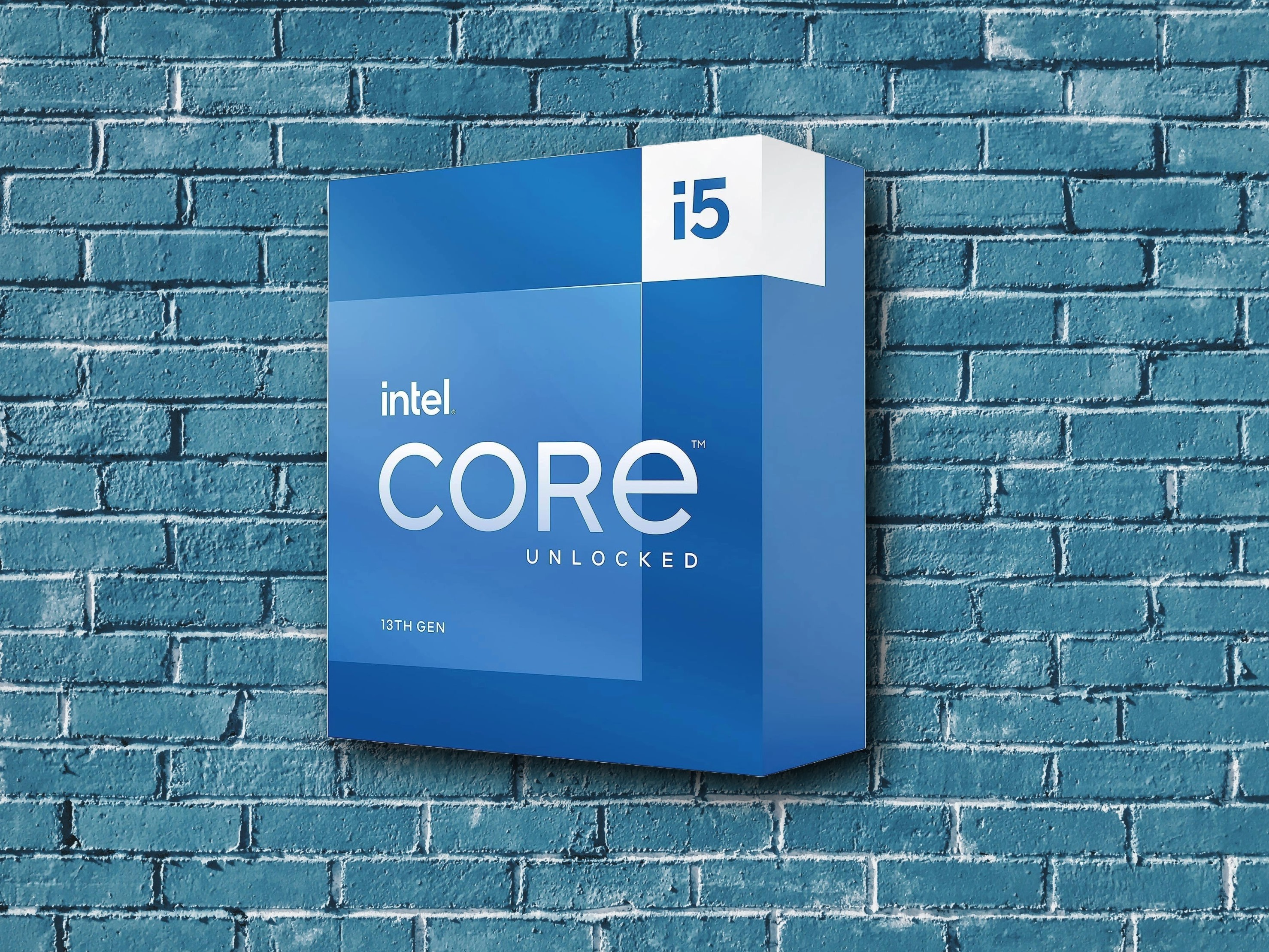
Intel May Boost Production of Older DDR4 CPUs as DDR5 Prices Pressure PC Builders
Intel is reportedly preparing to increase the supply of older Core processors in response to the ongoing DRAM shortage, a move that could give PC buyers and DIY builders more affordable options at a time when memory prices are making new systems increasingly expensive.
The global memory crunch has continued to affect large parts of the consumer technology market. For PC enthusiasts, the impact is especially noticeable. DDR5 memory prices have climbed sharply, and SSD costs have also become harder to ignore. As a result, building a capable gaming PC or upgrading an existing desktop has become much more expensive than many buyers expected.
To ease some of that pressure, Intel is said to be turning back to older CPU platforms that support DDR4 memory. These reportedly include processors from the 10th Gen Core lineup through the 14th Gen Core series. By increasing availability of DDR4-compatible CPUs, Intel could help customers avoid the higher cost of DDR5-based systems while still offering solid performance for gaming, productivity, and everyday use.
This strategy is similar in spirit to what AMD has done with popular DDR4-friendly processors such as the Ryzen 7 5800X3D. Even though newer platforms offer the latest features, many users still prefer DDR4 systems because the overall platform cost can be significantly lower. Motherboards and memory kits for DDR4 builds are often easier to find at reasonable prices, making them attractive for budget-conscious gamers.
That said, not every older Intel processor will be equally appealing. The 10th Gen Core chips first arrived in 2019, and desktop CPU performance has improved a great deal since then. Even today’s affordable processors can outperform some older high-end models in certain workloads, especially when it comes to efficiency and newer platform features.
The more interesting part of the reported production increase is the possible wider availability of 12th Gen, 13th Gen, and 14th Gen Intel Core processors. These chips remain highly capable, and many of them support both DDR4 and DDR5 depending on the motherboard. For users who want strong performance without paying premium prices for DDR5 memory, a 12th, 13th, or 14th Gen Intel build with fast DDR4 RAM could still be a very practical choice.
For gaming PCs, this could be especially helpful. A powerful 13th Gen or 14th Gen Core i5, i7, or i9 paired with a good graphics card and quality DDR4 memory can still deliver excellent frame rates in modern games. These processors also remain strong options for content creation, multitasking, streaming, and general productivity.
If Intel does significantly increase supply, buyers may see better pricing on older CPUs and compatible motherboards. That could make DDR4-based PC builds more attractive again, particularly for users who want to upgrade without replacing every major component.
The move also highlights how serious the DDR5 shortage has become. While DDR5 is the future of desktop memory, high prices can slow adoption and push buyers toward proven older platforms. For many users, the best PC upgrade is not always the newest one, but the one that offers the strongest balance of price, performance, and availability.
For now, anyone planning a new gaming PC should compare total platform cost carefully. A DDR5 system may offer better long-term upgrade potential, but a discounted Intel DDR4 build using a 12th, 13th, or 14th Gen processor could provide excellent value if memory prices remain high.