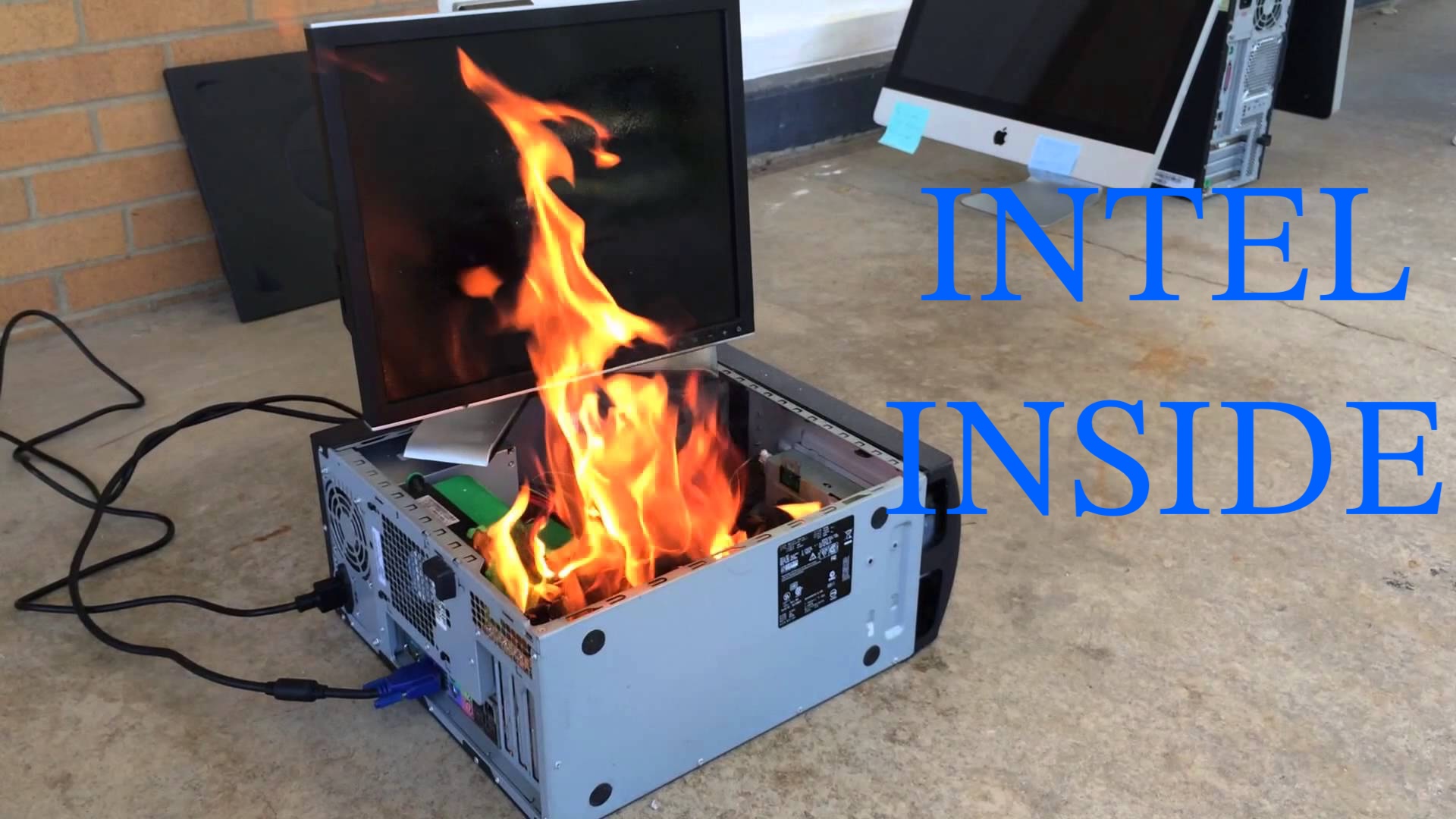
Intel’s recent struggles with its 13th and 14th Gen desktop CPUs have stirred up considerable concern within the tech community. The core of the issue lies in the stability problems reported by numerous users, which has significantly dampened the initial excitement for these new processors.
For consumers looking to build a new desktop, particularly for gaming or content creation, the choices should, ideally, be exciting and straightforward. However, the situation with Intel’s latest CPUs is anything but. Initially, processors like the i5-14600K were thought to be strong contenders in the market, promising to provide robust performance for various tasks. Unfortunately, the potential for instability has rendered them a gamble, causing hesitation among potential buyers and experts alike.
Despite the capability of the i5-14600K and its suitability for heavy workloads, the overshadowing stability issues cannot be ignored. While alternative options, such as the AMD Ryzen 7 7700X, may not have been the first choice for those expecting top-tier performance from the latest Intel chips, they have gained popularity due to their reliability and lack of reported stability concerns. In the current market landscape, trust in product reliability is paramount.
Intel has attempted to address these issues through microcode updates aimed at improving stability, but no definitive fix has been confirmed. This uncertainty only further complicates the decision-making process for consumers and tech influencers who recommend products to their audiences. The reputations of these advisors are on the line; recommending an unstable processor is no minor matter.
The extended warranties offered by Intel, while appreciated, are little consolation in the face of a crisis rooted in trust and reliability. The tech community is watching closely to see if Intel can rectify these problems with transparency and efficiency moving forward.
For now, users seeking a reliable CPU have turned their attention towards alternatives like the aforementioned AMD Ryzen 7 7700X, which currently stands as a stable option in comparison, boasting a price tag around $273.
Intel’s situation serves as a cautionary tale in the tech industry: The handling of product issues is as critical as the performance of the products themselves. In an age of open communication and social media, responsiveness and transparency are key to maintaining customer trust and loyalty. Consumers value a company that acknowledges issues promptly and works diligently towards resolution.
Those tracking the developments of Intel’s CPU stability debacle are eager to see how the company responds. Will they be able to restore confidence among their customers and regain their footing in the competitive CPU market? Only time, and Intel’s actions, will tell.