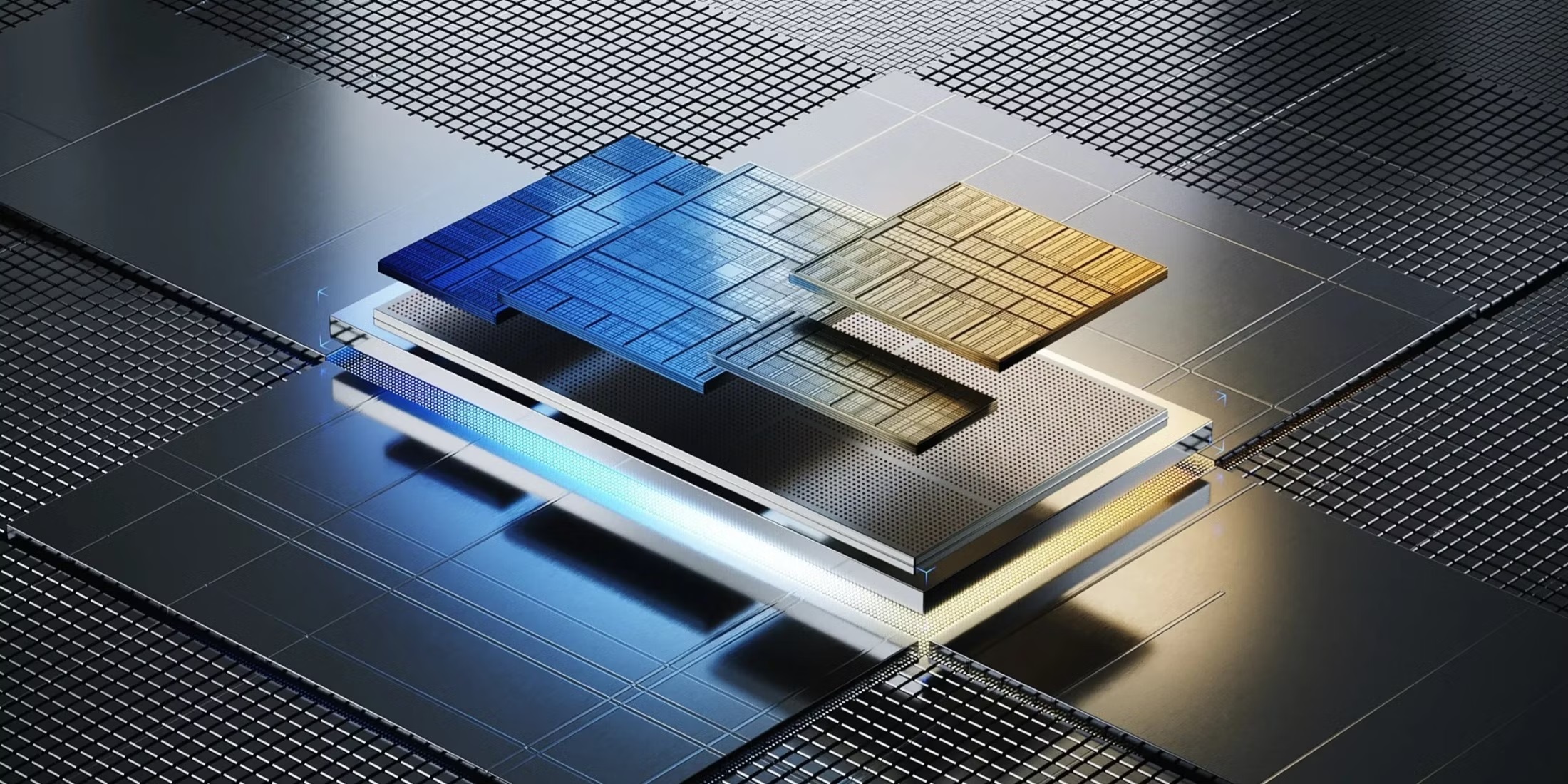
Intel’s long-running hybrid CPU formula, built around a mix of Performance cores (P-cores) and Efficiency cores (E-cores), may be headed for a major shake-up. New signs from inside the company suggest Intel is actively exploring a “unified core” strategy—an approach that could eventually replace today’s dual-microarchitecture designs with a single, scalable core platform.
Recent Intel job listings point to a dedicated internal group described as a “Unified Core” team. Just as importantly, the role appears focused on pre-silicon work, meaning the project is still in the planning and early engineering phase rather than something ready to ship soon. Still, the existence of a specialized team adds weight to the idea that Intel is seriously considering a future beyond the current P-core/E-core split.
So what does “unified core” actually mean? In simple terms, it’s a move away from juggling multiple types of CPU cores—such as P-cores, E-cores, and low-power efficiency cores—and toward building processors around one core microarchitecture that can scale across performance targets. The concept of simplifying to one “big core” design has surfaced before in industry discussions, but job activity like this suggests Intel is now investing resources to investigate how it could work in real products.
There’s also chatter that Intel’s upcoming Arctic Wolf efficiency cores—expected to appear in the Nova Lake era—could represent the last major E-core generation before a broader transition to a unified approach. While nothing is confirmed, the broader narrative is that Intel is evaluating whether maintaining multiple core families is the best path forward as chip design constraints tighten.
Why would Intel want to do this? A key advantage often cited is better Performance Per Area (PPA). As process scaling becomes more difficult and expensive, fitting more cores onto a chip isn’t as straightforward as it used to be. Supporting multiple microarchitectures can introduce trade-offs in die space, validation complexity, scheduling behavior, and long-term platform development. A unified core platform could, in theory, help Intel maximize what it can deliver within the same silicon area—while also simplifying how core counts and performance tiers are scaled across different products.
The idea isn’t happening in a vacuum, either. Some system-on-chip designers have already tested the “all big core” philosophy, with MediaTek’s Dimensity 9300 often brought up as a notable example of moving away from traditional big-little layouts. AMD’s Zen 5 and Zen 5c pairing is sometimes mentioned in similar conversations, although it’s not a pure unified-core model in the strictest sense.
As for timing, any Intel shift to a true single-core microarchitecture design appears to be years away. Current speculation places the pivot much later in Intel’s roadmap, potentially around a generation known as Titan Lake, which is said to arrive after multiple upcoming families—including Razer Lake (the successor to Nova Lake). If that timeline holds, a realistic window for a unified-core Intel CPU could be in the 2028–2029 range, with 2030 also possible depending on development pace and market demands.
For now, the biggest takeaway is that Intel is exploring a future where hybrid CPU designs may evolve into something simpler, more scalable, and potentially more efficient from a silicon standpoint. It’s early, but the groundwork appears to be underway.