The buzz in the tech world is at an all-time high with Intel’s upcoming Core Ultra 200S desktop CPUs, particularly in relation to the cooling solutions required for these powerhouses. The tech giant has thrown a curveball as these new processors will feature a slightly adjusted hotspot, positioned more northward on the Integrated Heat Spreader (IHS) compared to their predecessors. This change has led to questions about whether existing cooling solutions will need to be completely overhauled.
The good news, as clarified by MSI, is that a complete redesign won’t be necessary. Instead, specialized “offset mounts” will suffice for adapting existing cooling systems. While the LGA1700 and LGA1851 sockets share identical mounting hole placements, allowing for backward mechanical compatibility with LGA1700 coolers, users must still check with their thermal solution providers to ensure proper thermal and power compatibility.
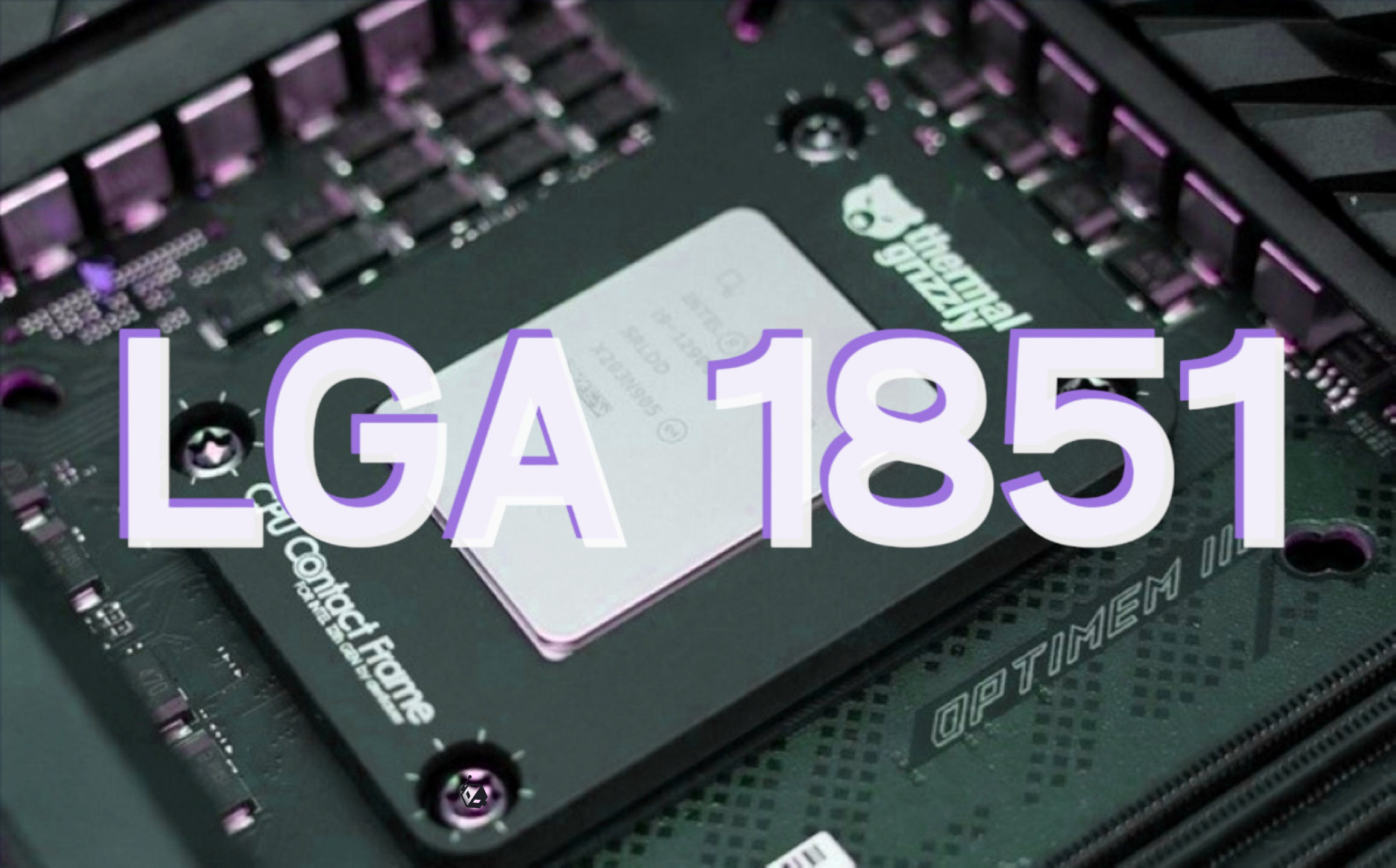
However, there’s a twist—contact frames from third-party companies, such as Thermal Grizzly and Thermalright, originally designed for the LGA 1700 socket, won’t align correctly with the new Core Ultra 200S CPUs. The subtle size increase in the LGA 1851 socket creates a small gap with the CPU’s IHS, affecting the contact frames’ effectiveness. This bump in size isn’t overtly visible at first glance, but it is significant enough to impact performance.
In a bid to counteract this design shift, Intel has introduced the “Reduced Load” Integrated Loading Mechanism (ILM), which is designed to be flatter than traditional loading mechanisms. This innovation might mitigate the minor height difference between current contact frames and Intel’s latest CPUs. Additionally, manufacturers like MSI, Arctic, and Noctua are helping users navigate this transition by offering offset mounts and compatibility lists for their cooling solutions. This support ensures older coolers can still retain their efficacy on the new LGA 1851 socket.
Intel’s Core Ultra Desktop Processors (Series 2) also herald the introduction of the LGA1851 socket, which caters to an increased pin count, marking a departure from the LGA1700’s design. Consequently, enthusiasts and users looking to upgrade will need to invest in a new motherboard that supports this specific socket arrangement.
Alongside the socket upgrade, these new processors come paired with Intel’s 800 Series Desktop Chipsets, leaving behind compatibility with older series chipsets like the Intel 700 and 600.
While Intel has ensured that the mounting systems retain some compatibility with the new arrangement, users are advised to verify the thermal compatibility of their setups directly with providers. As manufacturers adapt to these structural changes, tech fans can embrace Intel’s latest releases, eagerly anticipating updates and adaptations that will keep their systems running cool and efficiently.