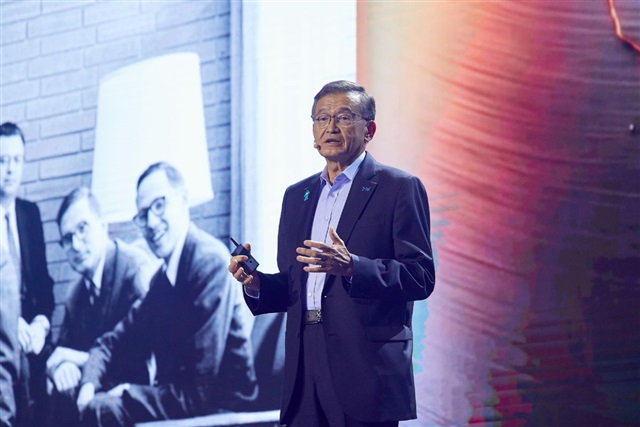
Intel CEO Warns AI Boom Could Trigger a Bigger Memory Shortage in 2027
The rapid buildout of AI infrastructure is putting intense pressure on global memory supply, and the semiconductor industry may be heading toward an even tighter squeeze in 2027. Intel CEO Lip-Bu Tan has warned that the memory shortage expected in 2027 could be more severe than the constraints already anticipated for 2026.
The warning comes as demand for AI servers, data centers, and high-performance computing hardware continues to accelerate. These systems require large amounts of advanced memory to process massive AI workloads, train complex models, and support real-time inference. As major technology companies invest heavily in AI capacity, memory suppliers are facing rising demand that may outpace production expansion.
This growing pressure is not limited to data centers. Higher memory costs are already beginning to affect consumer electronics, including smartphones and laptops. If supply remains tight, manufacturers could face higher component prices, potentially leading to more expensive devices or reduced memory configurations in future products.
Memory has become one of the most important parts of the AI hardware supply chain. While processors often receive the most attention, AI performance depends heavily on fast and abundant memory. As a result, the surge in AI infrastructure is reshaping the broader semiconductor market and creating new challenges for chipmakers, device brands, and consumers.
Tan’s comments highlight a key concern for the tech industry: even as demand for AI computing continues to grow, the supply chain may struggle to keep up. Expanding memory production takes time, significant investment, and careful coordination across global manufacturing networks. If demand continues to rise faster than capacity, shortages could become a defining issue for the industry over the next several years.
For consumers, the impact may show up gradually through higher prices on phones, laptops, and other electronics. For businesses, especially those building AI systems, limited memory availability could increase infrastructure costs and slow deployment plans.
The message is clear: the AI boom is not just driving demand for powerful processors. It is also turning memory into a critical bottleneck, and 2027 could become a challenging year for the entire semiconductor supply chain.