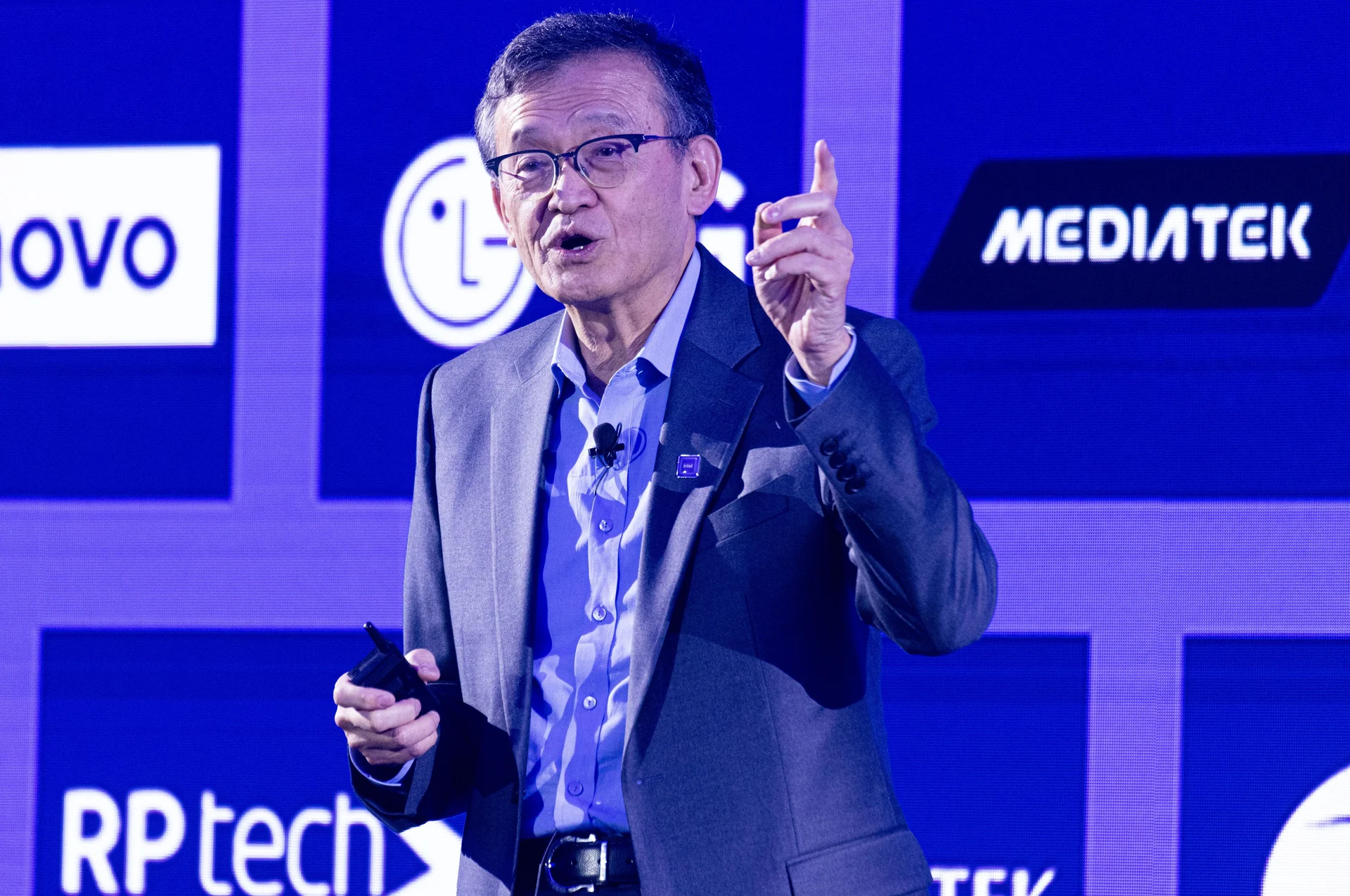
Intel CEO Lip-Bu Tan expects the artificial intelligence boom to keep straining the global hardware supply chain for at least another two to three years, as demand for chips, memory, packaging, and data center infrastructure continues to outpace available capacity.
Speaking at a DBS Bank event in Singapore on October 12, Tan said the AI industry is still facing persistent hardware shortages despite major investments across the semiconductor ecosystem. His comments reflect a broader concern across the technology sector: AI adoption is accelerating faster than the supply chain can comfortably support.
The shortage is not limited to one type of component. While GPUs have been the most visible bottleneck in the AI race, other critical parts of the computing stack are also under pressure. High-bandwidth memory, advanced packaging, server components, and data center capacity are all becoming increasingly important as companies scale up artificial intelligence workloads.
Tan’s remarks come at a time when memory prices have been climbing due to strong AI demand. Advanced packaging technologies, which are essential for connecting high-performance chips and memory in modern AI systems, have also faced capacity constraints. These limitations can slow down deployment timelines and increase costs for companies building large-scale AI infrastructure.
One of the most important shifts Tan highlighted is the growing role of agentic AI. Unlike earlier AI systems that primarily focused on training large models, agentic AI is designed to perform tasks, make decisions, and interact with software environments more independently. This shift is changing the balance of hardware demand.
According to Tan, AI training once required a much heavier reliance on GPUs compared with CPUs, with a typical ratio of around eight GPUs for every CPU. As agentic AI expands, that ratio has moved closer to four GPUs for every CPU. This change suggests that CPUs are becoming more important in AI workloads, especially as artificial intelligence moves from model training into real-world deployment, automation, and inference-heavy applications.
That trend has been beneficial for Intel, which has been working to regain momentum in the data center and AI markets. The company’s Data Center and AI business posted strong annual revenue growth in the second quarter, helped by increasing demand for compute infrastructure tied to artificial intelligence. Tan has emphasized that AI is not only about GPUs, but about the broader computing architecture needed to support large-scale intelligent systems.
Tan also addressed the economics of AI, warning that capital investment alone will not be enough to sustain the sector’s momentum. While companies and governments are pouring huge sums into AI infrastructure, he said the industry must eventually prove that these investments can generate meaningful returns.
Return on investment is becoming a key question for the AI market. Businesses are spending aggressively on servers, chips, cloud capacity, and AI development, but investors are increasingly watching for evidence that these tools can improve productivity, reduce costs, or create new revenue streams. Tan suggested that long-term confidence in AI will depend on whether companies can show clear financial benefits from their AI strategies.
He also commented on the competitive landscape for frontier AI models, including models developed in China. Tan noted that some Chinese AI models have significantly lower token costs, making them cheaper to operate. He added that their performance, when compared with their low operating costs, appears to be satisfactory. Lower token pricing could become an important competitive factor as businesses look for more affordable ways to deploy AI at scale.
Beyond artificial intelligence, Tan shared optimism about quantum computing. He said quantum computing could begin entering the mainstream over the next three to five years, although practical adoption will depend heavily on finding the right applications.
Quantum computing has long been seen as a transformative technology, but it remains difficult to commercialize. The biggest challenge is not just building more powerful quantum systems, but identifying real-world problems where quantum machines can deliver a clear advantage over classical computers. Tan has previously indicated that the future of quantum computing will depend on matching the technology with use cases that justify its complexity and cost.
His outlook points to a future where AI and quantum computing may become two of the most important forces in advanced computing. AI is already reshaping demand for chips and data center infrastructure, while quantum computing could eventually unlock new capabilities in fields such as materials science, optimization, cryptography, finance, and drug discovery.
For now, however, the more immediate issue is supply. Tan’s forecast suggests that companies relying on AI hardware may need to prepare for continued delays, elevated component prices, and intense competition for advanced computing resources. Cloud providers, enterprise buyers, chip designers, and data center operators are all likely to feel the impact.
The next few years could be decisive for the AI industry. Demand remains strong, but the sector must overcome hardware shortages, rising costs, energy constraints, and pressure to prove real business value. Tan’s message is clear: artificial intelligence still has enormous growth potential, but the infrastructure needed to support it will remain under strain before supply finally catches up.