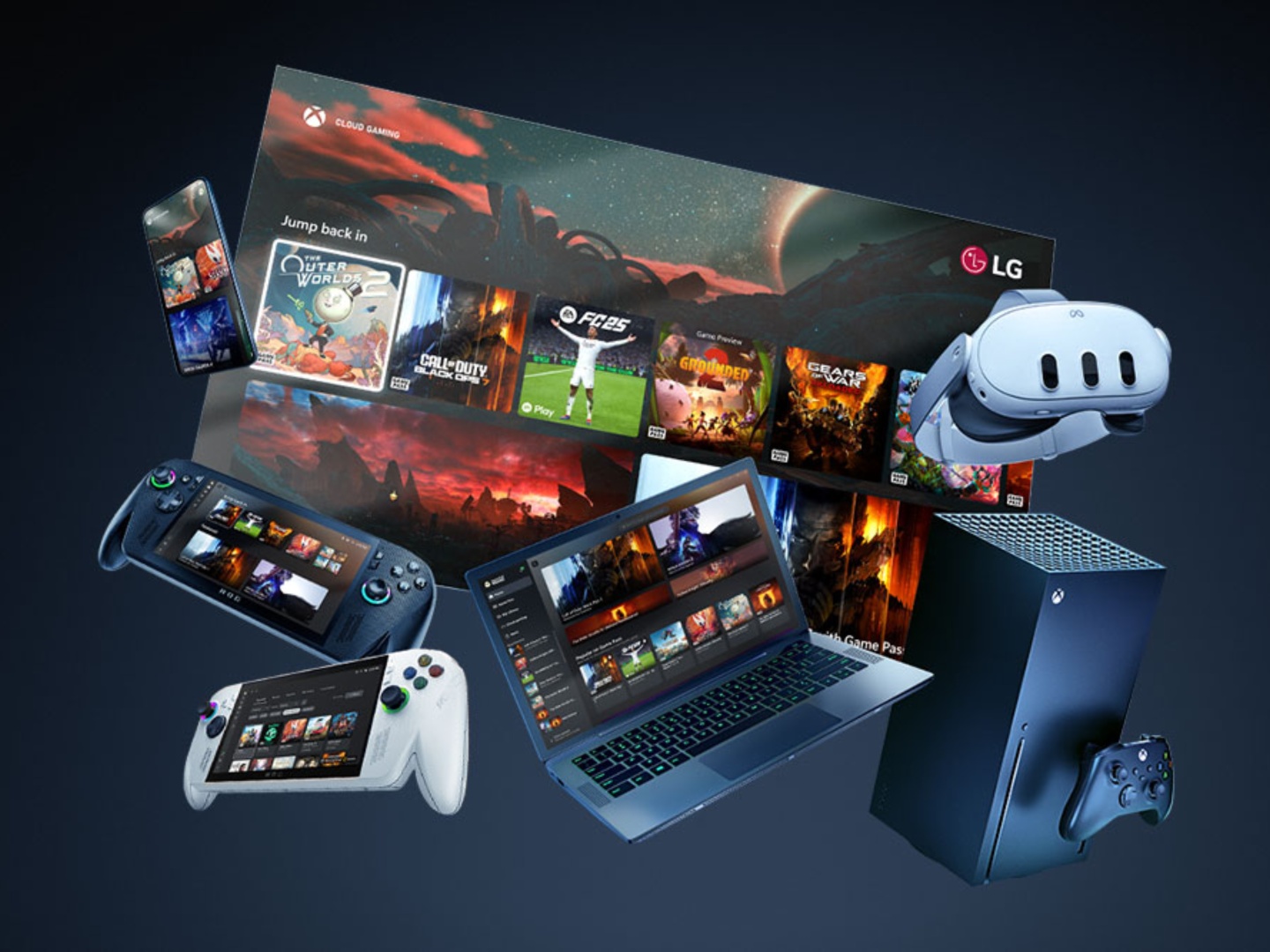
Xbox just used its GDC keynote to make one thing clear: the company is still all-in on dedicated consoles, and the next generation is already taking shape. During the presentation, Jason Ronald, Vice President of Next Generation at Xbox, shared new details about the platform currently known as Project Helix, along with a few updates that hint at where the Xbox ecosystem is headed next.
According to the official keynote recap, Xbox is “deep in development” on its next-gen console under the Project Helix codename. A major part of that work involves a custom AMD APU, built in collaboration with AMD, and a strong push toward modern graphics techniques designed to make games look sharper and run smoother. Ronald emphasized plans to use FSR to help drive what he described as the next era of neural rendering, including machine learning upscaling, machine learning multi-frame generation, and ray regeneration aimed at improving path tracing.
One of the biggest claims from the talk is an “order of magnitude” leap in ray tracing performance and capabilities compared to current Xbox consoles. If that promise translates into real-world results, players can expect more realistic lighting, reflections, and shadows—along with game worlds that feel more dynamic and immersive. No benchmarks or specific performance figures were shared yet, which isn’t surprising this early in the cycle, but the messaging signals that advanced ray tracing is a core pillar of the next Xbox strategy.
There was also a notable timeline update for developers. Ronald said alpha versions of Project Helix are expected to reach developers in early 2027. That would allow studios to begin building and optimizing games for the next Xbox generation at the start of 2027, potentially lining up with a larger public reveal later that year and a launch window that could land in early 2028.
Beyond new hardware, Xbox also introduced “Xbox mode,” which is essentially Xbox Fullscreen Mode under a new name. It’s planned to arrive on Windows 11 starting in April, but only in select regions first. Microsoft hasn’t confirmed which regions will get it early or when the rollout will expand more broadly.
Another major focus mentioned at the keynote was Xbox Play Anywhere. Microsoft is positioning it as a key directive going forward, while also working to make development tools more user-friendly to improve the overall experience for creators and studios building across console and Windows.
Perhaps the most direct takeaway from the keynote is Microsoft’s reassurance that Xbox consoles aren’t being phased out. The company says it will continue investing in console hardware for the foreseeable future—while also shaping an Xbox experience that stretches across devices, with new technology, improved tools, and a clearer next-gen roadmap starting to come into view.