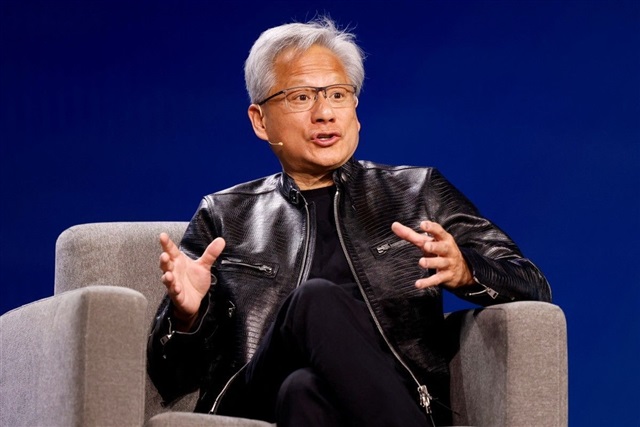
As Nvidia’s annual GTC conference approaches on March 16–19, anticipation is building to a near fever pitch — and much of it is centered on one promise from CEO Jensen Huang. Nvidia’s leader has teased a new processor that he says will be “unlike anything the world has seen before,” instantly sparking intense speculation across the tech world about what, exactly, the company is preparing to reveal.
GTC has long been one of Nvidia’s biggest stages for announcing major breakthroughs in AI computing, GPUs, data-center technology, and next-generation hardware. That’s why Huang’s statement is drawing so much attention: if Nvidia is using this event to introduce a truly new kind of chip, it could signal a shift in how future AI systems are built and powered.
Naturally, the mystery is feeding rumors. Some observers believe Nvidia may be preparing to debut a new chip design approach that goes beyond traditional layouts, potentially involving advanced packaging. One of the most talked-about possibilities is a 3D integrated design — essentially stacking key components to deliver faster performance and better efficiency than conventional designs. Another theory gaining traction is that the chip could incorporate memory in a more tightly integrated way than today’s standard solutions, which could be a major advantage for AI workloads that are often limited by memory bandwidth rather than raw compute alone.
What makes this teaser so compelling is that it suggests more than an incremental update. Nvidia releases powerful new chips regularly, so promising something the world hasn’t seen before implies a bigger leap — whether that means a new architecture, a new way of combining compute and memory, or a platform aimed at the next wave of AI data centers.
For now, Nvidia is keeping details under wraps, but the timing alone is enough to keep industry watchers locked in. With AI demand rising and competition accelerating, GTC 2026 could be the moment Nvidia sets the tone for the next era of AI hardware. All eyes will be on Jensen Huang in March to see whether the company’s mystery chip is a bold new design, a breakthrough in memory integration, or something even more unexpected.