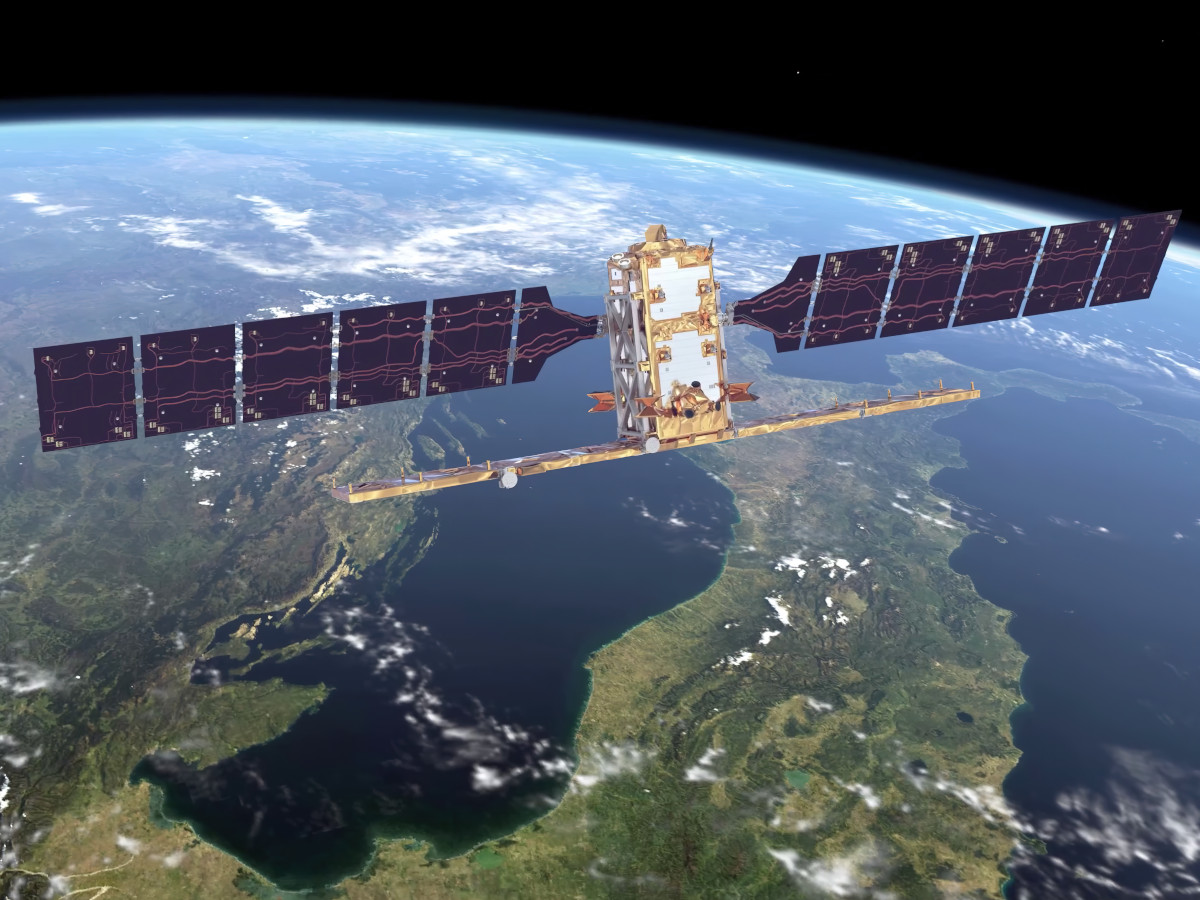
Satellites, like Sentinel-1, rely heavily on a consistent supply of electrical energy, a necessity that faces challenges due to limitations in current solar cell technology. While silicon-based solar cells, known for their robustness and lightweight nature, are effective on Earth, they are not suitable for space use. The reason? Protons in space, essentially hydrogen nuclei from the sun, disrupt electron flow in silicon cells, leading to decreased efficiency. On Earth, our planet’s magnetic field and atmosphere shield us from these protons. When they do reach us, they create the stunning auroras known as the Northern and Southern Lights.
In space, however, solar arrays face different challenges. The more commonly used solar cells for space applications incorporate elements like indium and gallium. Despite their ability to withstand space’s harsh conditions, these cells suffer from being heavy, inflexible, and costly—attributes that are less than ideal for the logistics of satellite launches.
Enter the innovation from researchers at the University of Michigan. Their studies indicate organic solar cells based on hydrocarbon chains could offer a promising solution. These cells demonstrated remarkable stability under simulated three-year exposure to proton radiation. However, achieving reliability demands specific structures: short alkyl chains show promise, but longer chains are more efficient. During radiation exposure, the longer chains form charged hydrogen molecules, but they can be thermally restored at 100 degrees Celsius, a condition achievable in space sunlight. While this type of technology needs more maintenance, it holds significant promise for space applications.
The potential breakthroughs in solar cell technology are exciting, especially considering the rising number of satellites for communication, observation, and planned manned missions. Beyond space applications, advancements in solar cells could eventually benefit residential solar systems, paving the way for more efficient and reliable energy solutions at home.
These technological advancements aren’t just a boon for space endeavors but also hint at future possibilities for enhancing solar energy on Earth, benefitting everyday consumers. The journey towards improved solar efficiency both in space and on residential rooftops stands as a testament to ongoing innovation in energy technology.