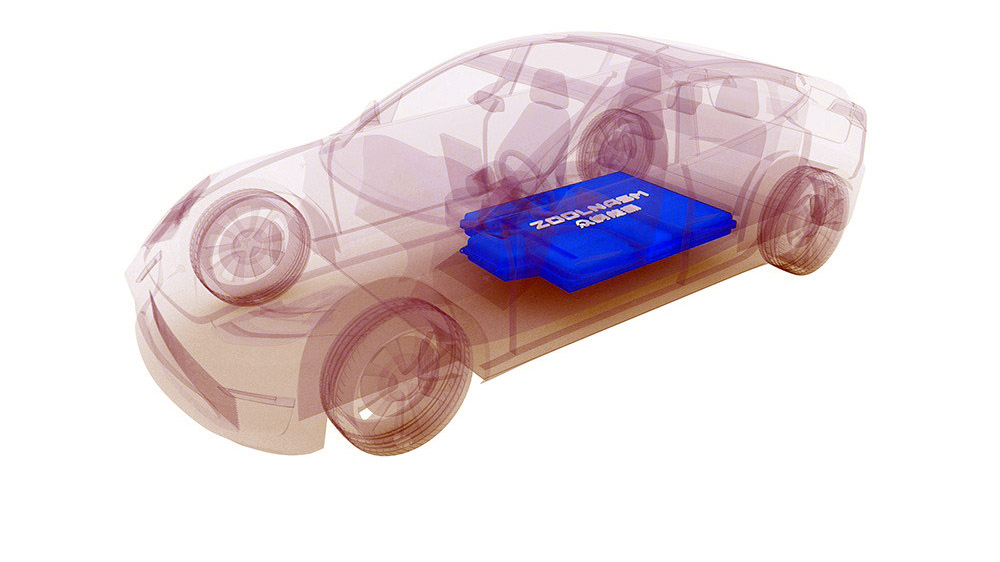
The recent decline in lithium prices hasn’t slowed down the progress of sodium-ion battery producers. Notably, giants in the electric vehicle battery industry like CATL and BYD have initiated their sodium-ion ventures. However, certain startups are already blazing a trail in bringing this technology to the market, ahead of more established players.
A prime example is Zoolnasm Energy, whose cutting-edge sodium-ion battery technology has caught the attention of a major automotive supplier. Starting next year, Zoolnasm will supply their Na-ion cells under a four-year contract, with full-scale production expected by July 2025. This significant deal, valued at $28.1 million, underscores the growing demand for alternatives to lithium-ion batteries. Zoolnasm plans to ramp up its production capacity to 10 GWh annually to meet this burgeoning demand.
The company has already introduced several sodium-ion batteries for various uses, including automotive and grid storage applications, achieving energy densities up to 190 Wh/kg. Earlier this year, Zoolnasm unveiled the NFS-50, an iron sulfate sodium-ion battery particularly suited for hybrid powertrains and start-stop systems.
While Zoolnasm hasn’t disclosed the specific applications for its sodium-ion batteries in this new contract, indications suggest that these cells might be utilized in low-voltage vehicle systems. A key advantage of these Na-ion batteries is their cost-effectiveness. They can be up to 50% cheaper than traditional lithium-ion batteries, presenting an economical alternative for low-priced vehicles.
With electric vehicles using sodium-ion batteries already on the market, and with more supplier contracts being secured, this technology is set to gain traction among both battery manufacturers and automakers. Sodium-ion batteries could soon become a more common feature in the electric vehicle industry.


