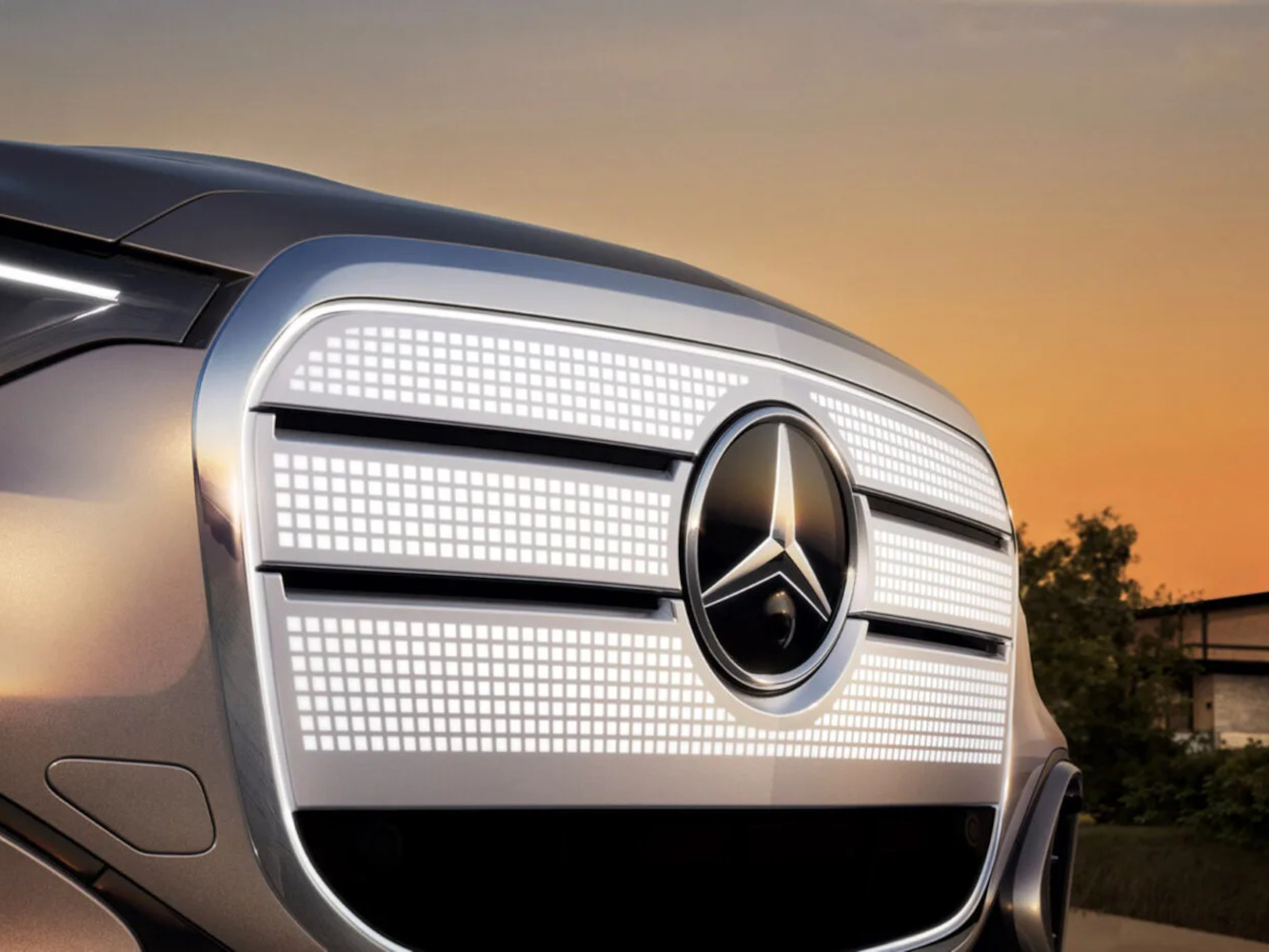
Mercedes-Benz has secured a massive long-term battery supply from LG Energy Solution, locking in a total of 107 GWh of cylindrical cells to power its next wave of premium electric vehicles. The deal spans both Europe and the United States and signals a clear commitment to 46 mm round-cell technology for future models built on the upcoming MB.EA-L platform.
Here’s the breakdown:
– Europe: 32 GWh scheduled from August 2028 through December 2035
– United States: 75 GWh scheduled from July 2029 through December 2037
The batteries are cylindrical cells from the “46 series,” with a diameter of about 46 millimeters. LG Energy Solution plans to ramp up production beginning in 2026 at its new Arizona facility, among other locations. Industry reports describe this as the largest single order LG has received for its 46-series cylindrical cells, underlining the scale at which Mercedes intends to deploy this format.
This latest agreement builds on a previous supply contract for 50.5 GWh signed in October 2024, also believed to be for 46-series cells starting in 2028. Combined, Mercedes-Benz now has commitments exceeding 150 GWh of cylindrical cells—strong evidence that its next-generation EVs will standardize around this architecture.
One of the key reasons behind the move is the MB.EA-L platform. Designed without traditional battery modules, this “module-less” approach is well-suited to round cells and enables more efficient packaging, potentially improving energy density, thermal performance, and manufacturing flexibility across large luxury models.
LG Energy Solution secured the contract over well-known Chinese competitors such as CATL and Farasis, highlighting Mercedes’ emphasis on technology leadership and stringent quality benchmarks. The total value of the agreement is estimated at roughly 15 trillion won, or about $10.8 billion.
Strategically, the partnership lays the groundwork for flagship vehicles like the upcoming S-Class EQ and other large EVs based on MB.EA-L. By committing early to the 46-series format and locking in high-volume supply across major markets, Mercedes-Benz is de-risking its production plans, stabilizing its supply chain, and positioning itself to scale premium electric mobility throughout the 2030s.
Why it matters:
– A decisive pivot to 46 mm cylindrical cells for future Mercedes EVs
– Long-term supply security across Europe and the U.S. to support consistent output
– A manufacturing ramp beginning in 2026 to meet rising demand
– A platform-first strategy that aligns cell format, pack design, and production efficiency
For luxury EV buyers and the broader market, this move signals that Mercedes is preparing for sustained growth in high-end electric vehicles with a battery strategy built for performance, scale, and long-term reliability.