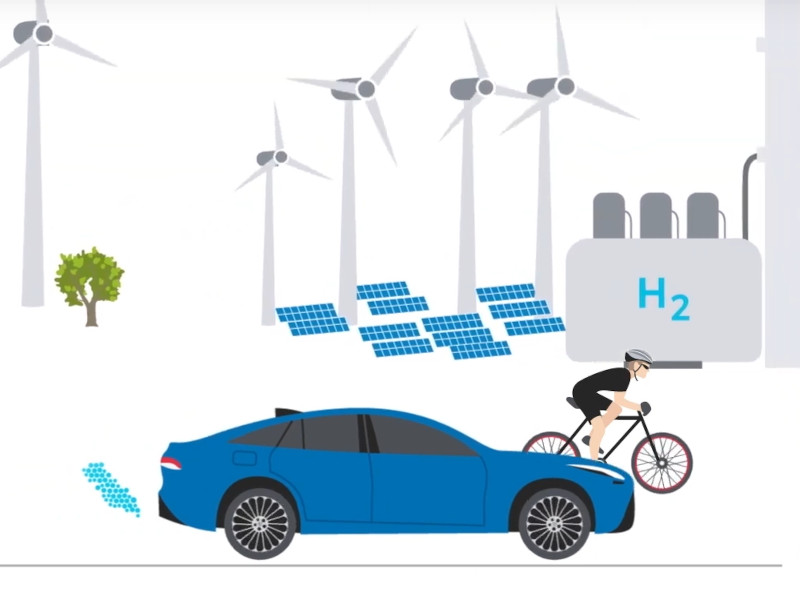
The field of green energy is evolving with a breakthrough method called photocatalysis, which offers a promising avenue for clean energy production. Using sunlight, this chemical process generates hydrogen, a vital fuel source with the potential to power vehicles and homes sustainably.
While the concept of converting solar energy into hydrogen through photocatalysis is not new, earlier methodologies using materials like zinc, indium, or titanium showed limited efficiency. They could only convert a mere 0.3 to 0.7 percent of incoming solar energy into hydrogen fuel.
Recent advancements, however, have turned the tide by incorporating the utilization of ruthenium, a rare transition metal. This shift in materials has skyrocketed efficiency rates to an astounding 10.0 percent. This level of efficiency, although still below that of commercial solar panels, offers a direct route to hydrogen production, bypassing the energy loss that plagues other processes.
In the lab, researchers have been able to produce 10,000 micromoles of hydrogen per hour for every gram of water. This translates to extracting nearly 20 percent of the hydrogen in water within just 60 minutes. To put it in perspective, using this method, approximately 50 liters (13 US gallons) of water can yield one kilogram of hydrogen in an hour, a slight reduction in efficiency when using tap water, requiring around 60 liters (16 US gallons).
When considering area requirements, less than 100 square meters (around 1,000 square feet) of photocatalytic systems would be needed for this conversion rate. Impressively, one kilogram of hydrogen has the energy capacity to drive a vehicle for roughly 100 kilometers (60 miles) or to heat a residential home for a few hours.
This development is significant in the field of renewable energy as it holds the potential to harness clean and sustainable fuel. By using water, a universal resource, and solar energy, which is abundant and free, photocatalysis could become a cornerstone technology in our transition away from fossil fuels. It’s an eco-friendly solution poised to meet many of our energy needs, from transportation to heating, without contributing to pollution or greenhouse gas emissions.
As technology continues to progress and reach higher levels of efficiency, integrating photocatalysis on a broader scale could represent a quantum leap forward in producing hydrogen fuel. We may soon see an era where homes and businesses could use this tech to create their own hydrogen, promoting energy independence and drastically reducing their carbon footprint.