In a groundbreaking development, researchers in Japan have successfully mimicked the natural process of photosynthesis, creating a method to break down water into hydrogen and oxygen using solar energy. Instead of converting carbon dioxide into sugar, as seen in plants, this innovative approach leverages the power of sunlight to produce hydrogen, a clean fuel source, from water.
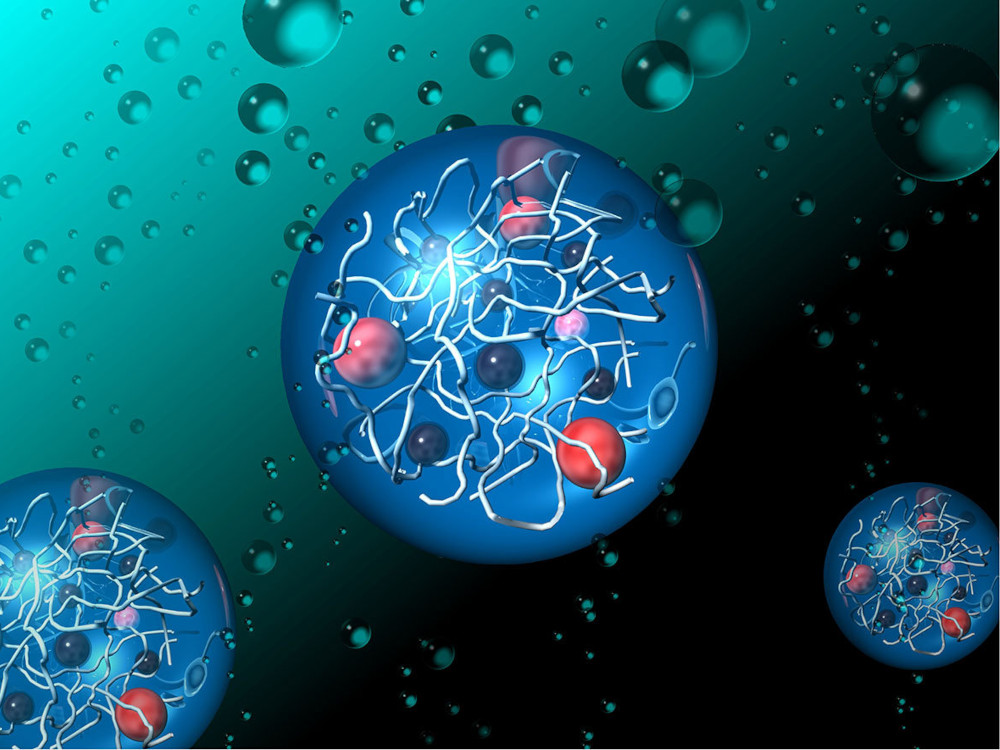
The key to this process lies in the use of specialized nanoparticles made from ruthenium and platinum, metals known for their catalytic properties in automotive converters and fuel cells. By harnessing these elements, scientists have achieved an impressive efficiency rate that rivals traditional photovoltaic systems, reporting around 20% energy conversion. In stark contrast, natural photosynthesis in plants only captures about 1% of the sun’s energy for its processes.
While the potential for this technology to produce hydrogen efficiently and at a lower cost is exciting, several challenges remain. Large-scale application has yet to be explored, and the longevity of the hydrogel—an essential component in the process—needs further testing. Additionally, the availability of platinum and ruthenium poses a concern, as ruthenium ranks among the rarest elements on Earth.
Despite these challenges, the promise of harnessing sunlight to generate hydrogen is too significant to ignore. This innovation could pave the way for sustainable energy solutions, inspiring continued research and advancement in the field. The pursuit of a clean energy future may just rest in the sunshine.