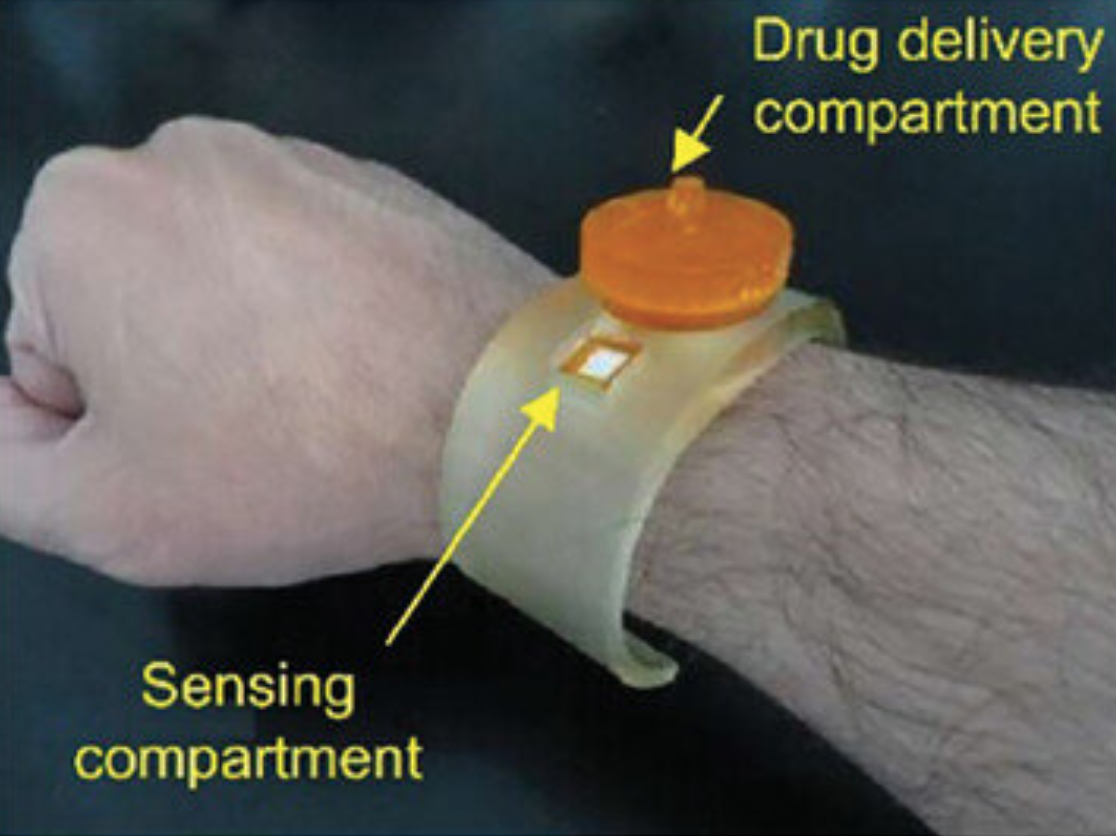
Advancements in medical technology have reached new heights with the development of a 3D-printed microneedle system by a collaborative team of researchers. This cutting-edge system is designed to facilitate remote health monitoring and seamless drug delivery using tiny, pain-free microneedles.
The hallmark of this breakthrough is the microneedle array (MNA), which plays a dual role in delivering medication and monitoring critical health indicators. This innovative system gains access to the interstitial fluid that bathes the cells in the human body to measure parameters like pH, glucose, and lactate levels. Significantly smaller than conventional needles, these microneedles promise a minimally invasive and barely perceptible experience for the patient.
Central to the MNA system are the colorimetric sensors embedded within it. These sensors are designed to respond to chemical changes in the body by altering their color, providing quantitative measurements of health indicators. In parallel, the system is capable of administering drugs on demand through a mechanism that can be controlled via a smartphone app.
A standout feature of this sophisticated system is the incorporation of an ultrasonic atomizer. This component eliminates the need for pumps and enables rapid and precise drug delivery at the point of care. The technology’s portability and simplicity make it advantageous over more complex alternatives. As tested, this system efficiently detects a range of pH levels, glucose concentrations, and lactate amounts, indicating its potential to be highly effective in the medical field.
The implications for healthcare are profound, especially for remote or underserved communities. This technology can potentially provide continuous, personalized care and enable timely interventions for patients with chronic conditions that necessitate regular monitoring. Access to such technology has the power to diminish disparities in healthcare availability, transforming the way patient care is delivered and managed.
With these 3D-printed microneedles poised at the intersection of remote health management and pharmacotherapy, the future of healthcare looks more accessible and patient-focused than ever before. Their successful implementation could pave the way for advancements in the treatment and management of various health conditions, making meticulous health care a universally available service.