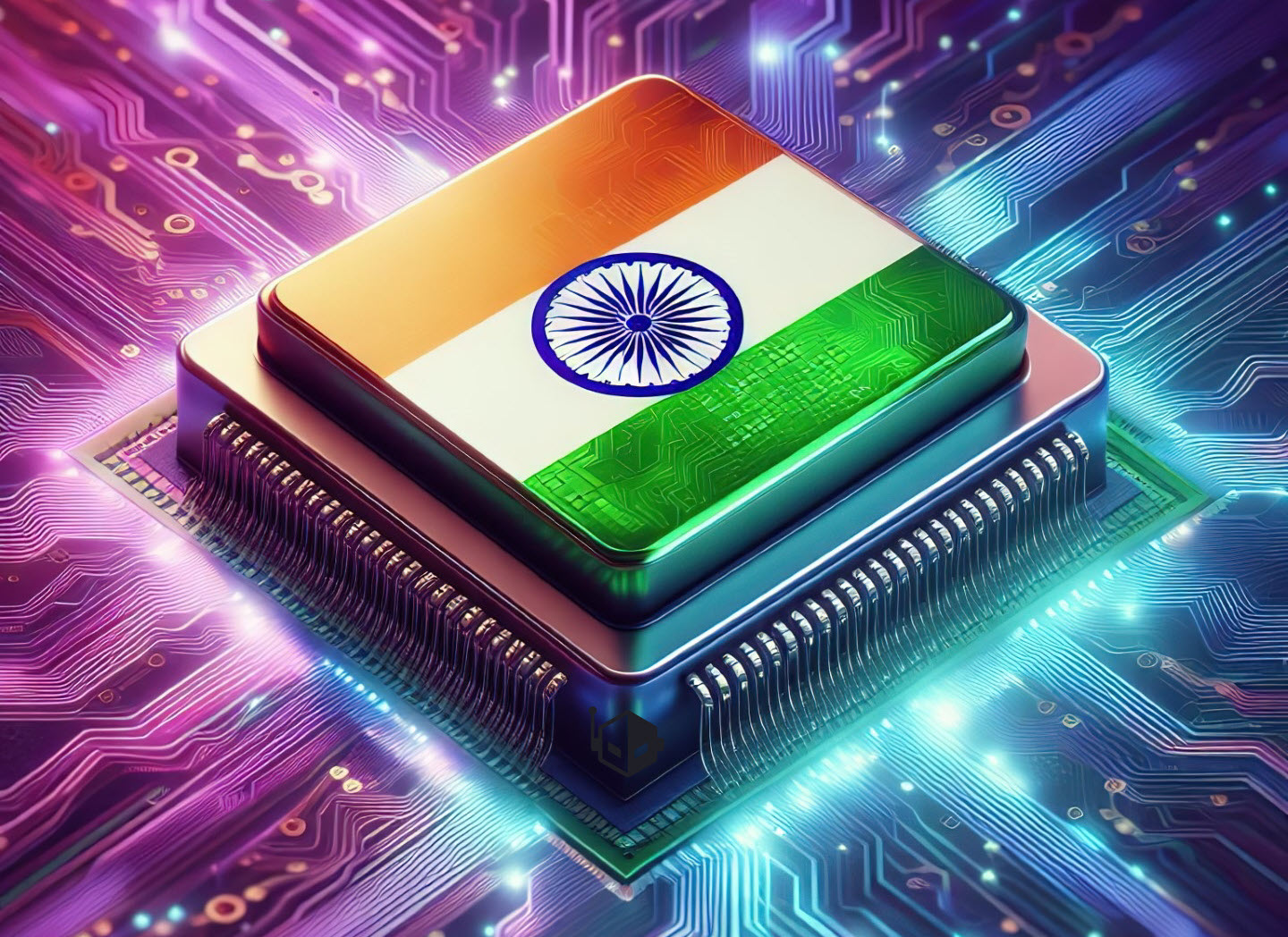
India’s automotive manufacturer Ola is poised to make a significant leap in advanced technology with plans to introduce the country’s first indigenously designed AI chip by 2026. Leveraging ARM architecture, Ola is targeting transformative markets with a variety of AI chips catering to edge AI, cloud computing, and inferencing applications.
In the realm of autonomous vehicles and AI integration, Ola is a part of the global conversation with its announcement of unique in-house solutions. At a recent event, the company gave a glimpse into the future of Indian AI tech through limited announcements about their new chips intended for use in autonomous and electric vehicles.
The lineup includes cutting-edge silicon such as the Bodhi series, consisting of the Bodhi-1 AI chip and its more powerful successor, Bodhi-2, which are expected to be available by 2026 and 2028, respectively. The Bodhi-1 is designed especially for large-scale language models (LLMs) and focuses on inferencing tasks, boasting top-class power efficiency, making it well suited for a broad range of AI applications.
For tasks demanding higher performance, the Bodhi-2 chip enters the scene with the intent to push the boundaries in AI workloads. It aims to bring about scalability and might even extend its capabilities into the realm of exa-scale computing, setting ambitious goals for itself in the competitive AI market.
Ola is also venturing into edge computing with their Ojas chip, which is expected to be India’s first edge AI chip and will likely be integrated into Ola’s upcoming electric vehicles. Though specifics are sparse, the Ojas chip is expected to cater to diverse ecosystems with an AI-native design.
The cloud computing segment is not left out, with Ola revealing the Sarv-1, a cloud-native CPU. Although full details remain under wraps, the Sarv-1 hints at leveraging ARM’s Neoverse N3 cores to deliver high performance and efficiency.
India’s leap into the high-stakes arena of AI chip development is highlighted by the choice of foundries. CEO Bhavish Aggarwal has indicated a preference for collaboration with top global foundries, such as TSMC or Samsung, reinforcing the country’s commitment to creating world-class AI chips and securing a place in the AI innovation landscape.
This move by Ola heralds an era of domestic technological advancement and signals India’s potential as an emerging powerhouse in the global AI market. However, the intrigue still surrounds the final real-world performance and adoption of these chips, as the tech community and potential users keenly await more details and tangible outcomes.