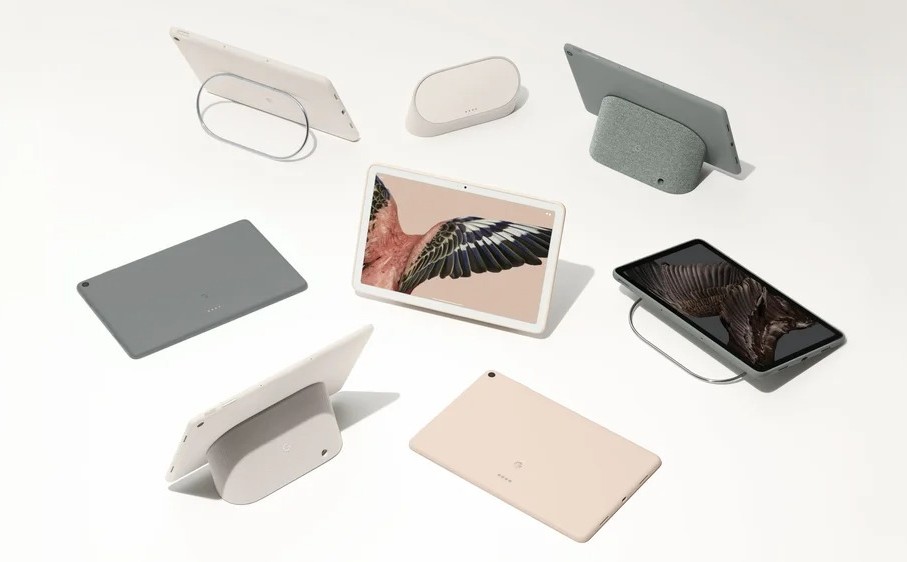
The Google Pixel Tablet has generated quite a bit of excitement in the tech community, especially given its capability to morph into a smart display with the help of the accompanying detachable Charging Speaker Dock. This feature, while reminiscent of previous products from Lenovo, signals a noteworthy re-entry into the tablet market for Google.
Originally, the Pixel Tablet’s intrigue was not only in its dual-purpose design but also in its notable features such as built-in Chromecast functionality and the USI 2.0 Stylus support. These components allow users to effortlessly project audio and video content to their tablet or make use of a stylus for writing and drawing. Moreover, the tablet is built around the Tensor G2 chipset, which is indicative of a modern, powerful device.
When it arrived in 2023, the Pixel Tablet was tagged with a starting price of $499, which included the Charging Speaker Dock. Alongside this bundled offer, Google presented consumers with additional accessories, including cases and separate docks for purchase. A year after launch, Google took a strategic step by offering the Pixel Tablet at $399 without the Speaker Dock – an appealing option for those less interested in this added feature.
Considering market trends, there’s usually an expectation for electronics to decrease in price over time. It’s conceivable that many prospective buyers may have been anticipating a permanent price cut for the Pixel Tablet rather than an unbundled pricing strategy. The occasional sales that happened post-launch did offer temporary relief for purchasers, but a consistent lower price point could serve as a strong motivation for those on the fence about this tech investment.
The significance of the Speaker Dock cannot be underestimated, as the Pixel Tablet’s unique selling point greatly relies on its integration. Selling the device without it might detract from its allure as it competes with several notable alternatives in the market. For instance, the 10th Generation iPad recently experienced a price reduction and now boasts a lower sales price point than the Standalone Pixel Tablet. Additionally, compelling offers can be found on competitive models from Xiaomi and OnePlus, challenging the Pixel Tablet’s value proposition even at its new, dock-free price.
The situation suggests a potential missed opportunity in bolstering the Pixel Tablet’s market position. Introducing a price cut, while maintaining its innovative dock, could have been a more attractive proposition to consumers. Such a move would not only energize the product’s appeal, but it may also stave off the competition from other tablets that excel in different areas.
For those interested in the Pixel Tablet, despite its current pricing, a prudent approach would be to keep an eye out for upcoming sales that could provide a significant discount, with or without the Speaker Dock. Evaluating the device’s worth against its price and its competitors is crucial to ensure you’re getting the best deal for your needs.
Exploring the factors that influence the purchase decision of a tablet is not only important for consumers but also for manufacturers aiming to capture a larger share of the tech market. The Pixel Tablet’s journey serves as an interesting case study on pricing strategy and market positioning in a highly competitive industry. As consumers continue to balance cost with functionality, product offerings must align with consumers’ expectations and desires, and perhaps most importantly, provide tangible value that supports the longevity of the device’s appeal in an ever-evolving landscape.