Hyundai Pushes Ahead With Atlas Humanoid Robot Production and Global Robotics Expansion
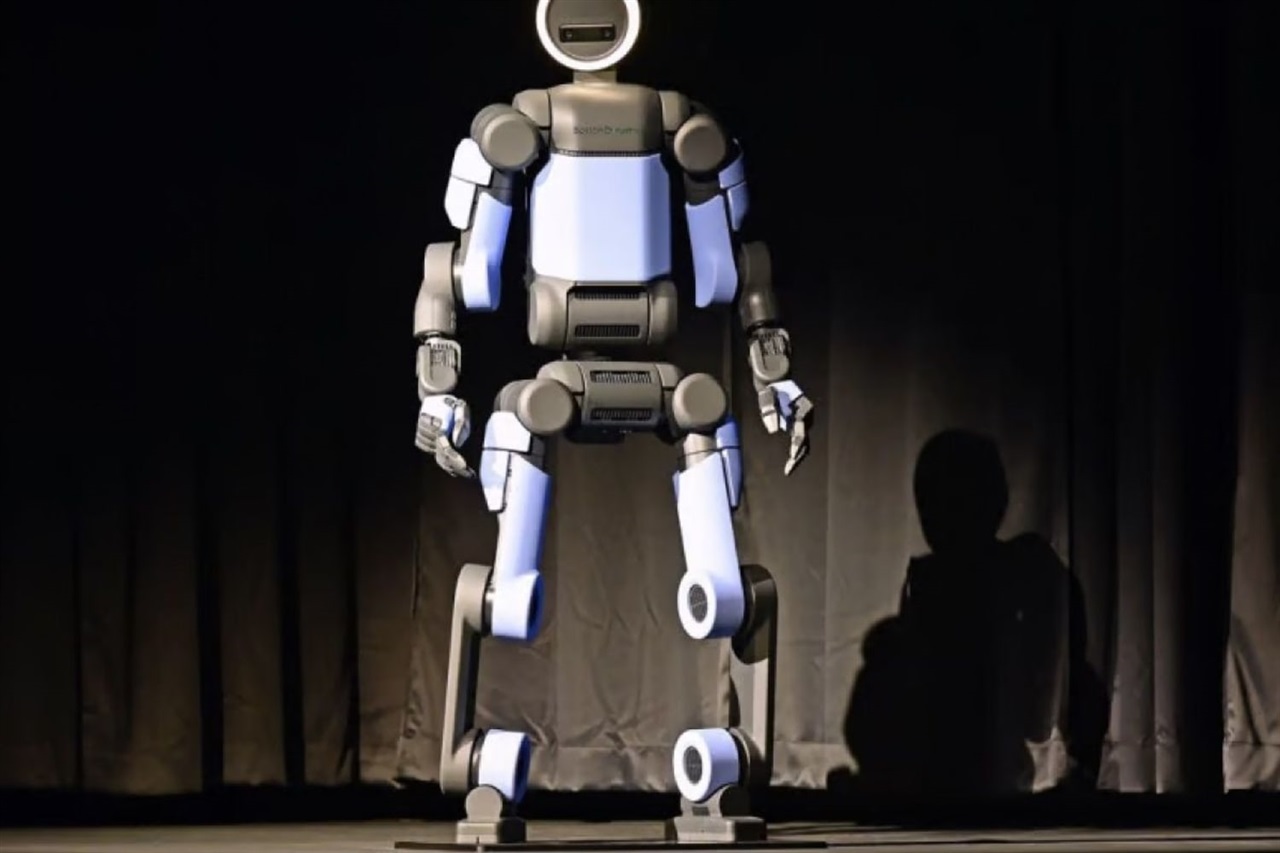
Hyundai Motor Group is moving faster into the future of robotics as it prepares to mass-produce and sell the Atlas humanoid robot. The company is also creating a new RX Business Strategy Team to guide its worldwide robotics ambitions and strengthen its long-term plan under the vision of “Robotics Everything.”
This latest move shows that Hyundai is not treating robotics as a side project. Instead, the automaker is positioning intelligent robots as a major part of its future business, alongside electric vehicles, mobility services, smart manufacturing, and advanced automation.
The formation of the RX Business Strategy Team marks an important step in Hyundai’s broader restructuring efforts. The team is expected to help coordinate robotics development, commercialization, production planning, and global market strategy. By bringing these efforts under a more focused structure, Hyundai aims to speed up decision-making and bring advanced robotic products to customers more efficiently.
At the center of this strategy is Atlas, the humanoid robot designed to perform tasks that require mobility, balance, and human-like movement. Humanoid robots are gaining attention across industries because they could eventually support work in factories, logistics centers, construction sites, emergency response environments, and other areas where flexibility and physical capability are essential.
Hyundai’s plan to move toward mass production suggests the company sees strong commercial potential in humanoid robotics. Rather than limiting Atlas to research demonstrations, Hyundai appears to be preparing for a future where robots can be produced at scale and sold for practical industrial and business use.
The “Robotics Everything” strategy reflects Hyundai Motor Group’s belief that robotics will become deeply connected to everyday life and modern industry. This approach could include humanoid robots, service robots, industrial automation systems, smart mobility platforms, and robotics technologies that support safer and more efficient workplaces.
For Hyundai, robotics also fits naturally with its experience in large-scale manufacturing. The company already operates complex global production networks, which could give it an advantage as it works to turn advanced robots into commercially viable products. Combining robotics expertise with automotive manufacturing know-how may help Hyundai lower production barriers and accelerate market adoption.
The global race to develop humanoid robots is becoming increasingly competitive, with major technology and mobility companies investing heavily in artificial intelligence, automation, and machine learning. Hyundai’s latest restructuring shows that it wants to be a serious player in this growing market, not just a participant.
If successful, the Atlas humanoid robot could become a key part of Hyundai’s next-generation business strategy. The company’s push into mass production may also help bring humanoid robots closer to real-world deployment, moving them from experimental prototypes to useful tools for businesses and industries.
Hyundai’s decision to establish a dedicated robotics strategy team highlights how important this sector has become. As demand grows for automation, labor-saving technologies, and intelligent machines, Hyundai is preparing to expand beyond traditional transportation and into a future where robotics plays a central role.
With Atlas at the heart of its plans and “Robotics Everything” guiding its direction, Hyundai Motor Group is making a clear statement: the company sees robots as one of the next major pillars of global innovation.


