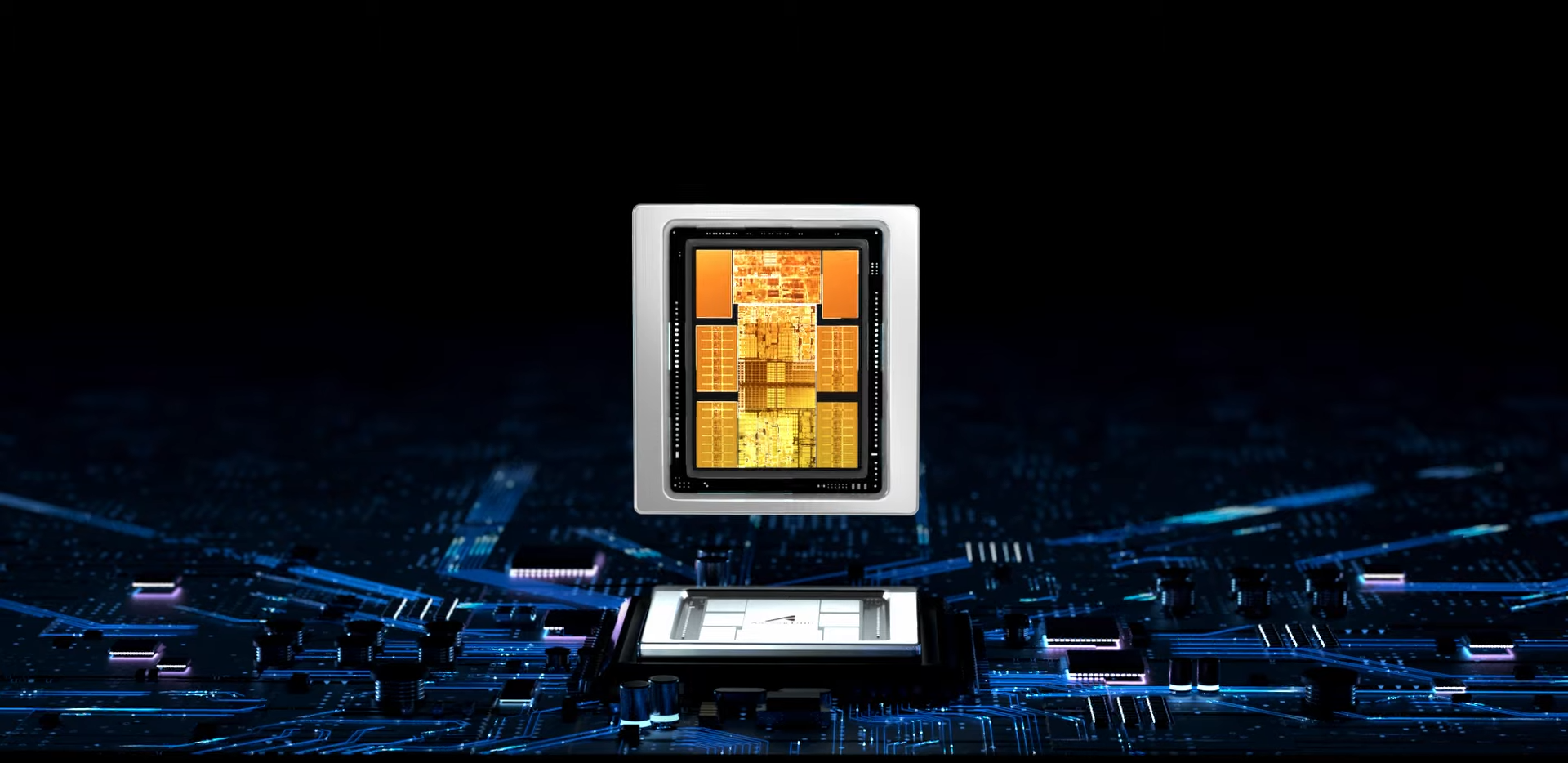
In recent developments, the global AI landscape is experiencing an exciting shift with China’s Huawei poised to make significant strides in the hardware sector. Their upcoming AI chip, potentially launching in tandem with NVIDIA’s GTC keynote, might just set the stage for some healthy competition in the space.
China’s AI journey has been quite a spectacle. Despite facing various regulatory and trade challenges, the country has emerged with breakthroughs like the innovative DeepSeek’s R1 AI model, rivaling even giants like OpenAI. Now, China seems to be channeling its efforts toward enhancing hardware computational power, and Huawei’s Ascend 910C is at the forefront of this movement.
Insider reports from Chinese media reveal that the Ascend 910C AI chip is shaping up to be a strong contender against NVIDIA’s top-tier H100. Boasting 60% of the performance capabilities of NVIDIA’s leading AI accelerator, this chip is proving its mettle in inference tasks. DeepSeek and others stand to benefit from constructing their computing portfolios with Huawei’s advanced chips, a move that many see as a strategic advantage.
Huawei’s Ascend 910C is a remarkable “in-house” creation, utilizing a 7nm process from SMIC and packing 53 billion transistors. It’s not just about hardware though; Huawei has integrated support for AI models like DeepSeek from the get-go and ensured compatibility with NVIDIA’s CUDA compute stack. This makes it easier for developers transitioning to Huawei’s system.
Speculation is rife that Huawei might showcase the Ascend 910C alongside NVIDIA’s anticipated next-gen architectures during the GTC 2025 keynote. This could be China’s way of responding to NVIDIA’s increasing computational prowess. Should Huawei manage to achieve a seamless launch, it could potentially shake up retail markets and heighten competition.
Furthermore, industry dynamics are shifting not just due to technological advancements but also geopolitical forces. NVIDIA, for instance, finds its revenue streams increasingly scrutinized due to possible trade regulations influenced by the US government, which could affect sales in critical markets like Singapore. Such regulatory moves could dampen NVIDIA’s financial outputs, impacting its market performance.
Ultimately, China’s rise in the AI domain serves as a vivid example of how domestic innovation can thrive under pressure. Initiatives like Huawei’s and DeepSeek’s developments prove that when faced with external challenges, in-house talent and creativity can lead to groundbreaking advancements. The AI race is heating up, and all eyes are now on how these technological powerhouses will reshape the future.


