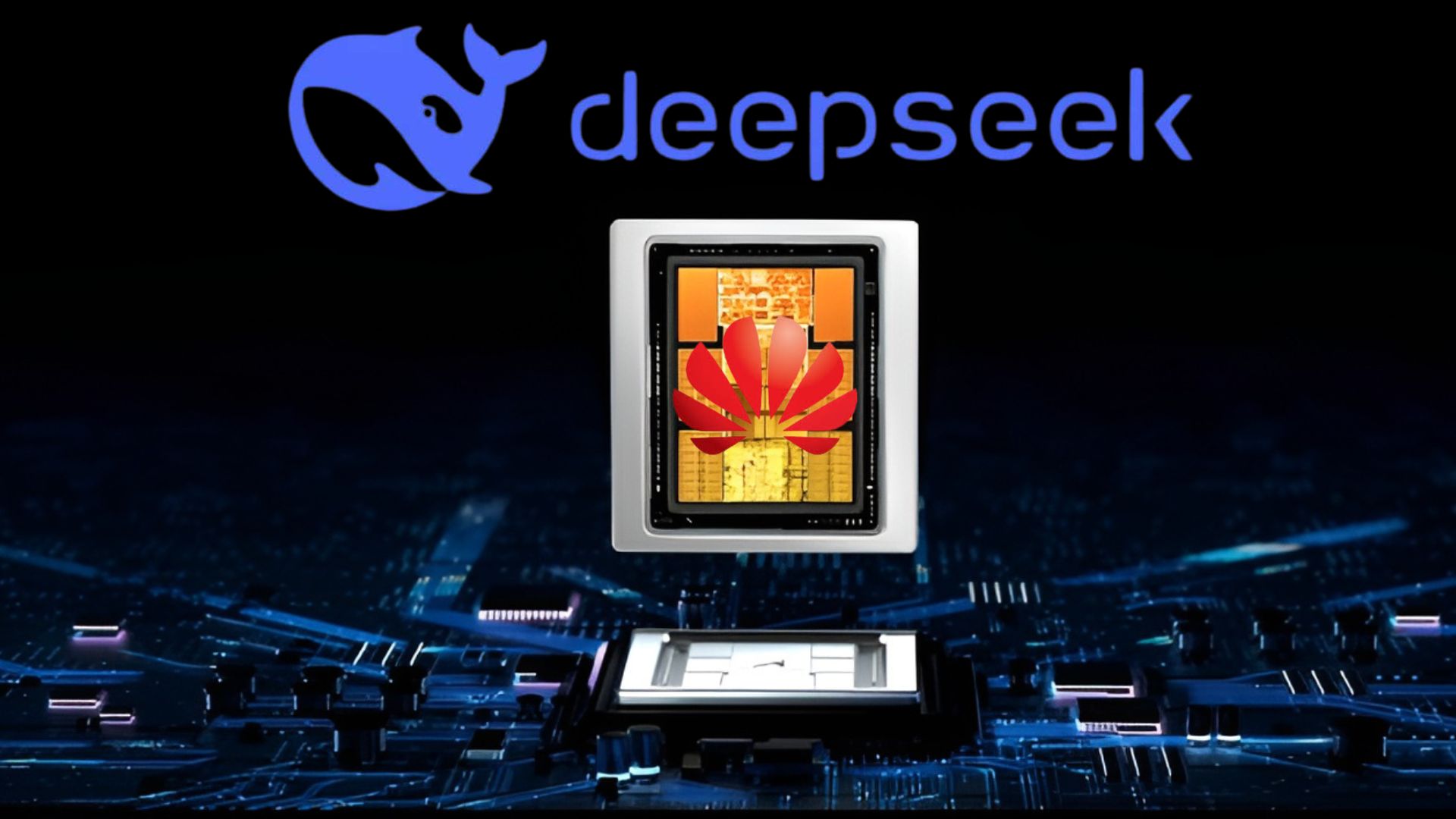
In recent developments from China’s booming AI industry, DeepSeek has been making waves with its innovative use of cutting-edge technology. The company has stunned observers by leveraging Huawei’s latest Ascend 910C chips for its AI model, highlighting a significant evolution within the sector.
DeepSeek’s latest endeavor involves running inference workloads on these powerful new chips, suggesting a strategic partnership with Huawei that could reshape competition in the AI landscape. The Ascend 910C, Huawei’s latest AI chip, is purportedly positioned as a formidable challenger to NVIDIA’s renowned Hopper H100 AI accelerators. While the finer details of Huawei’s chip capabilities remain under wraps, insiders report ambitious plans for mass production, with major Chinese tech giants like ByteDance and Tencent showing keen interest.
A fascinating element of this story is the assertion that DeepSeek initially trained its R1 LLM model using Nvidia’s H800 but opted to run inference on Huawei’s homegrown chips. This strategic choice may reflect broader trends of diversification within the Chinese tech industry, as companies seek to reduce dependency on foreign technology and capitalize on domestic advancements.
Another layer to this unfolding narrative is the reported market reaction to DeepSeek’s R1 model, which triggered a $2 trillion upheaval in the US stock market, unsettling investors across the board. While the $5 million figure often cited does not represent the entire training cost for the R1 model, it underscores the expense of maintaining such sophisticated AI.
DeepSeek allegedly taps into a massive pool of over 50,000 NVIDIA H100s, underscoring the scale of resources required for its ambitious AI projects. Yet, the shift towards Huawei’s hardware for inference is notable, not only for its availability and competitive pricing but also for the implications it holds for future market dynamics.
Huawei is reportedly already at work on the next generation of Ascend AI chips, anticipated to compete directly with NVIDIA’s future Blackwell AI products, setting the stage for intensified global competition in the AI chip market. This ongoing evolution hints at China’s strategic positioning to strengthen its presence and influence in the AI world, continuing to challenge established players and drive innovation forward.