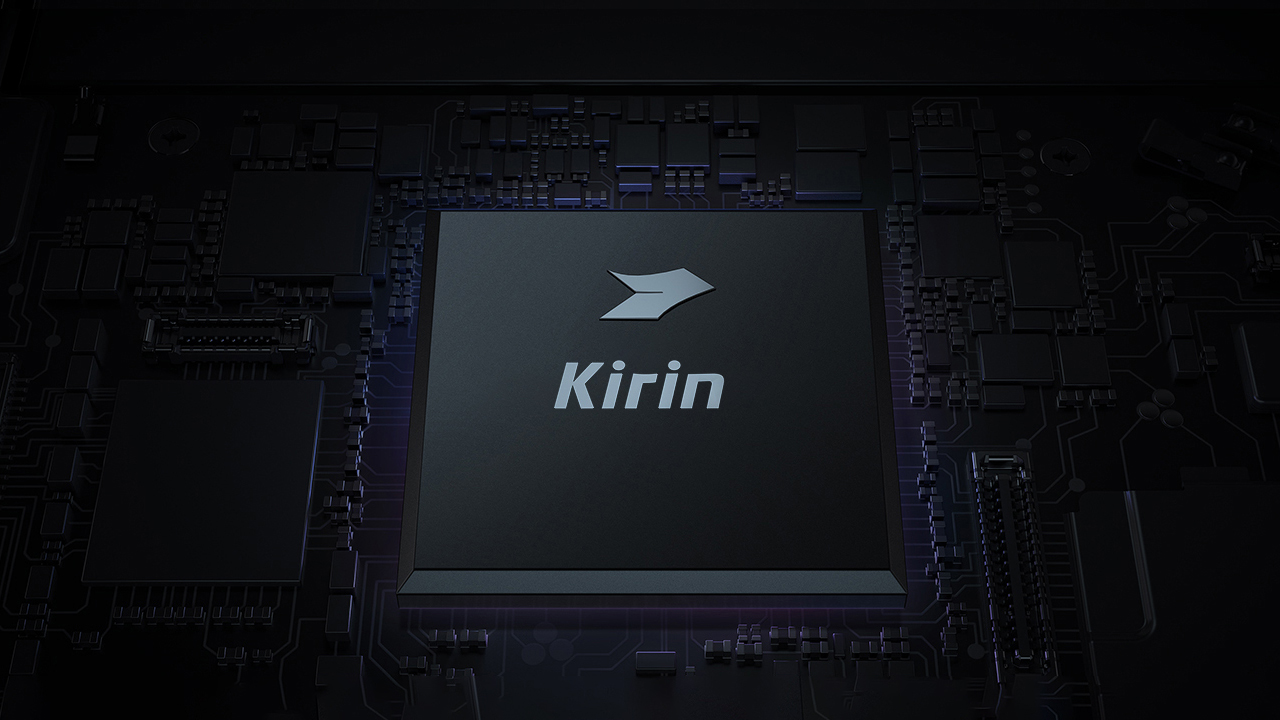
Rumors have been swirling about Huawei’s development of a new Kirin PC chip, but the Chinese tech giant has kept the specifics under wraps. Speculation has been rife since August, suggesting that the ARM-based chipset might share a unified architecture similar to Apple’s acclaimed M series. Earlier whispers from April hinted that this new chip could perform on par with Apple’s expected M3 processor. Despite anticipations for a launch this year, Huawei has remained silent on the subject.
Recent information from a Weibo tipster, known as @BeijingDigitalMaster, suggests that the much-anticipated ARM-based chip will not hit the market until the first quarter of 2025. Unfortunately, the tipster didn’t provide a reason for the delay, but efficiency issues seem to be a likely factor.
Huawei made headlines last year with its 5G-enabled Kirin 9000S chip, but this was manufactured using an older process. To put it in perspective, Huawei’s recent Mate XT is powered by the Kirin 9010, built on a 7 nm process. In contrast, the likes of the upcoming Snapdragon 8 Gen 4 and Dimensity 9400 are embracing newer 3 nm technology. Even Qualcomm’s Snapdragon X series for PCs is already utilizing the more advanced 4 nm process.
The relationship between transistor size and power consumption is crucial: smaller transistors mean better efficiency. This is where the current Kirin models, built at 7 nm, fall behind the more efficient Snapdragon 8 Gen 3 and Dimensity 9300 chips. Given this, even if Huawei’s Kirin PC chip can match the Apple M3 in performance, it might not achieve superior battery efficiency if it sticks with the 7 nm fabrication.
There are rumors that SMIC, Huawei’s chip manufacturing partner, might soon be able to produce 5 nm chips. If this proves accurate, Huawei could be postponing the chip’s debut for better process yields, thereby promising advancements in efficiency for future releases. This strategic waiting game might just be Huawei’s plan to catch up in the fiercely competitive world of semiconductor technology.