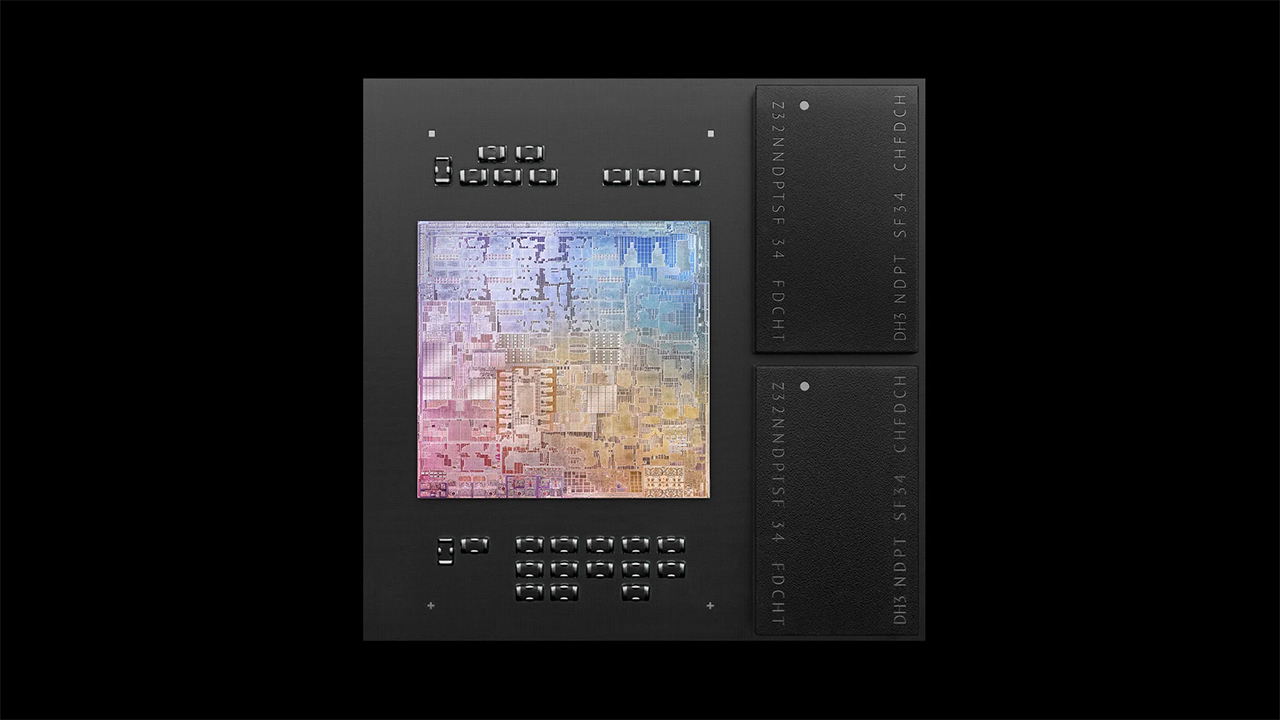
As technology advances, leading companies are constantly striving to push the boundaries of processing power and efficiency. In the realm of computer chips, unified memory architecture has surfaced as a revolutionary design, providing benefits from enhanced performance to reduced power consumption. This design has been notably utilized by Apple with its M series SoCs, and Intel is incorporating it into its Lunar Lake lineup. Huawei is rumored to be following suit, signaling a potentially significant shake-up in the PC chip market with its upcoming Kirin PC chips.
Unified architecture in PC chips merges the SoC (System on Chip) and DRAM (Dynamic Random-Access Memory) onto a single die, streamlining the data sharing process and effectively boosting memory bandwidth due to the proximity of DRAM to the SoC. This can significantly boost performance and decrease the power draw, due to minimizing the energy expended in data transfer between separate memory pools. It creates a more tight-knit system that can lead to more responsive and efficient devices.
However, transitioning to a unified memory approach has its trade-offs. Most notably, the integrated nature of the architecture means that the RAM cannot be upgraded post-manufacture, which could be a downside for those who look to progressively enhance their PC’s capabilities.
Despite there being no official announcement from Huawei at this time, the possibility of the tech giant adopting a unified architecture for its Kirin PC chips has sparked interest. This development was hinted at by a notable source credited with reliable tech leaks. Although specifics such as the number of memory tiers on offer remain unclear, comparisons have been drawn between Huawei’s reported performance targets and Apple’s renowned M3 processor.
While these reports should be approached with caution due to their speculative nature, the implications of Huawei moving in this direction could be substantial. Should the Kirin PC chips indeed equal the performance benchmarks set by prominent competitors, this could herald a new era for Huawei in the PC market, one where they offer an alternative to established semiconductor giants.
The rise of unified architecture in PC chips is indicative of the broader trend toward creating more efficient, high-performing computing platforms. This architectural shift illustrates the tech industry’s commitment to pioneering innovation and setting new standards for what users can expect from their devices.
Prospective users of such advanced PC systems would enjoy devices with quick access speeds and lower energy usage, enhancing both their work productivity and their entertainment experience. Companies might leverage these cutting-edge processors to develop lighter, more portable, and powerful gadgets, thus transforming the landscape of everyday technology.
In conclusion, Huawei’s rumored adoption of a unified memory architecture for their upcoming Kirin PC chips indicates a major step in a competitive market, aiming to bring about improved performance and efficiency. These advancements reflect the ongoing transformation in computing technology, shaping the future of how both consumers and industries interact with their devices. While it remains to be seen how Huawei’s chips will stand up in comparison to their contemporaries, the anticipation for what this could bring to the tech world is palpable.