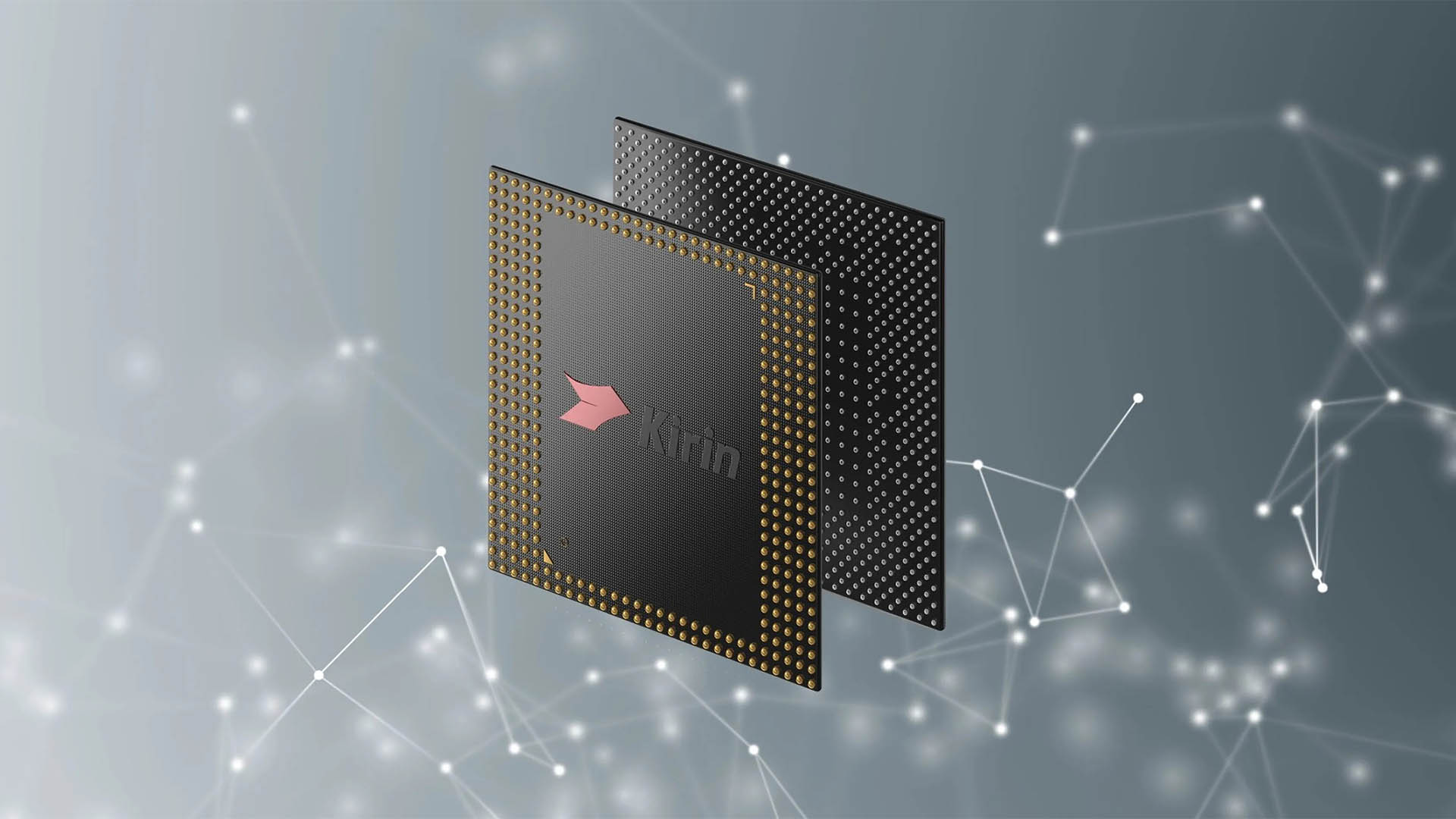
Apple’s M-series chipsets have long set the standard for performance and efficiency in the tech world, sparking interest in potential rivals. While Huawei was expected to challenge Apple with its own Kirin PC chip this year, tech enthusiasts will have to wait a little longer. According to new rumors, the anticipated release has been delayed until the first quarter of 2025.
The reasons behind this delay remain largely speculative. Some suggest that efficiency hurdles, possibly due to using older manufacturing processes, might be playing a role. The tipster @BeijingDigitalMaster disclosed this information, which was notably followed by Huawei Central.
Huawei has made significant strides with its Kirin line of processors. After launching the Kirin 9000S last year, followed by the Kirin 9010, each iteration has moved towards greater self-reliance. The ultimate aim is to reduce reliance on international partners and focus on domestic supply chains for chipset production.
Despite these ambitious goals, Huawei faces various challenges. One such obstacle is the limitation on acquiring cutting-edge EUV technology, as current trade restrictions prevent U.S. company ASML from supplying Huawei with state-of-the-art equipment. As a result, Huawei continues to depend on the older DUV technology to meet its production needs.
In an effort to overcome these challenges, SMIC, China’s leading semiconductor manufacturer, has reportedly developed a 5nm process using DUV machinery. However, the approach is costly due to high wafer expenses and low production yields. This financial strain could be a key factor in the Kirin PC chip’s delay. It’s likely that further optimizations and technological advancements are necessary to make mass production viable.
On a brighter note, early performance evaluations of the Kirin PC chip’s Taishan V130 architecture suggest that it holds promise. It has shown multi-core performance close to Apple’s M3, although specific power consumption details remain under wraps. As development continues, more information is expected to emerge in the coming months. Stay tuned for updates as Huawei attempts to make waves in the competitive world of PC chipsets.