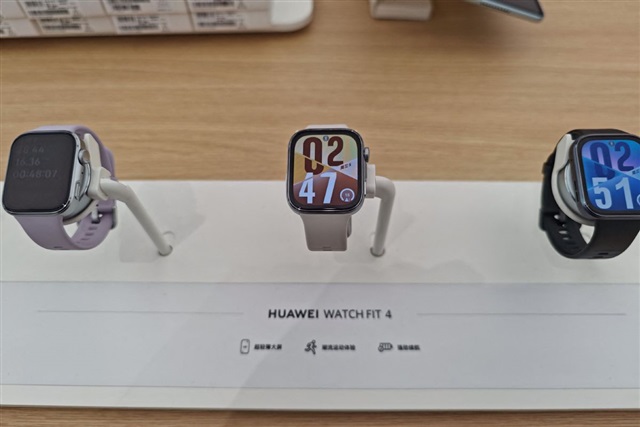
Huawei’s smartwatch momentum in Japan is building, with steady sales growth and a particularly strong following among middle-aged and older consumers. Retailers across the country report consistent gains since April 2025, when Takuya Kimura stepped in as brand ambassador, and interest has only expanded from there.
What’s driving the surge? For many shoppers in their 40s, 50s, and beyond, a smartwatch needs to feel dependable, comfortable, and simple to use. Huawei’s recent lineup appears to be hitting that sweet spot. Store staff note more walk-ins asking to try models on, more questions about everyday practicality, and a noticeable rise in purchases from customers prioritizing ease of use and long-term value. Word-of-mouth is also helping: buyers in this demographic often influence family and friends, amplifying demand through recommendations rather than tech forums alone.
The timing of the ambassador partnership is key. Takuya Kimura’s cross-generational appeal aligns well with the audience embracing these devices. Since his appointment in April 2025, retail channels indicate a clear lift in brand visibility, with more shoppers actively seeking Huawei smartwatches by name. That increased recognition is translating into higher store traffic, more product inquiries, and stronger sell-through, particularly for models that emphasize everyday wellness, straightforward setup, and reliable performance.
Another factor supporting the upswing is how shoppers are buying. Many prefer purchasing through familiar retail outlets where they can ask questions, compare models, and see the watch in person before deciding. This hands-on experience resonates with buyers who want confidence in their choice. Sales staff report that once customers try on a watch and navigate a few key functions, hesitation turns into confidence—and often into a purchase.
Price-to-performance also matters. While ultra-premium features can be appealing, this audience often prioritizes a well-rounded package that delivers consistent results without overcomplication. That balance helps reduce the learning curve and makes it easier to integrate the watch into daily routines, from checking notifications to staying on top of personal wellness goals.
The broader takeaway is that Japan’s smartwatch market is not just about tech enthusiasts. It’s increasingly shaped by consumers looking for practical, dependable tools that support everyday life. By aligning messaging with this reality—and by leveraging a trusted public figure—Huawei has tapped into a segment with significant growth potential. The result is a steady, sustainable rise rather than a fleeting spike.
Looking ahead, continued momentum will likely hinge on maintaining that user-first approach. Clear displays, comfortable designs, intuitive interfaces, and dependable battery performance are the kinds of essentials that keep buyers satisfied long after the initial excitement fades. Ongoing support through retail partners—where staff can guide first-time smartwatch shoppers—should also remain a priority.
In short, Huawei’s smartwatch performance in Japan underscores a simple truth: when a product meets real needs and the message reaches the right audience, sales follow. With middle-aged and elderly consumers increasingly choosing these devices, and with brand visibility boosted since April 2025, the company has carved out a strong position in a market that rewards reliability, clarity, and everyday usefulness.