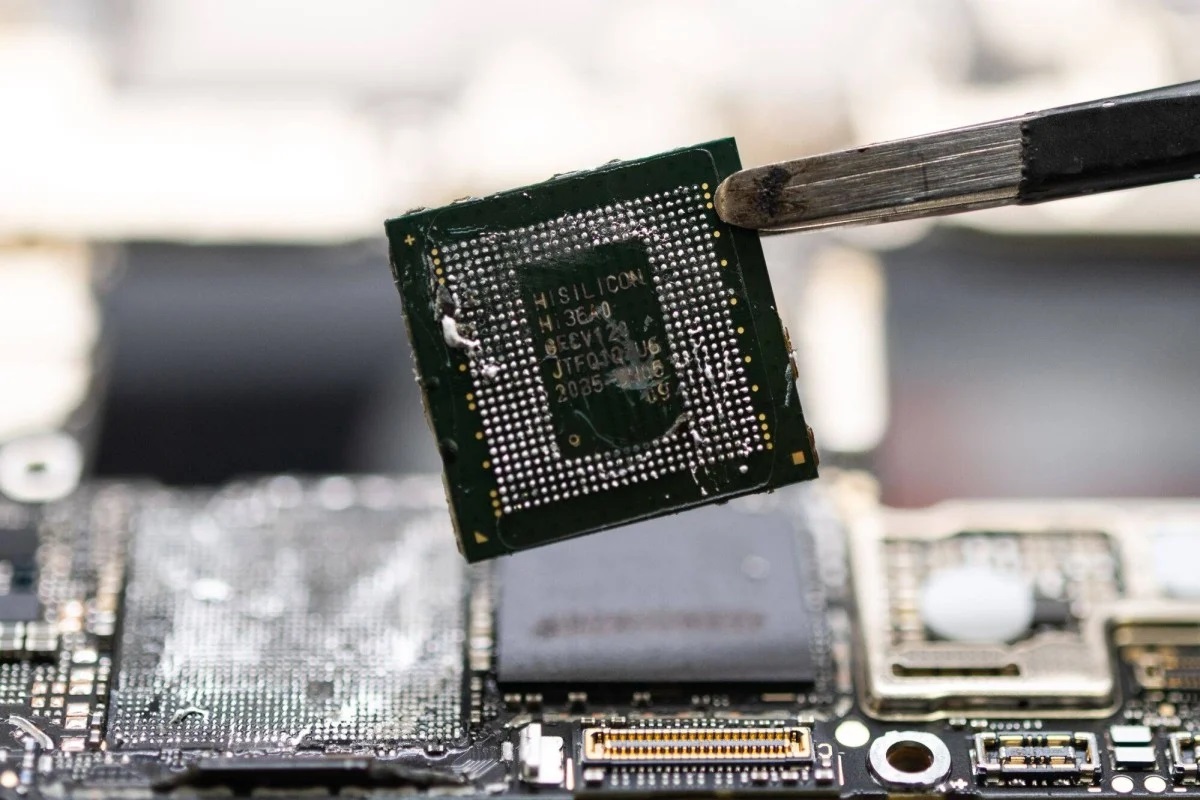
In a bold move toward technological self-sufficiency, Huawei is channeling a significant investment of $1.66 billion into the development of a dedicated semiconductor research and development (R&D) facility. Amidst tightening export controls from the U.S., the Chinese tech behemoth is determined to reduce its reliance on foreign technology by enhancing its in-house chip capabilities.
Huawei has set the ambitious goal of establishing an R&D chip plant with a total budget of around 12 billion yuan, earmarking it as one of Shanghai’s flagship projects for 2024. Attracting top talent is critical for this initiative, and Huawei is apparently offering double the salary packages compared to local chipmakers. Moreover, Huawei has been actively recruiting experienced engineers from industry leaders such as ASML, Applied Materials, and Lam Research. The hiring spree doesn’t stop there; individuals with an extensive background at prestigious tech companies like TSMC, Intel, and Micron are also being sought after.
Despite the generous compensation packages offered by Huawei, reports suggest that the work environment is exceptionally demanding. There are anecdotes from within the industry indicating that employees may be expected to maintain a grueling work schedule that surpasses the notorious “996” work culture. This term refers to an unofficial work schedule that involves laboring from 9 am to 9 pm, six days a week. At Huawei, however, expectations might even stretch to a “007” schedule, indicating a non-stop commitment from midnight to midnight, seven days a week. It’s been noted that while contracts might extend for a period of three years, the intensity of work expectations means many employees might not stay that duration.
Huawei’s aggressive push for independence comes with its own set of challenges. There is a potential threat that, due to the high-pressure working conditions, the company could rapidly lose skilled workers to competitors, thereby impeding their progress.
The path to independence for Huawei may also involve continued collaboration with Shanghai Micro Electronics Equipment (SMIC), China’s largest semiconductor manufacturer. There is speculation that SMIC is prepping 5nm production lines to support Huawei’s upcoming Kirin chipset, with commercial production anticipated to commence later in the year. Additionally, SMIC appears to be developing an in-house R&D team aimed at mastering the production of 3nm wafers using deep ultraviolet (DUV) lithography technologies. Huawei’s relationship with SMIC seems likely to persist as a critical alliance until Huawei’s R&D plant is fully operational.
As the tech industry watches Huawei’s strategic maneuver unfold, the outcome could well redefine China’s positioning in the global semiconductor landscape. The transition from dependence to independence in the realm of chip technology not only symbolizes a shift for Huawei but also for the broader technology sector. Should Huawei succeed in its ambitious venture, it might ignite a trend of localized chip production, ultimately altering the dynamics of global tech relationships.